
Articles | Volume 11, issue 2
https://doi.org/10.5194/wes-11-417-2026
© Author(s) 2026. This work is distributed under
the Creative Commons Attribution 4.0 License.
the Creative Commons Attribution 4.0 License.
https://doi.org/10.5194/wes-11-417-2026
© Author(s) 2026. This work is distributed under
the Creative Commons Attribution 4.0 License.
the Creative Commons Attribution 4.0 License.
Research article
| 
10 Feb 2026
Research article |
| 10 Feb 2026
| 10 Feb 2026
Emerging mobile lidar technology to study boundary layer winds influenced by operating turbines
Yelena Pichugina
CORRESPONDING AUTHOR

CIRES, University of Colorado Boulder, Boulder, CO, USA
NOAA Chemical Sciences Laboratory, Boulder, CO, USA
Alan W. Brewer
NOAA Chemical Sciences Laboratory, Boulder, CO, USA
Sunil Baidar
CIRES, University of Colorado Boulder, Boulder, CO, USA
NOAA Chemical Sciences Laboratory, Boulder, CO, USA
Robert Banta
CIRES, University of Colorado Boulder, Boulder, CO, USA
NOAA Chemical Sciences Laboratory, Boulder, CO, USA
Edward Strobach
AOSC University of Maryland, College Park, MD, USA
Brandi McCarty
CIRES, University of Colorado Boulder, Boulder, CO, USA
NOAA Chemical Sciences Laboratory, Boulder, CO, USA
Brian Carroll
CIRES, University of Colorado Boulder, Boulder, CO, USA
NOAA Chemical Sciences Laboratory, Boulder, CO, USA
Nicola Bodini
National Renewable Energy Laboratory, Golden, CO, USA
Stefano Letizia
National Renewable Energy Laboratory, Golden, CO, USA
Richard Marchbanks
CIRES, University of Colorado Boulder, Boulder, CO, USA
NOAA Chemical Sciences Laboratory, Boulder, CO, USA
Michael Zucker
CIRES, University of Colorado Boulder, Boulder, CO, USA
NOAA Chemical Sciences Laboratory, Boulder, CO, USA
Maxwell Holloway
CIRES, University of Colorado Boulder, Boulder, CO, USA
NOAA Chemical Sciences Laboratory, Boulder, CO, USA
Patrick Moriarty
National Renewable Energy Laboratory, Golden, CO, USA
Related authors
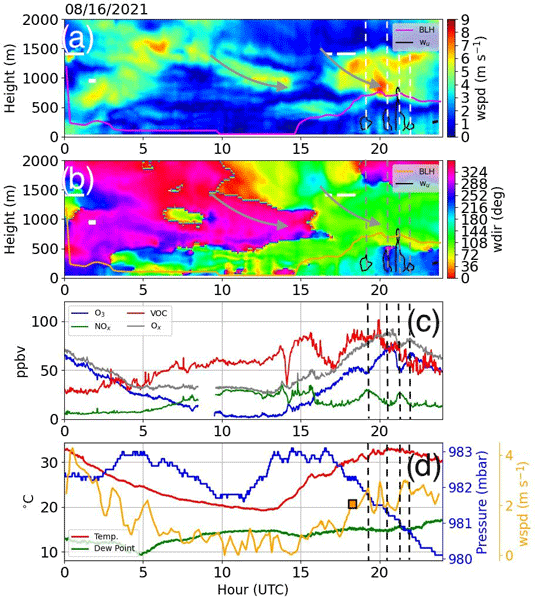
Edward J. Strobach, Sunil Baidar, Brian J. Carroll, Steven S. Brown, Kristen Zuraski, Matthew Coggon, Chelsea E. Stockwell, Lu Xu, Yelena L. Pichugina, W. Alan Brewer, Carsten Warneke, Jeff Peischl, Jessica Gilman, Brandi McCarty, Maxwell Holloway, and Richard Marchbanks
Atmos. Chem. Phys., 24, 9277–9307, https://doi.org/10.5194/acp-24-9277-2024, https://doi.org/10.5194/acp-24-9277-2024, 2024
Short summary
Short summary
Large-scale weather patterns are isolated from local patterns to study the impact that different weather scales have on air quality measurements. While impacts from large-scale meteorology were evaluated by separating ozone (O3) exceedance (>70 ppb) and non-exceedance (<70 ppb) days, we developed a technique that allows direct comparisons of small temporal variations between chemical and dynamics measurements under rapid dynamical transitions.
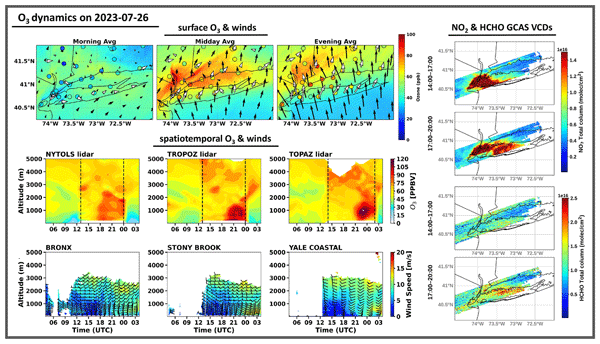
Claudia M. Bernier, Matthew S. Johnson, John Sullivan, Guillaume Gronoff, Daniel Phoenix, Fred Moshary, Raul Alvarez, Brandi McCarty, Andrew Langford, Christoph Senff, Sunil Baidar, and Laura Judd
Atmos. Chem. Phys., 26, 13795–13816, https://doi.org/10.5194/acp-26-13795-2026, https://doi.org/10.5194/acp-26-13795-2026, 2026
Short summary
Short summary
To investigate ozone pollution in a complex coastal urban environment, we combined NASA's Tropospheric Emissions: Monitoring of Pollution (TEMPO) satellite observations with aircraft, ground, and lidar measurements from the 2023 Synergistic TEMPO Air Quality Science (STAQS) campaign in the NYC–Long Island Sound region. We evaluated TEMPO's ability to capture ozone precursor variability and analyzed how meteorology and precursor transport drive day-to-day ozone changes.
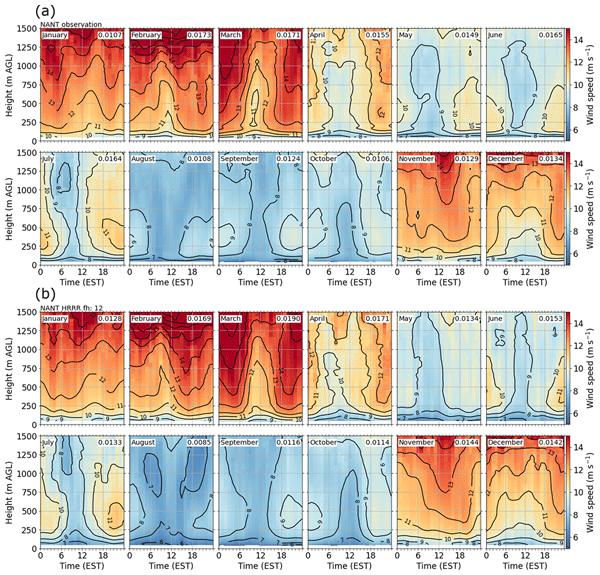
Bianca Adler, Laura Bianco, David D. Turner, Joseph Olson, Xia Sun, Joshua Gebauer, Nicola Bodini, Stefano Letizia, and James M. Wilczak
Geosci. Model Dev., 19, 8627–8649, https://doi.org/10.5194/gmd-19-8627-2026, https://doi.org/10.5194/gmd-19-8627-2026, 2026
Short summary
Short summary
Accurate operational forecasts of temperature and wind in the coastal marine boundary layer are important for a wide range of applications. Leveraging data that were collected along the United States northeast coast during a multi-year period for the Third Wind Forecast Improvement project, we investigated the performance of the operational forecast model and identified systematic errors in wind and temperature forecasts that are now being addressed by the model developers.
Nicola Bodini, Grant Buster, and David D. Turner
Earth Syst. Sci. Data Discuss., https://doi.org/10.5194/essd-2026-680, https://doi.org/10.5194/essd-2026-680, 2026
Preprint under review for ESSD
Short summary
Short summary
Alaska's power systems depend on weather, yet weather stations there are few and far between. We turned seven years of hourly output from a national weather forecast model into an easy-to-use record of wind and temperature across Alaska, and checked it against measurements from more than 150 sites. The data generally match observations well, and are freely available to support energy planning, resilient power grids, and artificial intelligence research in this remote region.
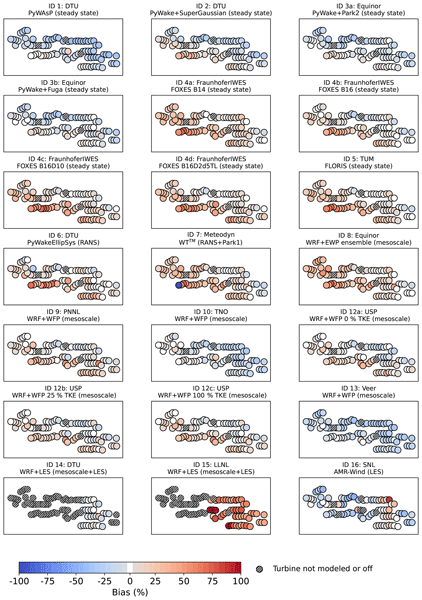
Nicola Bodini, Patrick Moriarty, Regis Thedin, Paula Doubrawa, Cristina Archer, Myra Blaylock, Carlo Bottasso, Bruno Carmo, Lawrence Cheung, Camille Dubreuil, Rogier Floors, Thomas Herges, Daniel Houck, Ali Kanjari, Colleen M. Kaul, Christopher Kelley, Ru Li, Julie K. Lundquist, Desirae Major, Anh Kiet Nguyen, Mike Optis, Luan R. C. Parada, Alfredo Peña, Julian Quick, David Ricarte, William C. Radünz, Raj K. Rai, Oscar García-Santiago, Jonas Schulte, Knut S. Seim, M. Paul van der Laan, Kisorthman Vimalakanthan, and Adam Wise
Wind Energ. Sci., 11, 3107–3135, https://doi.org/10.5194/wes-11-3107-2026, https://doi.org/10.5194/wes-11-3107-2026, 2026
Short summary
Short summary
Predicting wind farm energy production is challenging because wind patterns are complex. We tested 16 different models against real data from a major field experiment to see which worked best. Surprisingly, the most expensive and detailed models were not always more accurate than simpler ones. We found that feeding models better weather data was the most effective way to improve accuracy. These results help the industry choose the right tools for designing more-efficient wind farms.
Lindsay M. Sheridan, Raghavendra Krishnamurthy, Tien Manh Nguyen, Yi-Leng Chen, William I. Gustafson Jr., Ye Liu, Feng Hsiao, Rob K. Newsom, Preston Spicer, Evgueni Kassianov, Mikhail Pekour, Nicola Bodini, and Mark Severy
Wind Energ. Sci., 11, 2257–2285, https://doi.org/10.5194/wes-11-2257-2026, https://doi.org/10.5194/wes-11-2257-2026, 2026
Short summary
Short summary
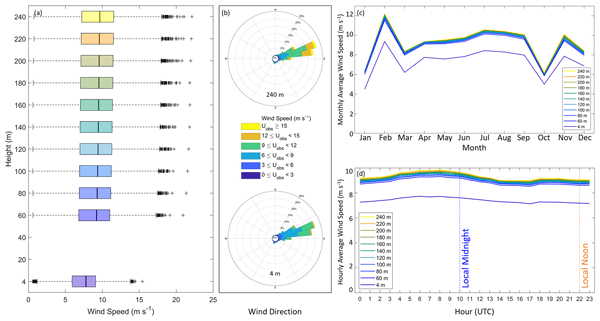
Wind simulations can contain significant errors, which can lead to inaccurate estimates of wind energy generation. Using observations from a floating lidar off Hawai'i, we hypothesize and establish that distinct simulation datasets will exhibit diverse ranges of errors in this offshore environment. The most commonly used simulation dataset produces the largest wind speed biases due to underestimation of fast wind speeds and misrepresentation of how wind speed varies throughout the day and night.
Nicola Bodini, Joseph Olson, Brian Gaudet, Giacomo Valerio Iungo, Mojtaba Shams Solari, Sayahnya Roy, Julie K. Lundquist, Nathan Agarwal, Timothy A. Myers, Bianca Adler, Jeffrey D. Mirocha, Eric James, Laura Bianco, James M. Wilczak, and David D. Turner
Wind Energ. Sci., 11, 1949–1961, https://doi.org/10.5194/wes-11-1949-2026, https://doi.org/10.5194/wes-11-1949-2026, 2026
Short summary
Short summary
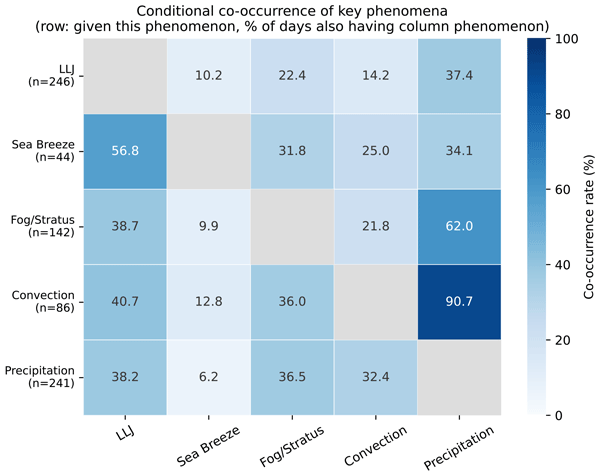
To improve offshore wind forecasts, the Third Wind Forecast Improvement Project monitored the United States east coast for 18 months. We compiled a daily log of weather events using advanced scanners and expert notes. This public dataset identifies important wind patterns, helping scientists test computer models and choose specific cases to study.
Aliza Abraham, Nicola Bodini, Nicholas Hamilton, Brian Hirth, John Schroeder, and Patrick Moriarty
Wind Energ. Sci. Discuss., https://doi.org/10.5194/wes-2026-82, https://doi.org/10.5194/wes-2026-82, 2026
Revised manuscript under review for WES
Short summary
Short summary
Thunderstorms can cause sudden changes in wind speed and direction called "wind ramps". While wind turbines are designed to withstand simplified versions of such wind ramps, this paper shows that real wind ramps are much more variable and complex than those prescribed in the design standard. This variability makes it difficult for wind farm operators to predict the conditions that each wind turbine will experience, adding uncertainty to the prediction of wind farm power.
Stefano Letizia, David D. Turner, Aliza Abraham, Luc Rochette, and Patrick J. Moriarty
Wind Energ. Sci., 11, 1653–1677, https://doi.org/10.5194/wes-11-1653-2026, https://doi.org/10.5194/wes-11-1653-2026, 2026
Short summary
Short summary
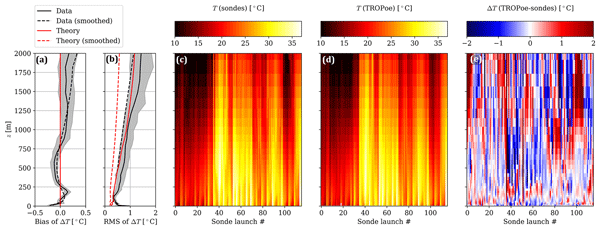
Characterizing the wind resource is much more than just measuring wind speeds. In fact, the physics of the atmosphere is governed by a complex interplay of different quantities, temperature being one of the most important. We used a new technology to remotely sense temperature profiles around wind farms at AWAKEN (American WAKE ExperimeNt). Here, we discuss the methodology and guide readers through a comprehensive, step-by-step validation effort to quantify the accuracy of temperature profiling for wind energy.
Nicola Bodini, Emina Maric, Ulrike Egerer, Grant Buster, Luke Lavin, Pavlo Pinchuk, Brandon Benton, and David D. Turner
Wind Energ. Sci. Discuss., https://doi.org/10.5194/wes-2026-67, https://doi.org/10.5194/wes-2026-67, 2026
Revised manuscript accepted for WES
Short summary
Short summary
To plan a reliable United States power grid, engineers need continuous weather data. Because the previous standard record ended in 2013, we created a new, easy-to-use weather database by repackaging complex weather forecasting models onto the same historical grid. We compared our data against real-world observations nationwide, finding it is highly accurate. This provides a seamless, reliable new standard to help plan the future of our national energy system.
Nicola Bodini, Aliza Abraham, Paula Doubrawa, Stefano Letizia, Julie K. Lundquist, Patrick Moriarty, and Ryan Scott
Wind Energ. Sci. Discuss., https://doi.org/10.5194/wes-2026-33, https://doi.org/10.5194/wes-2026-33, 2026
Revised manuscript accepted for WES
Short summary
Short summary
Wind turbines create "wakes" of slowed air that reduce power for nearby turbines. To help improve wind energy models, we analyzed data from a large field experiment. We focused on a single day with changing weather patterns. We found that even simple terrain features interacted with the wind to create large variations in power output – up to 80 percent – across a wind farm. This detailed dataset provides a real-world case needed to validate and improve wind energy design tools.

Anna Voss, Konrad B. Bärfuss, Beatriz Cañadillas, Maik Angermann, Mark Bitter, Matthias Cremer, Thomas Feuerle, Jonas Spoor, Julie K. Lundquist, Patrick Moriarty, and Astrid Lampert
Wind Energ. Sci., 11, 71–88, https://doi.org/10.5194/wes-11-71-2026, https://doi.org/10.5194/wes-11-71-2026, 2026
Short summary
Short summary
This study analyzes onshore wind farm wakes in a semi-complex terrain with data conducted with the research aircraft of TU Braunschweig during the American WAKE experimeNt (AWAKEN). Vertical profiles of temperature, humidity, and wind give insights into the stratification of the atmospheric boundary layer, while horizontal profiles downwind of wind farms reveal an amplification of the reduction in wind speed in a semi-complex terrain, in particular at a distance of 10 km.
Isabel L. McCoy, Sunil Baidar, Paquita Zuidema, Jan Kazil, W. Alan Brewer, Wayne M. Angevine, and Graham Feingold
Atmos. Chem. Phys., 25, 16233–16261, https://doi.org/10.5194/acp-25-16233-2025, https://doi.org/10.5194/acp-25-16233-2025, 2025
Short summary
Short summary
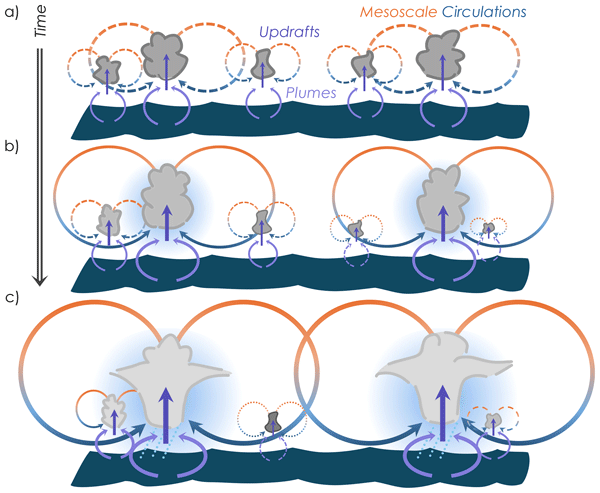
We use ship observations to investigate the dynamics of small clouds over the tropical oceans. When these cumulus clouds cluster together, they more efficiently move moisture into the cloud layer due to strengthened updrafts. This encourages further clustering, increases local cloud development success, and may help sustain clouds against diurnal variations in their environment. These results have implications for cumulus feedback on the climate, a significant uncertainty in future projections.
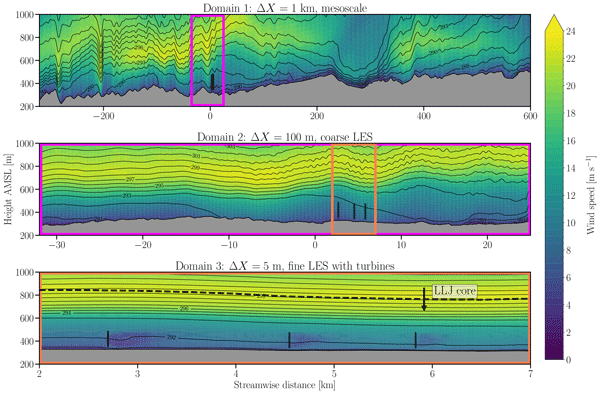
William C. Radünz, Bruno Carmo, Julie K. Lundquist, Stefano Letizia, Aliza Abraham, Adam S. Wise, Miguel Sanchez Gomez, Nicholas Hamilton, Raj K. Rai, and Pedro S. Peixoto
Wind Energ. Sci., 10, 2365–2393, https://doi.org/10.5194/wes-10-2365-2025, https://doi.org/10.5194/wes-10-2365-2025, 2025
Short summary
Short summary
We explore how simple terrain influences spatial variations in wind speed and wind farm performance during a low-level jet. Using simulations, field observations, and turbine production data, we find that downstream turbines produce more power than upstream ones, despite being subjected to wake effects. This counterintuitive result arises because the low-level jet and winds near turbine rotors are highly sensitive to topographic features, leading to stronger winds at the downstream turbines.
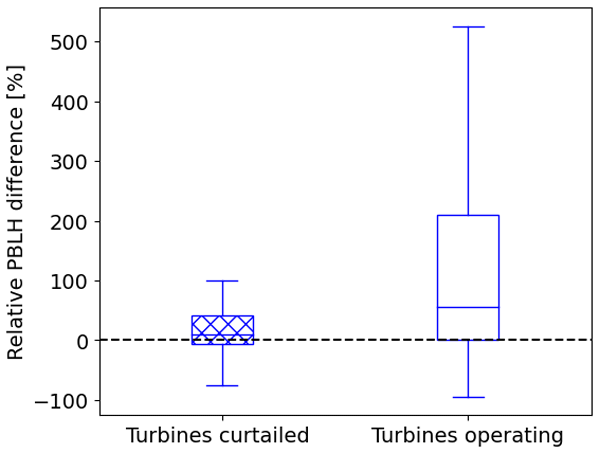
Aliza Abraham, Matteo Puccioni, Arianna Jordan, Emina Maric, Nicola Bodini, Nicholas Hamilton, Stefano Letizia, Petra M. Klein, Elizabeth N. Smith, Sonia Wharton, Jonathan Gero, Jamey D. Jacob, Raghavendra Krishnamurthy, Rob K. Newsom, Mikhail Pekour, William Radünz, and Patrick Moriarty
Wind Energ. Sci., 10, 1681–1705, https://doi.org/10.5194/wes-10-1681-2025, https://doi.org/10.5194/wes-10-1681-2025, 2025
Short summary
Short summary
This study is the first to use real-world atmospheric measurements to show that large wind plants can increase the height of the planetary boundary layer, the part of the atmosphere near the surface where life takes place. The planetary boundary layer height governs processes like pollutant transport and cloud formation and is a key parameter for modeling the atmosphere. The results of this study provide important insights into interactions between wind plants and their local environment.
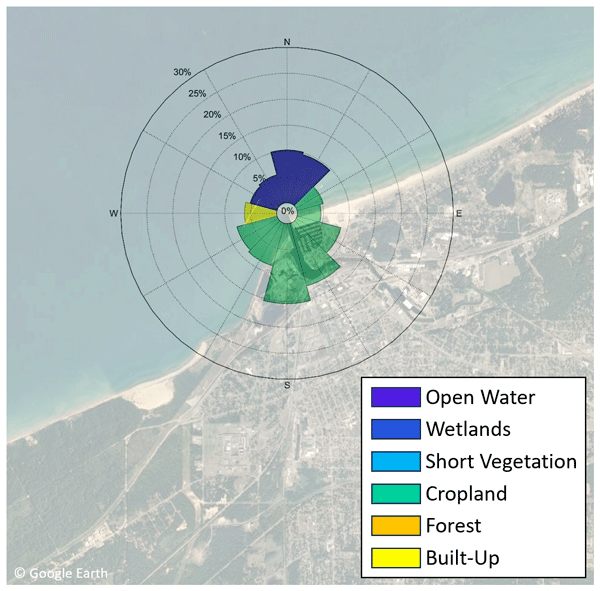
Lindsay M. Sheridan, Jiali Wang, Caroline Draxl, Nicola Bodini, Caleb Phillips, Dmitry Duplyakin, Heidi Tinnesand, Raj K. Rai, Julia E. Flaherty, Larry K. Berg, Chunyong Jung, Ethan Young, and Rao Kotamarthi
Wind Energ. Sci., 10, 1551–1574, https://doi.org/10.5194/wes-10-1551-2025, https://doi.org/10.5194/wes-10-1551-2025, 2025
Short summary
Short summary
Three recent wind resource datasets are assessed for their skills in representing annual average wind speeds and seasonal, diurnal, and interannual trends in the wind resource in coastal locations to support customers interested in small and midsize wind energy.
Daphne Quint, Julie K. Lundquist, Nicola Bodini, and David Rosencrans
Wind Energ. Sci., 10, 1269–1301, https://doi.org/10.5194/wes-10-1269-2025, https://doi.org/10.5194/wes-10-1269-2025, 2025
Short summary
Short summary
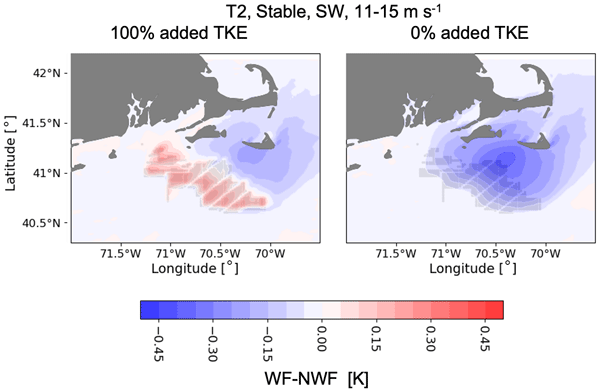
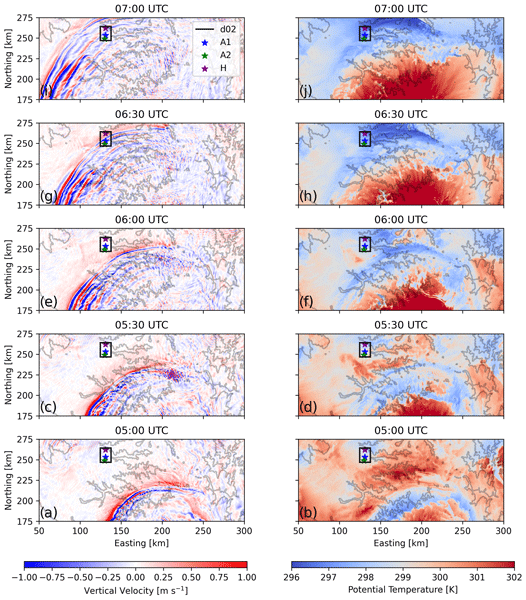
Offshore wind farms along the US East Coast can have limited effects on local weather. To study these effects, we include wind farms near Massachusetts and Rhode Island, and we test different amounts of turbulence in our model. We analyze changes in wind, temperature, and turbulence. Simulated effects on surface temperature and turbulence change depending on how much turbulence is added to the model. The extent of the wind farm wake depends on how deep the atmospheric boundary layer is.
Adam S. Wise, Robert S. Arthur, Aliza Abraham, Sonia Wharton, Raghavendra Krishnamurthy, Rob Newsom, Brian Hirth, John Schroeder, Patrick Moriarty, and Fotini K. Chow
Wind Energ. Sci., 10, 1007–1032, https://doi.org/10.5194/wes-10-1007-2025, https://doi.org/10.5194/wes-10-1007-2025, 2025
Short summary
Short summary
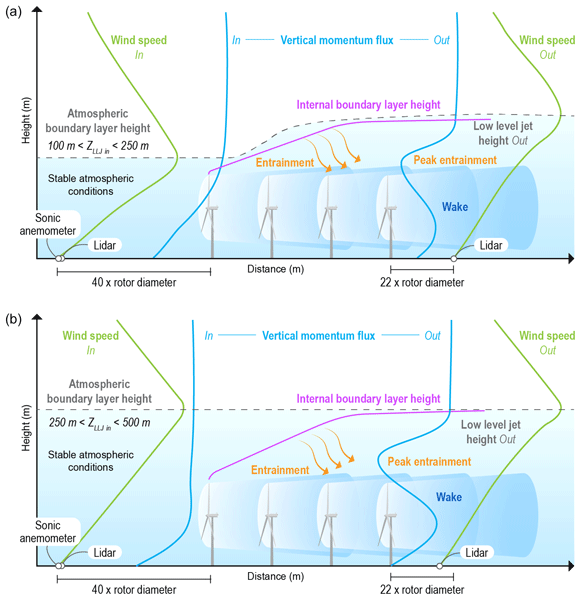
Wind farms can be subject to rapidly changing weather events. In the United States Great Plains, some of these weather events can result in waves in the atmosphere that ultimately affect how much power a wind farm can produce. We modeled a specific event of waves observed in Oklahoma. We determined how to accurately model the event and analyzed how it affected a wind farm’s power production, finding that the waves both decreased power and made it more variable.
Raghavendra Krishnamurthy, Rob K. Newsom, Colleen M. Kaul, Stefano Letizia, Mikhail Pekour, Nicholas Hamilton, Duli Chand, Donna Flynn, Nicola Bodini, and Patrick Moriarty
Wind Energ. Sci., 10, 361–380, https://doi.org/10.5194/wes-10-361-2025, https://doi.org/10.5194/wes-10-361-2025, 2025
Short summary
Short summary
This study examines how atmospheric phenomena affect the recovery of wind farm wake – the disturbed air behind turbines. In regions like Oklahoma, where wind farms are often clustered, understanding wake recovery is crucial. We found that wind farms can alter phenomena like low-level jets, which are common in Oklahoma, by deflecting them above the wind farm. As a result, the impact of wakes can be observed up to 1–2 km above ground level.
Chelsea E. Stockwell, Matthew M. Coggon, Rebecca H. Schwantes, Colin Harkins, Bert Verreyken, Congmeng Lyu, Qindan Zhu, Lu Xu, Jessica B. Gilman, Aaron Lamplugh, Jeff Peischl, Michael A. Robinson, Patrick R. Veres, Meng Li, Andrew W. Rollins, Kristen Zuraski, Sunil Baidar, Shang Liu, Toshihiro Kuwayama, Steven S. Brown, Brian C. McDonald, and Carsten Warneke
Atmos. Chem. Phys., 25, 1121–1143, https://doi.org/10.5194/acp-25-1121-2025, https://doi.org/10.5194/acp-25-1121-2025, 2025
Short summary
Short summary
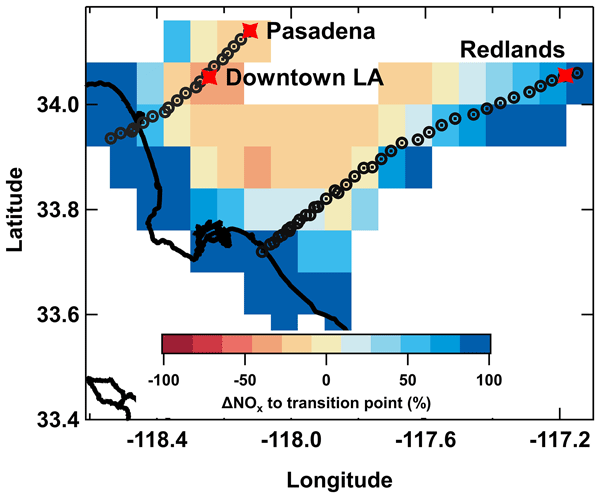
In urban areas, emissions from everyday products like paints, cleaners, and personal care products, along with non-traditional sources such as cooking, are increasingly important and impact air quality. This study uses a box model to evaluate how these emissions impact ozone in the Los Angeles Basin and quantifies the impact of gaseous cooking emissions. Accurate representation of these and other anthropogenic sources in inventories is crucial for informing effective air quality policies.
David Rosencrans, Julie K. Lundquist, Mike Optis, and Nicola Bodini
Wind Energ. Sci., 10, 59–81, https://doi.org/10.5194/wes-10-59-2025, https://doi.org/10.5194/wes-10-59-2025, 2025
Short summary
Short summary
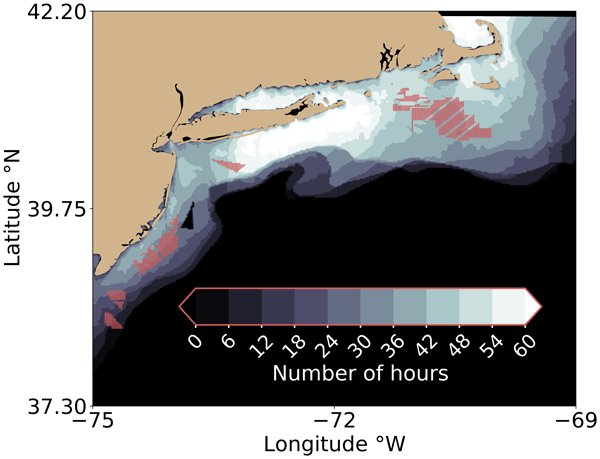
The US offshore wind industry is growing rapidly. Expansion into cold climates will subject turbines and personnel to hazardous icing. We analyze the 21-year icing risk for US east coast wind areas based on numerical weather prediction simulations and further assess impacts from wind farm wakes over one winter season. Sea spray icing at 10 m can occur up to 67 h per month. However, turbine–atmosphere interactions reduce icing hours within wind plant areas.

Majid Bastankhah, Marcus Becker, Matthew Churchfield, Caroline Draxl, Jay Prakash Goit, Mehtab Khan, Luis A. Martinez Tossas, Johan Meyers, Patrick Moriarty, Wim Munters, Asim Önder, Sara Porchetta, Eliot Quon, Ishaan Sood, Nicole van Lipzig, Jan-Willem van Wingerden, Paul Veers, and Simon Watson
Wind Energ. Sci., 9, 2171–2174, https://doi.org/10.5194/wes-9-2171-2024, https://doi.org/10.5194/wes-9-2171-2024, 2024
Short summary
Short summary
Dries Allaerts was born on 19 May 1989 and passed away at his home in Wezemaal, Belgium, on 10 October 2024 after battling cancer. Dries started his wind energy career in 2012 and had a profound impact afterward on the community, in terms of both his scientific realizations and his many friendships and collaborations in the field. His scientific acumen, open spirit of collaboration, positive attitude towards life, and playful and often cheeky sense of humor will be deeply missed by many.
Andrew O. Langford, Raul J. Alvarez II, Kenneth C. Aikin, Sunil Baidar, W. Alan Brewer, Steven S. Brown, Matthew M. Coggan, Patrick D. Cullis, Jessica Gilman, Georgios I. Gkatzelis, Detlev Helmig, Bryan J. Johnson, K. Emma Knowland, Rajesh Kumar, Aaron D. Lamplugh, Audra McClure-Begley, Brandi J. McCarty, Ann M. Middlebrook, Gabriele Pfister, Jeff Peischl, Irina Petropavlovskikh, Pamela S. Rickley, Andrew W. Rollins, Scott P. Sandberg, Christoph J. Senff, and Carsten Warneke
EGUsphere, https://doi.org/10.5194/egusphere-2024-1938, https://doi.org/10.5194/egusphere-2024-1938, 2024
Preprint withdrawn
Short summary
Short summary
High ozone (O3) formed by reactions of nitrogen oxides (NOx) and volatile organic compounds (VOCs) can harm human health and welfare. High O3 is usually associated with hot summer days, but under certain conditions, high O3 can also form under winter conditions. In this study, we describe a high O3 event that occurred in Colorado during the COVID-19 quarantine that was caused in part by the decrease in traffic, and in part by a shallow inversion created by descent of stratospheric air.
Edward J. Strobach, Sunil Baidar, Brian J. Carroll, Steven S. Brown, Kristen Zuraski, Matthew Coggon, Chelsea E. Stockwell, Lu Xu, Yelena L. Pichugina, W. Alan Brewer, Carsten Warneke, Jeff Peischl, Jessica Gilman, Brandi McCarty, Maxwell Holloway, and Richard Marchbanks
Atmos. Chem. Phys., 24, 9277–9307, https://doi.org/10.5194/acp-24-9277-2024, https://doi.org/10.5194/acp-24-9277-2024, 2024
Short summary
Short summary
Large-scale weather patterns are isolated from local patterns to study the impact that different weather scales have on air quality measurements. While impacts from large-scale meteorology were evaluated by separating ozone (O3) exceedance (>70 ppb) and non-exceedance (<70 ppb) days, we developed a technique that allows direct comparisons of small temporal variations between chemical and dynamics measurements under rapid dynamical transitions.
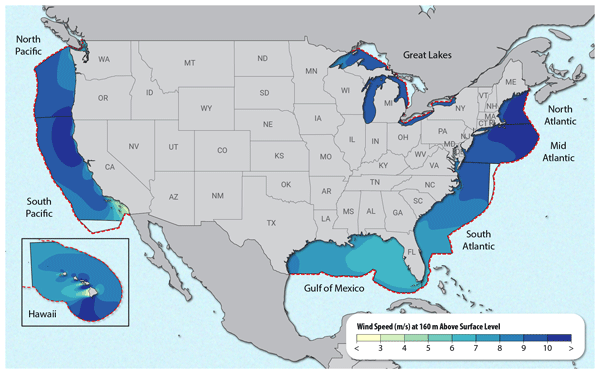
Nicola Bodini, Mike Optis, Stephanie Redfern, David Rosencrans, Alex Rybchuk, Julie K. Lundquist, Vincent Pronk, Simon Castagneri, Avi Purkayastha, Caroline Draxl, Raghavendra Krishnamurthy, Ethan Young, Billy Roberts, Evan Rosenlieb, and Walter Musial
Earth Syst. Sci. Data, 16, 1965–2006, https://doi.org/10.5194/essd-16-1965-2024, https://doi.org/10.5194/essd-16-1965-2024, 2024
Short summary
Short summary
This article presents the 2023 National Offshore Wind data set (NOW-23), an updated resource for offshore wind information in the US. It replaces the Wind Integration National Dataset (WIND) Toolkit, offering improved accuracy through advanced weather prediction models. The data underwent regional tuning and validation and can be accessed at no cost.
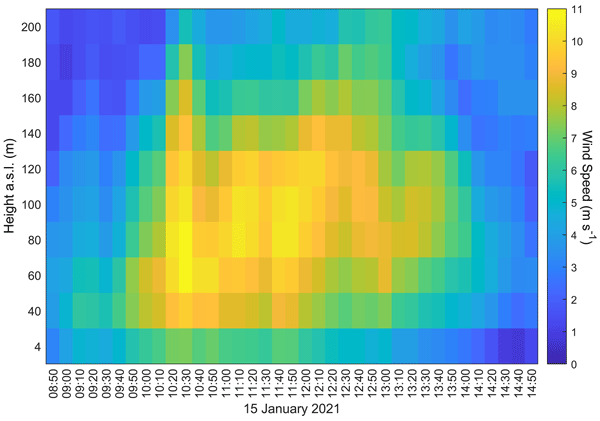
Lindsay M. Sheridan, Raghavendra Krishnamurthy, William I. Gustafson Jr., Ye Liu, Brian J. Gaudet, Nicola Bodini, Rob K. Newsom, and Mikhail Pekour
Wind Energ. Sci., 9, 741–758, https://doi.org/10.5194/wes-9-741-2024, https://doi.org/10.5194/wes-9-741-2024, 2024
Short summary
Short summary
In 2020, lidar-mounted buoys owned by the US Department of Energy (DOE) were deployed off the California coast in two wind energy lease areas and provided valuable year-long analyses of offshore low-level jet (LLJ) characteristics at heights relevant to wind turbines. In addition to the LLJ climatology, this work provides validation of LLJ representation in atmospheric models that are essential for assessing the potential energy yield of offshore wind farms.
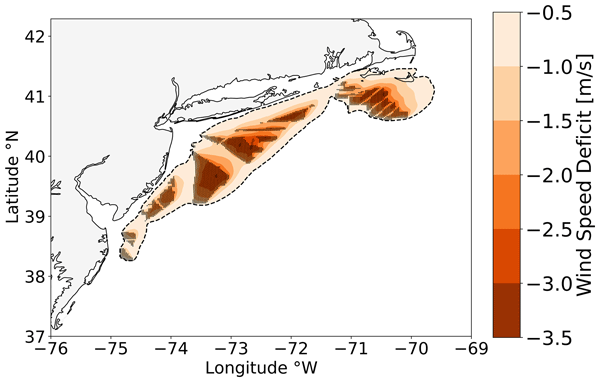
David Rosencrans, Julie K. Lundquist, Mike Optis, Alex Rybchuk, Nicola Bodini, and Michael Rossol
Wind Energ. Sci., 9, 555–583, https://doi.org/10.5194/wes-9-555-2024, https://doi.org/10.5194/wes-9-555-2024, 2024
Short summary
Short summary
The US offshore wind industry is developing rapidly. Using yearlong simulations of wind plants in the US mid-Atlantic, we assess the impacts of wind turbine wakes. While wakes are the strongest and longest during summertime stably stratified conditions, when New England grid demand peaks, they are predictable and thus manageable. Over a year, wakes reduce power output by over 35 %. Wakes in a wind plant contribute the most to that reduction, while wakes between wind plants play a secondary role.
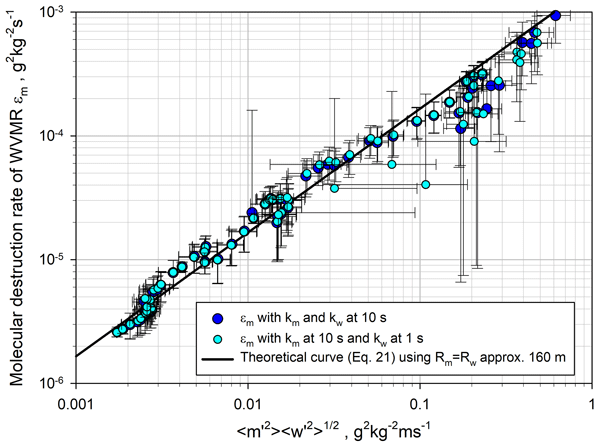
Volker Wulfmeyer, Christoph Senff, Florian Späth, Andreas Behrendt, Diego Lange, Robert M. Banta, W. Alan Brewer, Andreas Wieser, and David D. Turner
Atmos. Meas. Tech., 17, 1175–1196, https://doi.org/10.5194/amt-17-1175-2024, https://doi.org/10.5194/amt-17-1175-2024, 2024
Short summary
Short summary
A simultaneous deployment of Doppler, temperature, and water-vapor lidar systems is used to provide profiles of molecular destruction rates and turbulent kinetic energy (TKE) dissipation in the convective boundary layer (CBL). The results can be used for the parameterization of turbulent variables, TKE budget analyses, and the verification of weather forecast and climate models.
Sunil Baidar, Timothy J. Wagner, David D. Turner, and W. Alan Brewer
Atmos. Meas. Tech., 16, 3715–3726, https://doi.org/10.5194/amt-16-3715-2023, https://doi.org/10.5194/amt-16-3715-2023, 2023
Short summary
Short summary
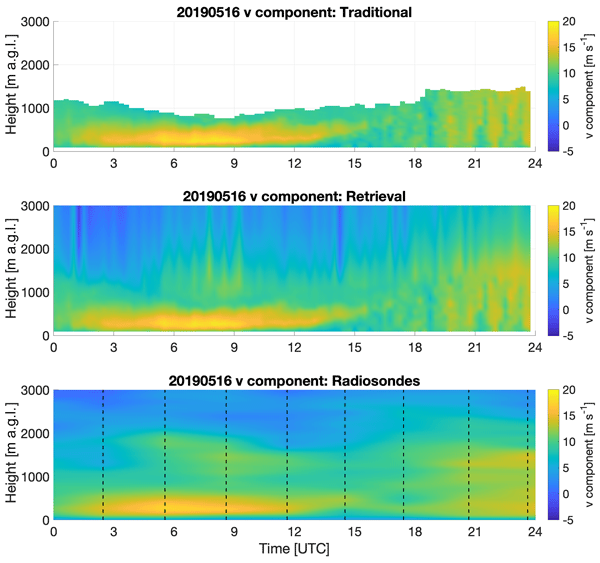
This paper provides a new method to retrieve wind profiles from coherent Doppler lidar (CDL) measurements. It takes advantage of layer-to-layer correlation in wind profiles to provide continuous profiles of up to 3 km by filling in the gaps where the CDL signal is too small to retrieve reliable results by itself. Comparison with the current method and collocated radiosonde wind measurements showed excellent agreement with no degradation in results where the current method gives valid results.
Paul Veers, Carlo L. Bottasso, Lance Manuel, Jonathan Naughton, Lucy Pao, Joshua Paquette, Amy Robertson, Michael Robinson, Shreyas Ananthan, Thanasis Barlas, Alessandro Bianchini, Henrik Bredmose, Sergio González Horcas, Jonathan Keller, Helge Aagaard Madsen, James Manwell, Patrick Moriarty, Stephen Nolet, and Jennifer Rinker
Wind Energ. Sci., 8, 1071–1131, https://doi.org/10.5194/wes-8-1071-2023, https://doi.org/10.5194/wes-8-1071-2023, 2023
Short summary
Short summary
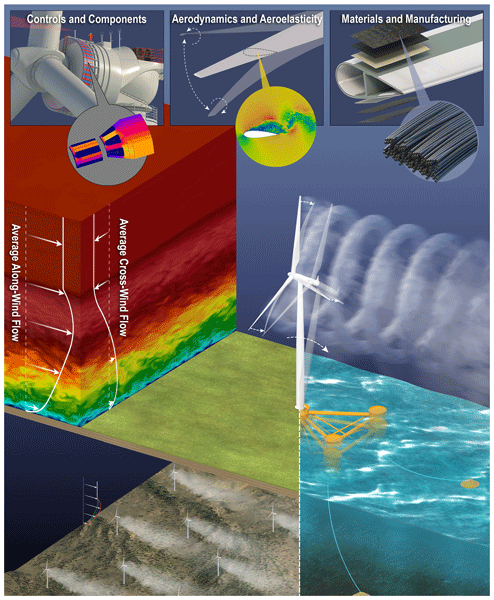
Critical unknowns in the design, manufacturing, and operation of future wind turbine and wind plant systems are articulated, and key research activities are recommended.
Nicola Bodini, Simon Castagneri, and Mike Optis
Wind Energ. Sci., 8, 607–620, https://doi.org/10.5194/wes-8-607-2023, https://doi.org/10.5194/wes-8-607-2023, 2023
Short summary
Short summary
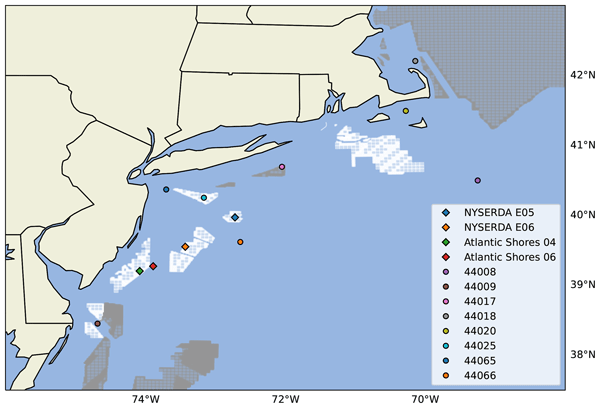
The National Renewable Energy Laboratory (NREL) has published updated maps of the wind resource along all US coasts. Given the upcoming offshore wind development, it is essential to quantify the uncertainty that comes with the modeled wind resource data set. The paper proposes a novel approach to quantify this numerical uncertainty by leveraging available observations along the US East Coast.
Alex Rybchuk, Timothy W. Juliano, Julie K. Lundquist, David Rosencrans, Nicola Bodini, and Mike Optis
Wind Energ. Sci., 7, 2085–2098, https://doi.org/10.5194/wes-7-2085-2022, https://doi.org/10.5194/wes-7-2085-2022, 2022
Short summary
Short summary
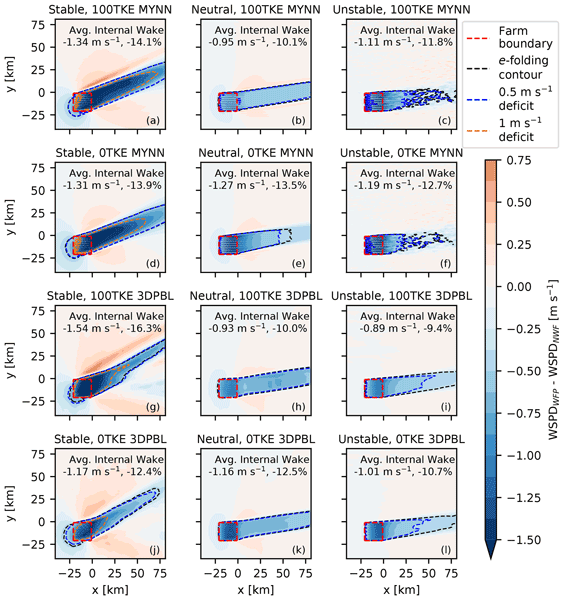
Numerical weather prediction models are used to predict how wind turbines will interact with the atmosphere. Here, we characterize the uncertainty associated with the choice of turbulence parameterization on modeled wakes. We find that simulated wind speed deficits in turbine wakes can be significantly sensitive to the choice of turbulence parameterization. As such, predictions of future generated power are also sensitive to turbulence parameterization choice.
Emmanouil M. Nanos, Carlo L. Bottasso, Filippo Campagnolo, Franz Mühle, Stefano Letizia, G. Valerio Iungo, and Mario A. Rotea
Wind Energ. Sci., 7, 1263–1287, https://doi.org/10.5194/wes-7-1263-2022, https://doi.org/10.5194/wes-7-1263-2022, 2022
Short summary
Short summary
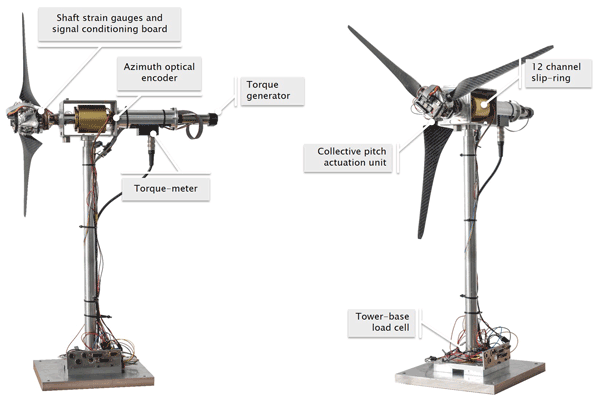
The paper describes the design of a scaled wind turbine in detail, for studying wakes and wake control applications in the known, controllable and repeatable conditions of a wind tunnel. The scaled model is characterized by conducting experiments in two wind tunnels, in different conditions, using different measurement equipment. Results are also compared to predictions obtained with models of various fidelity. The analysis indicates that the model fully satisfies the initial requirements.
Vincent Pronk, Nicola Bodini, Mike Optis, Julie K. Lundquist, Patrick Moriarty, Caroline Draxl, Avi Purkayastha, and Ethan Young
Wind Energ. Sci., 7, 487–504, https://doi.org/10.5194/wes-7-487-2022, https://doi.org/10.5194/wes-7-487-2022, 2022
Short summary
Short summary
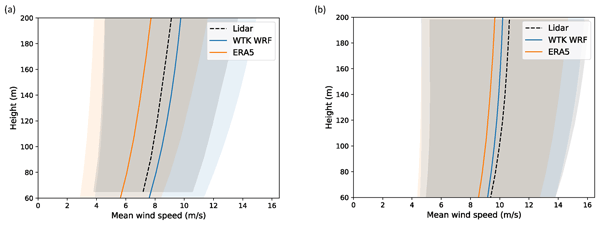
In this paper, we have assessed to which extent mesoscale numerical weather prediction models are more accurate than state-of-the-art reanalysis products in characterizing the wind resource at heights of interest for wind energy. The conclusions of our work will be of primary importance to the wind industry for recommending the best data sources for wind resource modeling.
Andrew O. Langford, Christoph J. Senff, Raul J. Alvarez II, Ken C. Aikin, Sunil Baidar, Timothy A. Bonin, W. Alan Brewer, Jerome Brioude, Steven S. Brown, Joel D. Burley, Dani J. Caputi, Stephen A. Conley, Patrick D. Cullis, Zachary C. J. Decker, Stéphanie Evan, Guillaume Kirgis, Meiyun Lin, Mariusz Pagowski, Jeff Peischl, Irina Petropavlovskikh, R. Bradley Pierce, Thomas B. Ryerson, Scott P. Sandberg, Chance W. Sterling, Ann M. Weickmann, and Li Zhang
Atmos. Chem. Phys., 22, 1707–1737, https://doi.org/10.5194/acp-22-1707-2022, https://doi.org/10.5194/acp-22-1707-2022, 2022
Short summary
Short summary
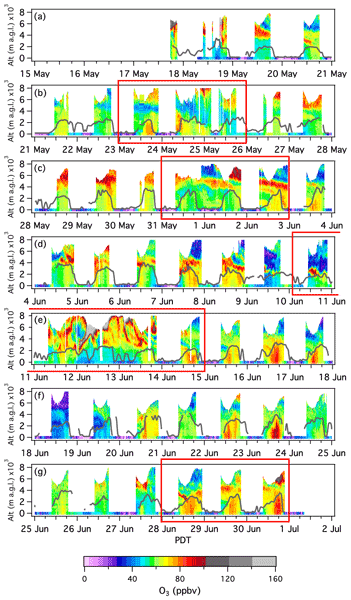
The Fires, Asian, and Stratospheric Transport–Las Vegas Ozone Study (FAST-LVOS) combined lidar, aircraft, and in situ measurements with global models to investigate the contributions of stratospheric intrusions, regional and Asian pollution, and wildfires to background ozone in the southwestern US during May and June 2017 and demonstrated that these processes contributed to background ozone levels that exceeded 70 % of the US National Ambient Air Quality Standard during the 6-week campaign.
Nicola Bodini, Weiming Hu, Mike Optis, Guido Cervone, and Stefano Alessandrini
Wind Energ. Sci., 6, 1363–1377, https://doi.org/10.5194/wes-6-1363-2021, https://doi.org/10.5194/wes-6-1363-2021, 2021
Short summary
Short summary
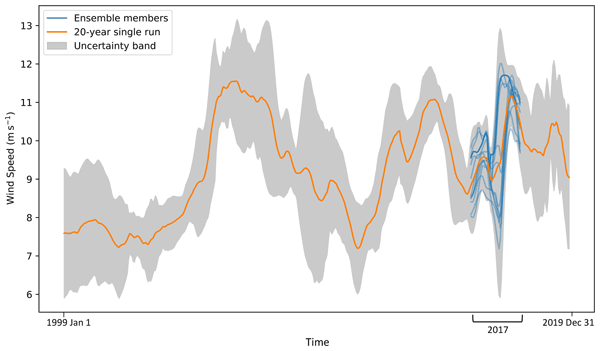
We develop two machine-learning-based approaches to temporally extrapolate uncertainty in hub-height wind speed modeled by a numerical weather prediction model. We test our approaches in the California Outer Continental Shelf, where a significant offshore wind energy development is currently being planned, and we find that both provide accurate results.
Cited articles
Aitken, M. L., Lundquist, J. K., Banta, R. M., and Pichugina, Y. L.: Quantifying wind turbine wake characteristics from scanning remote sensor data, J. Atmos. Ocean. Tech., 31, 765–787, https://doi.org/10.1175/JTECH-D-13-00104.1, 2014.
Banta, R. M., Newsom, R.,K., Lundquist, J. K., Pichugina, Y. L., Coulter, R. L., and Mahrt, L.: Nocturnal low-level jet characteristics over Kansas during CASES-99, Bound.-Lay. Meteorol., 105, 221–252, https://doi.org/10.1023/A:1019992330866, 2002.
Banta, R. M., Pichugina, Y. P., and Newsom, R. K.: Relationship between low-level jet properties and turbulence kinetic energy in the nocturnal stable boundary layer, J. Atmos. Sci., 60, 2549–2555, https://doi.org/10.1175/1520-0469(2003)060<2549:RBLJPA>2.0.CO;2, 2003.
Banta, R. M., Pichugina, Y. L., and Brewer, W. A.: Turbulent Velocity-Variance Profiles in the Stable Boundary Layer Generated by a Nocturnal Low-Level Jet, J. Atmos. Sci., 63, 2700–2719, https://doi.org/10.1175/JAS3776.1, 2006.
Banta, R. M., Pichugina, Y. L., Kelley, N. D., Brewer, W. A., and Hardesty, R. M.: Wind-energy meteorology: Insight into wind properties in the turbine rotor layer of the atmosphere from high-resolution Doppler lidar, B. Am. Meteorol. Soc., 94, 883–902, https://doi.org/10.1175/BAMS-D-11-00057.1, 2013a.
Banta, R. M., Shun, C. M., Law, D. C., Brown, W., Reinking, R. F., Hardesty, R. M., Senff, C. J., Brewer, W. A., Post, M. J., and Darby, L. S. Observational Techniques: Sampling the Mountain Atmosphere, in: Mountain Weather Research and Forecasting, edited by: Chow, F., De Wekker, S., and Snyder, B., Springer Atmospheric Sciences, Springer, Dordrecht, https://doi.org/10.1007/978-94-007-4098-3_8, 2013b.
Banta, R. M., Pichugina, Y. L., Brewer, W. A., Lundquist, J. K., Kelley, N. D, Sandberg, S. P., Alvarez, R. J., Hardesty, R. M., and Weickmann, A. M.: 3-D volumetric analysis of wind-turbine wake properties in the atmosphere using high-resolution Doppler lidar, J. Atmos. Ocean. Tech., 32, 904–914, https://doi.org/10.1175/JTECH-D-14-00078.1, 2015.
Banta, R. M., Pichugina, Y. L., Brewer, W. A., James, E. P., Olson, J. B., Benjamin, S. G., Carley, J. R., Bianco, L., Djalalova, I. V., Wilczak, J. M., Hardesty, M. R., Cline, J., and Marquis, M. C.: Evaluating and Improving NWP Forecast Models for the Future: How the Needs of Offshore Wind Energy Can Point the Way, B. Am. Meteorol. Soc., 99, 1155–1176, https://doi.org/10.1175/BAMS-D-16-0310.1, 2018.
Banta, R. M., Pichugina, Y. L., Brewer, W. A., Balmes, K. A., Adler, B., Sedlar, J., Darby L. S., Turner, D. D., Kenyon, J. S., Strobach, E. J., Carroll, B. J., Sharp, J., Stoelinga, M. T., Cline, J., and Fernando, H. J. S.: Measurements and model improvement: Insight into NWP model error using Doppler lidar and other WFIP2 measurement systems, Mon. Weather Rev., 152, 3063–3087, https://doi.org/10.1175/MWR-D-23-0069.1, 2023.
Bingöl, F., Mann, J., and Larsen, G.: Light detection and ranging measurements of wake dynamics. Part I: One-dimensional scanning, Wind Energy, 13, 51–61, https://doi.org/10.1002/we.352, 2010.
Bodini, N., Abraham, A., Doubrawa, P., Letizia, S., Thedin, R., Agarwal, N., Carmo, B., Cheung, L., Correa Radunz, W., Gupta, A., Goldberger, L., Hamilton, N., Herges, T., Hirth, B., Iungo, G. V., Jordan, A., Kaul, C., Klein, P., Krishnamurthy, R., Lundquist, J. K., Maric, E., Moriarty, P., Moss, C., Newsom, R., Pichugina, Y., Puccioni, M., Quon, E., Roy, S., Rosencrans, D., Sanchez Gomez, M., Scott, R., Shams Solari, M., Taylor, T. J., and Wharton, S.: An International Benchmark for Wind Plant Wakes from the American WAKE ExperimeNt (AWAKEN), Article No. 092034, J. Phys. Conf. Ser., 2767, https://doi.org/10.1088/1742-6596/2767/9/092034, 2024.
Bonin, T. A., Carroll, B. J., Hardesty, R. M., Brewer, W., A., Hajny, K., Salmon, O. E., and Shepson, P. B.: Doppler Lidar Observations of the Mixing Height in Indianapolis Using an Automated Composite Fuzzy Logic Approach, J. Atmos. Ocean. Tech., 35, 473–490, https://doi.org/10.1175/JTECH-D-17-0159.1, 2018.
Brewer, W. A. and Hardesty, R. M.: Development of a dual wavelength CO2 mini-MOPA Doppler lidar, Proc. Coherent Laser Radar Conf., Massachusetts, MA, Optical Society of America, 293–296, 1995.
Browning, K. A. and Wexler. R.: The Determination of Kinematic Properties of a Wind Field Using Doppler Radar, J. Appl. Meteor., 7, 105–113, https://doi.org/10.1175/1520-0450(1968)007<0105:TDOKPO>2.0.CO;2, 1968.
Carroll, B. J., Demoz, B. B., and Delgado, R.: An overview of low-level jet winds and corresponding mixed layer depths during PECAN. J. Geophys. Res., 124, 9141–9160, https://doi.org/10.1029/2019JD030658, 2019.
Carroll, B. J., Brewer, W. A., Strobach, E., Lareau, N., Brown, S. S., Valero, M. M., Kochanski, A., Clements, C. B., Kahn, R., Junghenn Noyes, K. T., Makowiecki, A., Holloway, M. W., Zucker, M., Clough, K., Drucker, J., Zuraski, K., Peischl, J., McCarty, B., Marchbanks, R., Sandberg, S., Baidar, S., Pichugina, Y. L., Banta, R. M., Wang, S., Klofas, A., Winters, B., and Salas, T.: Measuring Coupled Fire–Atmosphere Dynamics: The California Fire Dynamics Experiment (CalFiDE), B. Am. Meteorol. Soc., 105, https://doi.org/10.1175/BAMS-D-23-0012.1, 2024.
Debnath, M., Scholbrock, A., Zalkind, D., Moriarty, P., Simley, E., Hamilton, N., Ivanov, C., Arthur, R., Barthelmie, R., Bodini, N., Brewer, W. A., Goldberger, L., Herges, T., Hirth, B., Iungo, G., Jager, D., Kaul, C., Klein, P., Krishnamurthy, R., and Wharton, S.: Design of the American Wake Experiment (AWAKEN) Field Campaign, J. Physics: Conf. Ser., 2265, 022058, https://doi.org/10.1088/1742-6596/2265/2/022058, 2022.
Debnath, M., Moriarty, P., Krishnamurthy, R., Bodini, N., Newsom, R., Quon, E., Lundquist, J., Letizia, S., Iungo, G., and Klein, P.: Characterization of wind speed and directional shear at the AWAKEN field campaign site, J. Renewable and Sustainable Energy, 15, https://doi.org/10.1063/5.0139737, 2023.
Djalalova, I., Olson, J., Carley, J., Bianco, L., Wilczak, J., Pichugina, Y., Banta, R., Marquis, M., and Cline, J.: The POWER experiment: Impact of assimilation of a network of coastal wind profiling radars on simulating offshore winds in and above the wind turbine layer, Weather Forecast., 31, 1071–1091, https://doi.org/10.1175/WAF-D-15-0104.1, 2016.
Geerts, B., Parsons, D., Ziegler, C. L., Weckwerth, T. M., Biggerstaff, M. I., Clark, R. D., Coniglio, M. C., Demoz, B. B., Ferrare, R. A., Gallus Jr, W. A., Haghi, K., Hanesiak, J. M., Klein, P. M., Knupp, K. R., Kosiba, K., McFarquhar, G. M., Moore, J. A., Nehrir, A. R., Parker, M. D., Pinto, J. O., Rauber, R. M., Schumacher, R. S., Turner, D. D. , Wang, Q., Wang, X., Wang, Z., and Wurman, J.: The 2015 plains elevated convection at night field project, B. Am. Meteorol. Soc., 98, 767–786, https://doi.org/10.1175/BAMS-D-15-00257.1, 2017.
Grund, C. J., Banta, R. M., George, J. L., Howell, J. N., Post, M. J., Richter, R. A., and Weickmann, A. M.: High-Resolution Doppler Lidar for Boundary-Layer and Cloud Research, J. Atmos. Ocean. Tech., 18, 376–393, https://doi.org/10.1175/1520-0426(2001)018<0376:HRDLFB>2.0.CO;2, 2001.
Krishnamurthy, R., Newsom, R. K., Chand, D., and Shaw, W. J.: Boundary Layer Climatology at ARM Southern Great Plains, PNNL-30832, Richland, WA, Pacific Northwest National Laboratory, https://doi.org/10.2172/1778833, 2021.
Krishnamurthy, R., Newsom, R. K., Kaul, C. M., Letizia, S., Pekour, M., Hamilton, N., Chand, D., Flynn, D., Bodini, N., and Moriarty, P.: Observations of wind farm wake recovery at an operating wind farm, Wind Energ. Sci., 10, 361–380, https://doi.org/10.5194/wes-10-361-2025, 2025.
Letizia, S., Bodini, N., Brugger, P., Scholbrock, A., Hamilton, N., Porté-Agel, F., Doubrawa, P., and Moriarty, P.: Holistic scan optimization of nacelle-mounted lidars for inflow and wake characterization at the RAAW and AWAKEN field campaigns, J. Phys. Conf. Ser., 2505, 012048, IOP Publishing, https://doi.org/10.1088/1742-6596/2505/1/012048, 2023.
McAuliffe, M., Emmitt, D., Greco, S., and De Wekker, S.: Observing boundary layer winds from a mobile wind lidar, 11th Symposium on Lidar Atmospheric Applications, 12 January 2021, Am. Meteor. Soc., 2021.
Meneveau, C.: The top-down model of wind farm boundary layers and its applications, J. Turbulence, 13, https://doi.org/10.1080/14685248.2012.663092, 2012.
Michaud-Belleau, V., Gaudreau, M., Lacoursière, J., Boisvert, É., Ravelomanantsoa, L., Turner, D. D., and Rochette, L.: The Atmospheric Sounder Spectrometer by Infrared Spectral Technology (ASSIST): instrument design and signal processing, Atmos. Meas. Tech., 18, 3585–3609, https://doi.org/10.5194/amt-18-3585-2025, 2025.
Moriarty, P., Bodini, N., Letizia, S., Abraham, A., Ashley, T., Barfuss, K., Barthelmie, R., Brewer, W. A., Brugger, P., Feuerle, T., Frere, A., Goldberger, L., Gottschall, J., Hamilton, N., Herges, T., Hirth, B., Hung, L.-Y., Iungo, G. V., Ivanov, H., Kaul, C., Kern, S., Klein, P., Krishnamurthy, R., Lampert, A., Lundquist, J.K., Morris, V. R., Newsom, R., Pekour, M., Pichugina, Y. L., Porté-Angel, F., Pryor, S. C., Scholbrock, A., Schroeder, J., Shartzer, S., Simley, E., Vöhringer, L., Wharton, S., and Zalkind, D.: Overview of Preparation for the American WAKE ExperimeNt (AWAKEN), J. Renewable and Sustainable Energy, 16, https://doi.org/10.1063/5.0141683, 2024.
Newsom, R. K. and Krishnamurthy R.: Doppler Lidar (DL) Instrument Handbook, DOE/SC-ARM-TR-101, https://doi.org/10.2172/1034640, 2020.
Olson, J. B., Djalalova, I., Bianco, L., Turner, D. D., Pichugina Y. L., Choukulkar, A., Toy, M. D., Brown, J. M., Angevine, W. M., Akish, E., Bao, J-W., Jimenez, P., Kosovic, B., Lundquist, K. A., Draxl, C., Lundquist, J. K., McCaa, J., McCaffrey, K., Lantz, K., Long, C., Wilczak, J., Banta, R., Marquis, M., Redfern, S., Berg, L. K., Shaw, W., and Cline, J.: Improving Wind Energy Forecasting through Numerical Weather Prediction Model Development, B. Am. Meteorol. Soc., 100, 2201–2220, https://doi.org/10.1175/BAMS-D-18-0040.1, 2019.
Pichugina, Y. L. and Banta, R. M.: Stable boundary-layer depth from high-resolution measurements of the mean wind profile, J. Appl. Meteor. Climatol., 49, 20–35, https://doi.org/10.1175/2009JAMC2168.1, 2010.
Pichugina, Y. L., Banta R. M., Brewer, W. A., Sandberg, S. P., and Hardesty, R. M.: Doppler lidar–based wind-profile measurement system for offshore wind-energy and other marine boundary layer applications, J. Appl. Meteor. Climatol., 51, 327–349, https://doi.org/10.1175/JAMC-D-11-040.1, 2012.
Pichugina, Y. L., Banta, R. M., Olson J. B., A., Carley J. R., Marquis, M. C., Brewer, W. A., Wilczak, J. M., Djalaova, I., Bianco, L., James, E. P., Benjamin, S. G., and Cline, J.: Assessment of NWP Forecast Models in Simulating Offshore Winds through the Lower Boundary Layer by Measurements from a Ship-Based Scanning Doppler Lidar, Mon. Weather Rev., 145, 4277–4301, https://doi.org/10.1175/MWR-D-16-0442.1, 2017a.
Pichugina, Y. L., Brewer, W. A., Banta, R. M., Choukulkar, A., Clack, C. T., Marquis, M. C., McCarty, B. J., Weickmann, A. M., Sandberg, S. P., Marchbanks, R. D., and Hardesty, R. M.: Properties of the offshore low-level jet and rotor layer wind shear as measured by scanning Doppler lidar, Wind Energy, 20, 987–1002, https://doi.org/10.1002/we.2075, 2017b.
Pichugina, Y. L., Banta, R. M., Bonin, T., Brewer, W. A., Choukulkar, A., McCarty, B. J., Baidar, S., Draxl, C., Fernando, H. J. S., Kenyon, J., Krishnamurthy, R., Marquis, M., Olson, J., Sharp, J., and Stoelinga, M.: Spatial variability of winds and HRRR-NCEP model error statistics at three Doppler-lidar sites in the wind-energy generation region of the Columbia River Basin, J. Appl. Meteor. Climatol., 58, 1633–1656, https://doi.org/10.1175/JAMC-D-18-0244.1, 2019.
Pichugina, Y. L., Banta, R. M., Brewer, W. A., Bianco, L., Draxl, C., Kenyon, J., Lundquist, J. K., Olson, J. B., Turner, D. D., Wharton, S., Wilczak, J., Baidar, S., Berg, L. K., Fernando, H. J. S., McCarty, B., Rai, R., Roberts, B., Sharp, J., Shaw, W. J., Stoelinga, M. T., and Worsnop, R.: Evaluating the WFIP2 updates to the HRRR model using scanning Doppler lidar measurements in the complex terrain of the Columbia River Basin, J. Renewable and Sustainable Energy (JRSE), 12, 27, https://doi.org/10.1063/5.0009138, 2020.
Pichugina, Y. L., Banta, R. M., Brewer, W. A., Kenyon, J., Olson, J. B., Turner, D. D., Wilczak, J., Baidar, S., Lundquist, J. K., Shaw, W. J., and Wharton, S.: Model Evaluation by Measurements from Collocated Remote Sensors in Complex Terrain, Weather Forecast., 37, 1829–1853, https://doi.org/10.1175/WAF-D-21-0214.1, 2022.
Pichugina, Y. L., Banta, R. M., Brewer, W. A., Turner, D. D., Wulfmeyer, V. O., Strobach, E. J., Baidar, S., and Carroll, B. J.: Doppler Lidar Measurements of Wind Variability and LLJ Properties in Central Oklahoma during the August 2017 Land–Atmosphere Feedback Experiment, J. Appl. Meteor. Climatol., 62, 947–969, https://doi.org/10.1175/JAMC-D-22-0128.1, 2023.
Pichugina, Y. L., Banta, R. M., Strobach, E. J, Carroll, B. J., Brewer, W. A., Turner, D. D, Wulfmeyer, V., James, E., Lee, T. R., Baidar, S., Olson, J. B., Newsom, R. K., Bauer, H.-S., and Rai, R.: Case study of a bore wind-ramp event from lidar measurements and HRRR simulations over ARM Southern Great Plains, J. Renewable and Sustainable Energy, 16, https://doi.org/10.1063/5.0161905, 2024.
Post, M. J. and Cupp, R. E.: Optimizing a pulsed Doppler lidar, Appl. Optics, 29, 4145–4158, https://doi.org/10.1364/AO.29.004145, 1990.
Radünz, W. C., Carmo, B., Lundquist, J. K., Letizia, S., Abraham, A., Wise, A. S., Sanchez Gomez, M., Hamilton, N., Rai, R. K., and Peixoto, P. S.: Influence of simple terrain on the spatial variability of a low-level jet and wind farm performance in the AWAKEN field campaign, Wind Energ. Sci., 10, 2365–2393, https://doi.org/10.5194/wes-10-2365-2025, 2025.
Schroeder, P., Brewer, W. A., Choukulkar, A., Weickmann, A., Zucker, M., Holloway, M., and Sandberg, S.: A compact, flexible, and robust micro pulsed Doppler Lidar, J. Atmos. Ocean. Tech., 37, https://doi.org/10.1175/JTECH-D-19-0142.1, 2020.
Shippert, T., Newsom, R., Riihimaki, L., and Zhang, D.: Doppler Lidar Wind (DLPROFWIND4NEWS), 2023-08-15 to 2023-09-12, Southern Great Plains (SGP) Central Facility, Lamont, OK (C1), Atmospheric Radiation Measurement (ARM) User Facility, https://doi.org/10.5439/1178582 (last access: 3 June 2024), 2010.
Shippert, T., Newsom, R., Riihimaki L., and Zhang, D.: Doppler Lidar Wind (DLPROFWIND4NEWS), 2023-08-15 to 2023-09-12, Southern Great Plains (SGP) Waukomis, OK (Extended) (E37), Atmospheric Radiation Measurement (ARM) User Facility, https://doi.org/10.5439/1178582 (last access: 3 June 2024), 2016.
Smalikho, I. N., Banakh, V. A., Pichugina, Y. L., Brewer, W. A., Banta, R. M., Lundquist, J. K., and Kelley, N. D.: Lidar Investigation of Atmosphere Effect on a Wind Turbine Wake, J. Atmos. Ocean. Tech., 30, 2554–2570, https://doi.org/10.1175/JTECH-D-12-00108.1, 2013.
Strobach, E. J., Brewer, W. A., Senff, C. J., Baidar, S., and McCarty, B.: Isolating and Investigating Updrafts Induced by Wildland Fires Using an Airborne Doppler Lidar During FIREX-AQ, J. Geophys. Res.-Atmos., 128, https://doi.org/10.1029/2023JD038809, 2023.
Strobach, E. J. Carroll, B. J., Baidar, S., Brown, S. S., Ahmadov, R., Brewer, W. A., Pichugina, Y. L., Makowiecki, A., Peischl, J., and Zuraski, K.: A Case Study Featuring the Time Evolution of a Fire-Induced Plume Jet Over the Rum Creek Fire: Mechanisms, Processes, and Dynamical Interplay, J. Geophys. Res.-Atmos., 129, e2023JD040483, https://doi.org/10.1029/2023jd040483, 2024.
Squitieri, B. J. and Gallus, W. A.: WRF Forecasts of Great Plains Nocturnal Low-Level Jet-Driven MCSs. Part II: Differences between Strongly and Weakly Forced Low-Level Jet Environments, Weather Forecast., 31, 1491–1510, https://doi.org/10.1175/WAF-D-15-0150.1, 2016.
Sun, J., Mahrt, L., Banta R. M., and Pichugina, Y. L.: Turbulence Regimes and Turbulence Intermittency in the Stable Boundary Layer during CASES-99, J. Atmos. Sci., 69, 338–351, https://doi.org/10.1175/JAS-D-11-082.1, 2012.
Turner, D. D. and Blumberg, W. G.: Improvements to the AERIoe thermodynamic profile retrieval algorithm, IEEE J. Sel. Top. Appl. Earth Obs., 12, 1339–1354, https://doi.org/10.1109/JSTARS.2018.2874968, 2018.
Turner, D. D. and Loehnert, U.: Information content and uncertainties in thermodynamic profiles and liquid cloud properties retrieved from the ground-based Atmospheric Emitted Radiance Interferometer (AERI), J. Appl. Meteorol. Clim., 53, 752–771, https://doi.org/10.1175/JAMC-D-13-0126.1, 2014.
Wilczak, J. M., Stoelinga, M., Berg, L. K., Sharp, J., Draxl, C., McCaffrey, K., Banta, R. M., Bianco, L., Djalalova, I., Lundquist, J. K., Muradyan, P., Choukulkar, A., Leo, L., Bonin, T., Pichugina, Y., Eckman, R., Long, C. N., Lantz, K., Worsnop, R. P., Bickford, J., Bodini, N., Chand, D., Clifton, A., Cline, J., Cook, D. R., Fernando, H. J. S., Friedrich, K., Krishnamurthy, R., Marquis, M., McCaa, J., Olson, J. B., Otarola-Bustos, S., Scott, G., Shaw, W. J., Wharton, S., and White, A.: The Second Wind Forecast Improvement Project (WFIP2): Observational field campaign, B. Am. Meteorol. Soc., 100, 1701–1723, https://doi.org/10.1175/BAMS-D-18-0035.1, 2019.
Wind Data Hub: Letizia, S. and Bodini, N.: AWAKEN Site A2 – ARM Scanning Lidar (Halo XR)/Derived Data – High-Frequency Wind Profiles, Wind Data Hub for U.S. Department of Energy, Office of Energy Efficiency and Renewable Energy [data set], https://doi.org/10.21947/1999172 (last access: 5 December 2024), 2023a.
Wind Data Hub: Bodini, N., Letizia, S., and Zalkind, D.: AWAKEN – Site D – IWES Profiling Lidar/Raw Data, Wind Data Hub for U.S. Department of Energy, Office of Energy Efficiency and Renewable Energy [data set], https://doi.org/10.21947/1972266 (last access: 5 December 2024), 2023b.
Wind Data Hub: Letizia, S.: AWAKEN Site B – NREL Thermodynamic profiler (Assist II-11)/TROPoe retrieval, Wind Data Hub for U.S. Department of Energy, Office of Energy Efficiency and Renewable Energy [data set], https://doi.org/10.21947/2000686 (last access: 5 December 2024), 2023c.
Wind Data Hub: Letizia, S. and Bodini, N.: AWAKEN Site A1 – ARM Scanning Lidar (Halo XR)/Derived Data – High-Frequency Wind Profiles, Wind Data Hub for U.S. Department of Energy, Office of Energy Efficiency and Renewable Energy [data set], https://doi.org/10.21947/1999169 (last access: 5 December 2024), 2024a.
Wind Data Hub: Letizia, S. and Bodini, N.: AWAKEN Site H – ARM Scanning Lidar (Halo XR)/Derived Data – High-Frequency Wind Profiles, Wind Data Hub for U.S. Department of Energy, Office of Energy Efficiency and Renewable Energy [data set], https://doi.org/10.21947/1999179 (last access: 5 December 2024), 2024b.
Wind Data Hub: Pekour, M.: Site A2 – PNNL Surface Flux Station/Daily Fluxes, Wind Data Hub for U.S. Department of Energy, Office of Energy Efficiency and Renewable Energy [data set], https://doi.org/10.21947/1899850 (last access: 5 December 2024), 2024c.
Wulfmeyer, V., Turner, D. D., Baker, B., Banta, R., Behrendt, A., Bonin, T., Brewer, W. A., Buban, M., Choukulkar, A., Dumas, E., Hardesty, R. M., Heus, T., Ingwersen, J., Lange, D., Lee, T. R., Metzendorf, S., Muppa, S. K., Meyers, T., Newsom, R., Osman, M., Raasch, S., Santanello, J., Senff, C., Späth, F., Wagner, T., and Weckwerth, T.: A new research approach for observing and characterizing land-atmosphere feedback, B. Am. Meteorol. Soc., 99, 1639–1667, https://doi.org/10.1175/BAMS-D-17-0009.1, 2018.
Short summary
The truck-based Doppler lidar system was used during the American Wake Experiment (AWAKEN) to obtain the high-frequency, simultaneous measurements of the horizontal wind speed, direction, and vertical velocity from a moving platform. The paper presents the unique capability of the novel lidar system to characterize the temporal, vertical, and spatial variability in winds at various distances from operating turbines and obtain quantitative estimates of wind speed reduction in the waked flow.
The truck-based Doppler lidar system was used during the American Wake Experiment (AWAKEN) to...


Altmetrics
Final-revised paper
Preprint