
Articles | Volume 7, issue 6
https://doi.org/10.5194/wes-7-2373-2022
© Author(s) 2022. This work is distributed under
the Creative Commons Attribution 4.0 License.
the Creative Commons Attribution 4.0 License.
https://doi.org/10.5194/wes-7-2373-2022
© Author(s) 2022. This work is distributed under
the Creative Commons Attribution 4.0 License.
the Creative Commons Attribution 4.0 License.
Research article
| 
02 Dec 2022
Research article |
| 02 Dec 2022
| 02 Dec 2022
Current and future wind energy resources in the North Sea according to CMIP6
Department of Wind and Energy Systems, Technical University of Denmark, Roskilde, Denmark
Oscar García-Santiago
Department of Wind and Energy Systems, Technical University of Denmark, Roskilde, Denmark
Alfredo Peña
Department of Wind and Energy Systems, Technical University of Denmark, Roskilde, Denmark
Related authors
Jana Fischereit, Bjarke T. E. Olsen, Marc Imberger, Henrik Vedel, Kristian H. Møller, Andrea N. Hahmann, and Xiaoli Guo Larsén
Geosci. Model Dev., 19, 8115–8147, https://doi.org/10.5194/gmd-19-8115-2026, https://doi.org/10.5194/gmd-19-8115-2026, 2026
Short summary
Short summary
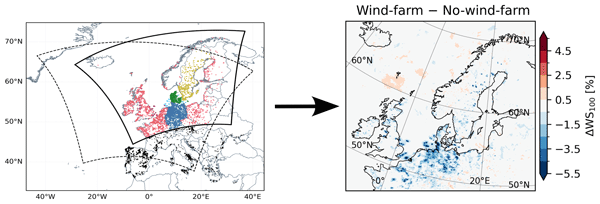
We evaluated how operating wind farms influence the atmosphere in numerical weather prediction using two wind farm parameterizations in the HARMONIE-AROME model, applied by over 10 European weather services. Accurate yield forecasts require including both onshore and offshore turbines. Wind turbines slightly alter near-surface temperature (<1 K on average). We also present an open-access European wind turbine dataset combining multiple data sources.
Nicolas G. Alonso-de-Linaje, Andrea N. Hahmann, and Alfredo Peña
Wind Energ. Sci. Discuss., https://doi.org/10.5194/wes-2026-143, https://doi.org/10.5194/wes-2026-143, 2026
Preprint under review for WES
Short summary
Short summary
Offshore wind farms create wind shadows that reduce energy for nearby farms. Traditional weather simulations require weeks of computing time, making extensive testing impractical. We developed a fast tool that estimates these wind shadows in seconds using turbine positions and local wind data. It closely matches detailed simulations for current and future North Sea layouts and is applicable in the Baltic Sea, enabling planners to evaluate many options quickly.
Oscar García-Santiago, Jake Badger, Andrea N. Hahmann, Patrick J. H. Volker, Søren Ott, M. Paul van der Laan, and Mark Kelly
EGUsphere, https://doi.org/10.5194/egusphere-2026-2144, https://doi.org/10.5194/egusphere-2026-2144, 2026
Short summary
Short summary
We improve how weather models represent the turbulence generated by wind turbines within and behind wind farms. Rather than adding this turbulence only at grid squares with turbine locations, the new method transports it through the wake as it moves downwind. Tests against high-resolution simulations of an idealised wind farm showed better agreement in wake turbulence and more accurate reductions in wind speed, providing a more realistic picture of wake effects across the wind farm.
Maksims Pogumirskis, Tija Sīle, Lasse Svenningsen, and Andrea N. Hahmann
Wind Energ. Sci. Discuss., https://doi.org/10.5194/wes-2026-24, https://doi.org/10.5194/wes-2026-24, 2026
Revised manuscript under review for WES
Short summary
Short summary
We validate seven atmospheric model datasets against wind observations at turbine heights from more than 500 observation campaigns in Europe. We use principal component analysis to show that wind speed and direction have similar spatial and temporal patterns of biases in all seven model datasets. We link these biases to the terrain elevation differences between model and real-world. Two WRF model runs are performed and compared to provide a more robust support to the hypothesis.
Bjarke T. E. Olsen, Andrea N. Hahmann, Nicolas G. Alonso-de-Linaje, Mark Žagar, and Martin Dörenkämper
Geosci. Model Dev., 18, 4499–4533, https://doi.org/10.5194/gmd-18-4499-2025, https://doi.org/10.5194/gmd-18-4499-2025, 2025
Short summary
Short summary
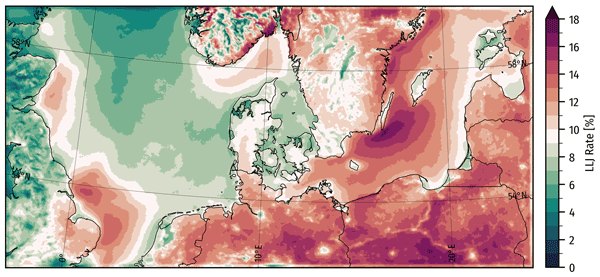
Low-level jets (LLJs) are strong winds in the lower atmosphere that are important for wind energy as turbines get taller. This study compares a weather model (WRF) with real data across five North and Baltic Sea sites. Adjusting the model improved accuracy over the widely used ERA5. In key offshore regions, LLJs occur 10–15 % of the time and significantly boost wind power, especially in spring and summer, contributing up to 30 % of total capacity in some areas.
Oscar García-Santiago, Andrea N. Hahmann, Jake Badger, and Alfredo Peña
Wind Energ. Sci., 9, 963–979, https://doi.org/10.5194/wes-9-963-2024, https://doi.org/10.5194/wes-9-963-2024, 2024
Short summary
Short summary
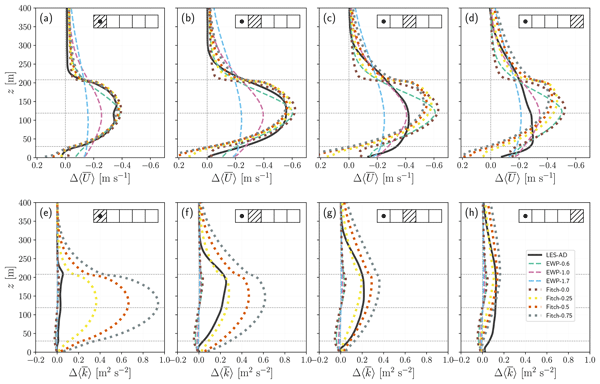
This study compares the results of two wind farm parameterizations (WFPs) in the Weather Research and Forecasting model, simulating a two-turbine array under three atmospheric stabilities with large-eddy simulations. We show that the WFPs accurately depict wind speeds either near turbines or in the far-wake areas, but not both. The parameterizations’ performance varies by variable (wind speed or turbulent kinetic energy) and atmospheric stability, with reduced accuracy in stable conditions.
Xiaoli Guo Larsén, Marc Imberger, Ásta Hannesdóttir, and Andrea N. Hahmann
Wind Energ. Sci. Discuss., https://doi.org/10.5194/wes-2022-102, https://doi.org/10.5194/wes-2022-102, 2023
Revised manuscript not accepted
Short summary
Short summary
We study how climate change will impact extreme winds and choice of turbine class. We use data from 18 CMIP6 members from a historic and a future period to access the change in the extreme winds. The analysis shows an overall increase in the extreme winds in the North Sea and the southern Baltic Sea, but a decrease over the Scandinavian Peninsula and most of the Baltic Sea. The analysis is inconclusive to whether higher or lower classes of turbines will be installed in the future.
Graziela Luzia, Andrea N. Hahmann, and Matti Juhani Koivisto
Wind Energ. Sci., 7, 2255–2270, https://doi.org/10.5194/wes-7-2255-2022, https://doi.org/10.5194/wes-7-2255-2022, 2022
Short summary
Short summary
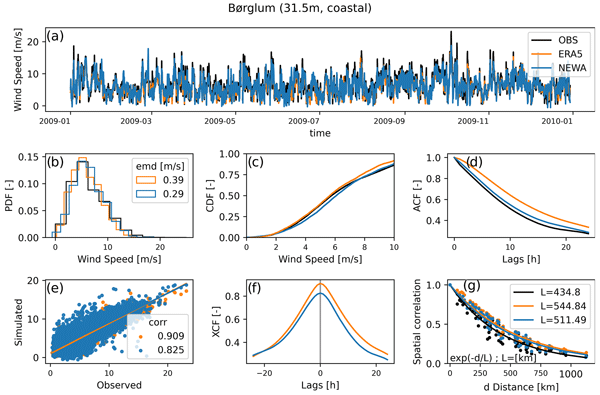
This paper presents a comprehensive validation of time series produced by a mesoscale numerical weather model, a global reanalysis, and a wind atlas against observations by using a set of metrics that we present as requirements for wind energy integration studies. We perform a sensitivity analysis on the numerical weather model in multiple configurations, such as related to model grid spacing and nesting arrangements, to define the model setup that outperforms in various time series aspects.
Jana Fischereit, Bjarke T. E. Olsen, Marc Imberger, Henrik Vedel, Kristian H. Møller, Andrea N. Hahmann, and Xiaoli Guo Larsén
Geosci. Model Dev., 19, 8115–8147, https://doi.org/10.5194/gmd-19-8115-2026, https://doi.org/10.5194/gmd-19-8115-2026, 2026
Short summary
Short summary
We evaluated how operating wind farms influence the atmosphere in numerical weather prediction using two wind farm parameterizations in the HARMONIE-AROME model, applied by over 10 European weather services. Accurate yield forecasts require including both onshore and offshore turbines. Wind turbines slightly alter near-surface temperature (<1 K on average). We also present an open-access European wind turbine dataset combining multiple data sources.
Nicola Bodini, Patrick Moriarty, Regis Thedin, Paula Doubrawa, Cristina Archer, Myra Blaylock, Carlo Bottasso, Bruno Carmo, Lawrence Cheung, Camille Dubreuil, Rogier Floors, Thomas Herges, Daniel Houck, Ali Kanjari, Colleen M. Kaul, Christopher Kelley, Ru Li, Julie K. Lundquist, Desirae Major, Anh Kiet Nguyen, Mike Optis, Luan R. C. Parada, Alfredo Peña, Julian Quick, David Ricarte, William C. Radünz, Raj K. Rai, Oscar García-Santiago, Jonas Schulte, Knut S. Seim, M. Paul van der Laan, Kisorthman Vimalakanthan, and Adam Wise
Wind Energ. Sci., 11, 3107–3135, https://doi.org/10.5194/wes-11-3107-2026, https://doi.org/10.5194/wes-11-3107-2026, 2026
Short summary
Short summary
Predicting wind farm energy production is challenging because wind patterns are complex. We tested 16 different models against real data from a major field experiment to see which worked best. Surprisingly, the most expensive and detailed models were not always more accurate than simpler ones. We found that feeding models better weather data was the most effective way to improve accuracy. These results help the industry choose the right tools for designing more-efficient wind farms.
Nicolas G. Alonso-de-Linaje, Andrea N. Hahmann, and Alfredo Peña
Wind Energ. Sci. Discuss., https://doi.org/10.5194/wes-2026-143, https://doi.org/10.5194/wes-2026-143, 2026
Preprint under review for WES
Short summary
Short summary
Offshore wind farms create wind shadows that reduce energy for nearby farms. Traditional weather simulations require weeks of computing time, making extensive testing impractical. We developed a fast tool that estimates these wind shadows in seconds using turbine positions and local wind data. It closely matches detailed simulations for current and future North Sea layouts and is applicable in the Baltic Sea, enabling planners to evaluate many options quickly.
Jens Peter Schøler, Frederik Peder Weilmann Rasmussen, M. Paul van der Laan, Alfredo Peña, and Pierre-Elouan Réthoré
Wind Energ. Sci., 11, 2869–2893, https://doi.org/10.5194/wes-11-2869-2026, https://doi.org/10.5194/wes-11-2869-2026, 2026
Short summary
Short summary
As offshore wind farms are built closer together, predicting how they affect each other becomes critical. We compared two AI approaches for this task, training both on cheap approximate data before refining them with expensive high-accuracy simulations. One predicts wake boundaries better, while the other estimates wind speeds more accurately, offering complementary tools for future wind farm design.
Sinem Uluocak, Andreas Rott, Alfredo Peña, and Martin Kühn
EGUsphere, https://doi.org/10.5194/egusphere-2026-825, https://doi.org/10.5194/egusphere-2026-825, 2026
This preprint is open for discussion and under review for Atmospheric Measurement Techniques (AMT).
Short summary
Short summary
Wind lidar turbulence measurements are limited by large probe volume of lidar, which attenuates turbulence scales smaller than the probe volume. This process is known as probe volume averaging. This wind tunnel study enabled an experimental investigation of probe volume averaging for the first time, using 32 distinct probe volumes over integral length scale ratios. The study demonstrated the capability of lidar to measure along-wind turbulence statistics.
Oscar García-Santiago, Jake Badger, Andrea N. Hahmann, Patrick J. H. Volker, Søren Ott, M. Paul van der Laan, and Mark Kelly
EGUsphere, https://doi.org/10.5194/egusphere-2026-2144, https://doi.org/10.5194/egusphere-2026-2144, 2026
Short summary
Short summary
We improve how weather models represent the turbulence generated by wind turbines within and behind wind farms. Rather than adding this turbulence only at grid squares with turbine locations, the new method transports it through the wake as it moves downwind. Tests against high-resolution simulations of an idealised wind farm showed better agreement in wake turbulence and more accurate reductions in wind speed, providing a more realistic picture of wake effects across the wind farm.
Maksims Pogumirskis, Tija Sīle, Lasse Svenningsen, and Andrea N. Hahmann
Wind Energ. Sci. Discuss., https://doi.org/10.5194/wes-2026-24, https://doi.org/10.5194/wes-2026-24, 2026
Revised manuscript under review for WES
Short summary
Short summary
We validate seven atmospheric model datasets against wind observations at turbine heights from more than 500 observation campaigns in Europe. We use principal component analysis to show that wind speed and direction have similar spatial and temporal patterns of biases in all seven model datasets. We link these biases to the terrain elevation differences between model and real-world. Two WRF model runs are performed and compared to provide a more robust support to the hypothesis.
Sima Hamzeloo, Xiaoli Guo Larsén, Alfredo Peña, Jana Fischereit, and Oscar García-Santiago
Wind Energ. Sci. Discuss., https://doi.org/10.5194/wes-2025-267, https://doi.org/10.5194/wes-2025-267, 2026
Revised manuscript accepted for WES
Short summary
Short summary
We studied how winds and ocean waves affect each other during a North Sea storm. Using a multiscale approach that captures processes from kilometers down to meters, we linked wind and wave models and compared the results with real measurements. Our aim was to improve current simulation methods, and the findings show that this detailed approach provides more accurate storm predictions up to 100 m height.
Bjarke T. E. Olsen, Andrea N. Hahmann, Nicolas G. Alonso-de-Linaje, Mark Žagar, and Martin Dörenkämper
Geosci. Model Dev., 18, 4499–4533, https://doi.org/10.5194/gmd-18-4499-2025, https://doi.org/10.5194/gmd-18-4499-2025, 2025
Short summary
Short summary
Low-level jets (LLJs) are strong winds in the lower atmosphere that are important for wind energy as turbines get taller. This study compares a weather model (WRF) with real data across five North and Baltic Sea sites. Adjusting the model improved accuracy over the widely used ERA5. In key offshore regions, LLJs occur 10–15 % of the time and significantly boost wind power, especially in spring and summer, contributing up to 30 % of total capacity in some areas.
Etienne Cheynet, Jan Markus Diezel, Hilde Haakenstad, Øyvind Breivik, Alfredo Peña, and Joachim Reuder
Wind Energ. Sci., 10, 733–754, https://doi.org/10.5194/wes-10-733-2025, https://doi.org/10.5194/wes-10-733-2025, 2025
Short summary
Short summary
This study analyses wind speed data at heights up to 500 m to support the design of future large offshore wind turbines and airborne wind energy systems. We compared three wind models (ERA5, NORA3, and NEWA) with lidar measurements at five sites using four performance metrics. ERA5 and NORA3 performed equally well offshore, with NORA3 typically outperforming the other two models onshore. More generally, the optimal choice of model depends on site, altitude, and evaluation criteria.
Alfredo Peña, Ginka G. Yankova, and Vasiliki Mallini
Wind Energ. Sci., 10, 83–102, https://doi.org/10.5194/wes-10-83-2025, https://doi.org/10.5194/wes-10-83-2025, 2025
Short summary
Short summary
Lidars are vastly used in wind energy, but most users struggle when interpreting lidar turbulence measures. Here, we explain the difficulty in converting them into standard measurements. We show two ways of converting lidar to in situ turbulence measurements, both using neural networks: one of them is based on physics, while the other is purely data-driven. They show promising results when compared to high-quality turbulence measurements from a tall mast.
Oscar García-Santiago, Andrea N. Hahmann, Jake Badger, and Alfredo Peña
Wind Energ. Sci., 9, 963–979, https://doi.org/10.5194/wes-9-963-2024, https://doi.org/10.5194/wes-9-963-2024, 2024
Short summary
Short summary
This study compares the results of two wind farm parameterizations (WFPs) in the Weather Research and Forecasting model, simulating a two-turbine array under three atmospheric stabilities with large-eddy simulations. We show that the WFPs accurately depict wind speeds either near turbines or in the far-wake areas, but not both. The parameterizations’ performance varies by variable (wind speed or turbulent kinetic energy) and atmospheric stability, with reduced accuracy in stable conditions.
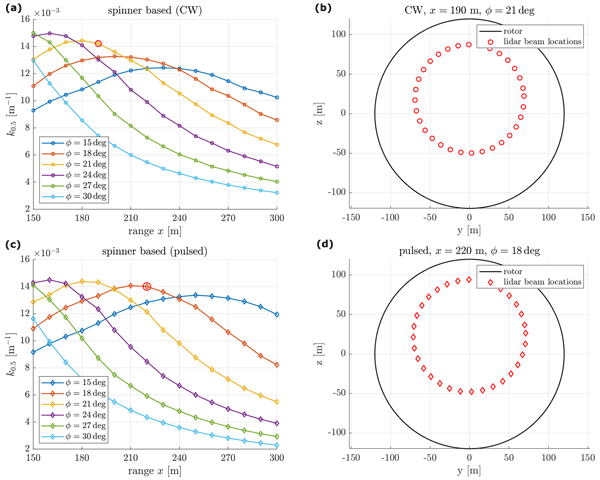
Wei Fu, Feng Guo, David Schlipf, and Alfredo Peña
Wind Energ. Sci., 8, 1893–1907, https://doi.org/10.5194/wes-8-1893-2023, https://doi.org/10.5194/wes-8-1893-2023, 2023
Short summary
Short summary
A high-quality preview of the rotor-effective wind speed is a key element of the benefits of feedforward pitch control. We model a one-beam lidar in the spinner of a 15 MW wind turbine. The lidar rotates with the wind turbine and scans the inflow in a circular pattern, mimicking a multiple-beam lidar at a lower cost. We found that a spinner-based one-beam lidar provides many more control benefits than the one on the nacelle, which is similar to a four-beam nacelle lidar for feedforward control.
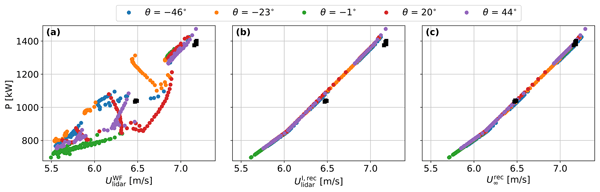
Alessandro Sebastiani, James Bleeg, and Alfredo Peña
Wind Energ. Sci., 8, 1795–1808, https://doi.org/10.5194/wes-8-1795-2023, https://doi.org/10.5194/wes-8-1795-2023, 2023
Short summary
Short summary
The power curve of a wind turbine indicates the turbine power output in relation to the wind speed. Therefore, power curves are critically important to estimate the production of future wind farms as well as to assess whether operating wind farms are functioning correctly. Since power curves are often measured in wind farms, they might be affected by the interactions between the turbines. We show that these effects are not negligible and present a method to correct for them.

Maarten Paul van der Laan, Oscar García-Santiago, Mark Kelly, Alexander Meyer Forsting, Camille Dubreuil-Boisclair, Knut Sponheim Seim, Marc Imberger, Alfredo Peña, Niels Nørmark Sørensen, and Pierre-Elouan Réthoré
Wind Energ. Sci., 8, 819–848, https://doi.org/10.5194/wes-8-819-2023, https://doi.org/10.5194/wes-8-819-2023, 2023
Short summary
Short summary
Offshore wind farms are more commonly installed in wind farm clusters, where wind farm interaction can lead to energy losses. In this work, an efficient numerical method is presented that can be used to estimate these energy losses. The novel method is verified with higher-fidelity numerical models and validated with measurements of an existing wind farm cluster.
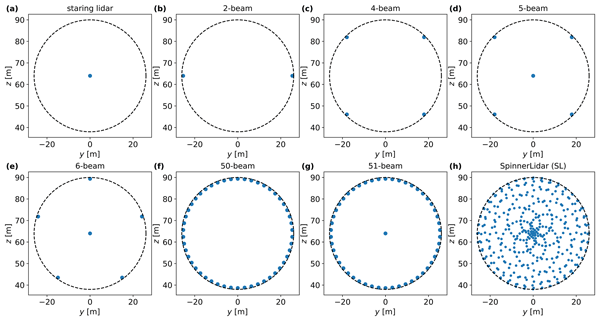
Wei Fu, Alessandro Sebastiani, Alfredo Peña, and Jakob Mann
Wind Energ. Sci., 8, 677–690, https://doi.org/10.5194/wes-8-677-2023, https://doi.org/10.5194/wes-8-677-2023, 2023
Short summary
Short summary
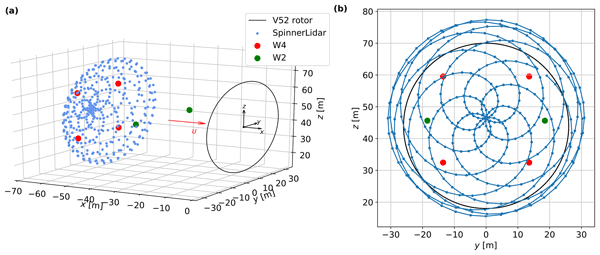
Nacelle lidars with different beam scanning locations and two types of systems are considered for inflow turbulence estimations using both numerical simulations and field measurements. The turbulence estimates from a sonic anemometer at the hub height of a Vestas V52 turbine are used as references. The turbulence parameters are retrieved using the radial variances and a least-squares procedure. The findings from numerical simulations have been verified by the analysis of the field measurements.
Xiaoli Guo Larsén, Marc Imberger, Ásta Hannesdóttir, and Andrea N. Hahmann
Wind Energ. Sci. Discuss., https://doi.org/10.5194/wes-2022-102, https://doi.org/10.5194/wes-2022-102, 2023
Revised manuscript not accepted
Short summary
Short summary
We study how climate change will impact extreme winds and choice of turbine class. We use data from 18 CMIP6 members from a historic and a future period to access the change in the extreme winds. The analysis shows an overall increase in the extreme winds in the North Sea and the southern Baltic Sea, but a decrease over the Scandinavian Peninsula and most of the Baltic Sea. The analysis is inconclusive to whether higher or lower classes of turbines will be installed in the future.
Graziela Luzia, Andrea N. Hahmann, and Matti Juhani Koivisto
Wind Energ. Sci., 7, 2255–2270, https://doi.org/10.5194/wes-7-2255-2022, https://doi.org/10.5194/wes-7-2255-2022, 2022
Short summary
Short summary
This paper presents a comprehensive validation of time series produced by a mesoscale numerical weather model, a global reanalysis, and a wind atlas against observations by using a set of metrics that we present as requirements for wind energy integration studies. We perform a sensitivity analysis on the numerical weather model in multiple configurations, such as related to model grid spacing and nesting arrangements, to define the model setup that outperforms in various time series aspects.
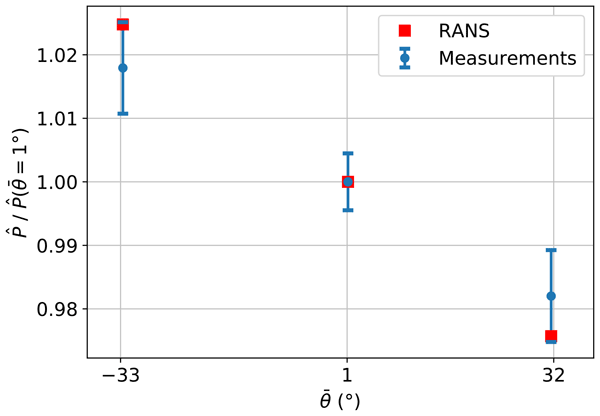
Alessandro Sebastiani, Alfredo Peña, Niels Troldborg, and Alexander Meyer Forsting
Wind Energ. Sci., 7, 875–886, https://doi.org/10.5194/wes-7-875-2022, https://doi.org/10.5194/wes-7-875-2022, 2022
Short summary
Short summary
The power performance of a wind turbine is often tested with the turbine standing in a row of several wind turbines, as it is assumed that the performance is not affected by the neighbouring turbines. We test this assumption with both simulations and measurements, and we show that the power performance can be either enhanced or lowered by the neighbouring wind turbines. Consequently, we also show how power performance testing might be biased when performed on a row of several wind turbines.
Wei Fu, Alfredo Peña, and Jakob Mann
Wind Energ. Sci., 7, 831–848, https://doi.org/10.5194/wes-7-831-2022, https://doi.org/10.5194/wes-7-831-2022, 2022
Short summary
Short summary
Measuring the variability of the wind is essential to operate the wind turbines safely. Lidars of different configurations have been placed on the turbines’ nacelle to measure the inflow remotely. This work found that the multiple-beam lidar is the only one out of the three employed nacelle lidars that can give detailed information about the inflow variability. The other two commercial lidars, which have two and four beams, respectively, measure only the fluctuation in the along-wind direction.
Cited articles
Alonso Díaz, Y., Bezanilla, A., Roque, A., Centella, A., Borrajero, I.,
and Martinez, Y.: Wind resource assessment of Cuba in future climate
scenarios, Wind Eng., 43, 311–326, https://doi.org/10.1177/0309524X18780399, 2019. a
Badger, M., Peña, A., Hahmann, A. N., Mouche, A. A., and Hasager, C. B.:
Extrapolating satellite winds to turbine operating heights, J. Appl.
Meteorol. Clim., 55, 975–991, https://doi.org/10.1175/JAMC-D-15-0197.1, 2016. a
Barthelmie, R. J. and Jensen, L. E.: Evaluation of wind farm efficiency and
wind turbine wakes at the Nysted offshore wind farm, Wind Energy, 13,
573–586, https://doi.org/10.1002/we.408, 2010. a
Beiter, P., Cooperman, A., Lantz, E., Stehly, T., Shields, M., Wiser, R.,
Telsnig, T., Kitzing, L., Berkhout, V., and Kikuchi, Y.: Wind power costs
driven by innovation and experience with further reductions on the horizon,
Wiley Interdiscip. Rev. Energy Environ., 10, e398, https://doi.org/10.1002/wene.398,
2021. a
Boucher, O., Servonnat, J., Albright, A. L., Aumont, O., Balkanski, Y.,
Bastrikov, V., Bekki, S., Bonnet, R., Bony, S., Bopp, L., Braconnot, P.,
Brockmann, P., Cadule, P., Caubel, A., Cheruy, F., Codron, F., Cozic, A.,
Cugnet, D., D'Andrea, F., Davini, P., de Lavergne, C., Denvil, S., Deshayes,
J., Devilliers, M., Ducharne, A., Dufresne, J.-L., Dupont, E., Éthé, C.,
Fairhead, L., Falletti, L., Flavoni, S., Foujols, M.-A., Gardoll, S.,
Gastineau, G., Ghattas, J., Grandpeix, J.-Y., Guenet, B., Guez, Lionel, E.,
Guilyardi, E., Guimberteau, M., Hauglustaine, D., Hourdin, F., Idelkadi, A.,
Joussaume, S., Kageyama, M., Khodri, M., Krinner, G., Lebas, N., Levavasseur,
G., Lévy, C., Li, L., Lott, F., Lurton, T., Luyssaert, S., Madec, G.,
Madeleine, J.-B., Maignan, F., Marchand, M., Marti, O., Mellul, L.,
Meurdesoif, Y., Mignot, J., Musat, I., Ottlé, C., Peylin, P., Planton, Y.,
Polcher, J., Rio, C., Rochetin, N., Rousset, C., Sepulchre, P., Sima, A.,
Swingedouw, D., Thiéblemont, R., Traore, A. K., Vancoppenolle, M., Vial, J.,
Vialard, J., Viovy, N., and Vuichard, N.: Presentation and Evaluation of the
IPSL-CM6A-LR Climate Model, J. Adv. Model. Earth Sy., 12, e2019MS002010,
https://doi.org/10.1029/2019MS002010, 2020. a
Carvalho, D., Rocha, A., Gomez-Gesteira, M., and Santos, C. S.: Potential
impacts of climate change on European wind energy resource under the CMIP5
future climate projections, Renew. Energ., 101, 29–40,
https://doi.org/10.1016/j.renene.2016.08.036, 2017. a
Carvalho, D., Rocha, A., Costoya, X., DeCastro, M., and Gómez-Gesteira,
M.: Wind energy resource over Europe under CMIP6 future climate projections:
What changes from CMIP5 to CMIP6, J. Renew. Sust. Energ., 151, 111594,
https://doi.org/10.1016/j.rser.2021.111594, 2021. a
Chang, T.-J., Chen, C.-L., Tu, Y.-L., Yeh, H.-T., and Wu, Y.-T.: Evaluation of
the climate change impact on wind resources in Taiwan Strait, Energy
Convers. Manag., 95, 435–445, https://doi.org/10.1016/j.enconman.2015.02.033, 2015. a
Chen, L.: Impacts of climate change on wind resources over North America based
on NA-CORDEX, Renew. Energ., 153, 1428–1438,
https://doi.org/10.1016/j.renene.2020.02.090, 2020. a, b
Cherchi, A., Fogli, P. G., Lovato, T., Peano, D., Iovino, D., Gualdi, S.,
Masina, S., Scoccimarro, E., Materia, S., Bellucci, A., and Navarra, A.:
Global Mean Climate and Main Patterns of Variability in the CMCC-CM2 Coupled
Model, J. Adv. Model. Earth Sy., 11, 185–209,
https://doi.org/10.1029/2018MS001369, 2019. a
Cinquini, L., Crichton, D., Mattmann, C., Harney, J., Shipman, G., Wang, F.,
Ananthakrishnan, R., Miller, N., Denvil, S., Morgan, M., Pobre, Z., Bell,
G. M., Doutriaux, C., Drach, R., Williams, D., Kershaw, P., Pascoe, S.,
Gonzalez, E., Fiore, S., and Schweitzer, R.: The Earth System Grid
Federation: An open infrastructure for access to distributed geospatial
data, Futur. Gener. Comput. Syst., 36, 400–417,
https://doi.org/10.1016/j.future.2013.07.002,
2014. a
COWI: Vindressource, layouts og energiproduktion For Bornholm I + II,
Nordsøen II + III Og Området Vest For Nordsøen II + III, Tech.
rep., Danish Energy Agency,
https://ens.dk/sites/ens.dk/files/Vindenergi/2-3_vindressource_layouts_og_energiproduktion.pdf (last access: 13 November 2022),
2020. a, b, c, d
Cronin, J., Anandarajah, G., and Dessens, O.: Climate change impacts on the
energy system: a review of trends and gaps, Climatic Change, 151, 79–93,
https://doi.org/10.1007/s10584-018-2265-4, 2018. a
Danabasoglu, G., Lamarque, J.-F., Bacmeister, J., Bailey, D. A., DuVivier,
A. K., Edwards, J., Emmons, L. K., Fasullo, J., Garcia, R., Gettelman, A.,
Hannay, C., Holland, M. M., Large, W. G., Lauritzen, P. H., Lawrence, D. M.,
Lenaerts, J. T. M., Lindsay, K., Lipscomb, W. H., Mills, M. J., Neale, R.,
Oleson, K. W., Otto-Bliesner, B., Phillips, A. S., Sacks, W., Tilmes, S., van
Kampenhout, L., Vertenstein, M., Bertini, A., Dennis, J., Deser, C., Fischer,
C., Fox-Kemper, B., Kay, J. E., Kinnison, D., Kushner, P. J., Larson, V. E.,
Long, M. C., Mickelson, S., Moore, J. K., Nienhouse, E., Polvani, L., Rasch,
P. J., and Strand, W. G.: The Community Earth System Model Version 2 (CESM2),
J. Adv. Model. Earth Sy., 12, e2019MS001916,
https://doi.org/10.1029/2019MS001916, 2020. a
Devis, A., Van Lipzig, N. P. M., and Demuzere, M.: Should future wind speed
changes be taken into account in wind farm development?, Environ. Res.
Lett., 13, 64012, https://doi.org/10.1088/1748-9326/aabff7, 2018. a, b, c
Dörenkämper, M., Olsen, B. T., Witha, B., Hahmann, A. N., Davis, N. N., Barcons, J., Ezber, Y., García-Bustamante, E., González-Rouco, J. F., Navarro, J., Sastre-Marugán, M., Sīle, T., Trei, W., Žagar, M., Badger, J., Gottschall, J., Sanz Rodrigo, J., and Mann, J.: The Making of the New European Wind Atlas – Part 2: Production and evaluation, Geosci. Model Dev., 13, 5079–5102, https://doi.org/10.5194/gmd-13-5079-2020, 2020. a, b
Emeis, S.: Wind Energy Meteorology: Atmospheric Physics for Wind Power
Generation, second edn., Green Energy and Technology, Springer International Publishing,
Cham, ISBN 978-3-319-72858-2, https://doi.org/10.1007/978-3-319-72859-9, 2018. a
ESGF: esgf-pyclient, ESGF [code],
https://esgf-pyclient.readthedocs.io/en/latest/, last access: 13 November 2022. a
Eyring, V., Bony, S., Meehl, G. A., Senior, C. A., Stevens, B., Stouffer, R. J., and Taylor, K. E.: Overview of the Coupled Model Intercomparison Project Phase 6 (CMIP6) experimental design and organization, Geosci. Model Dev., 9, 1937–1958, https://doi.org/10.5194/gmd-9-1937-2016, 2016a. a
Eyring, V., Gleckler, P. J., Heinze, C., Stouffer, R. J., Taylor, K. E., Balaji, V., Guilyardi, E., Joussaume, S., Kindermann, S., Lawrence, B. N., Meehl, G. A., Righi, M., and Williams, D. N.: Towards improved and more routine Earth system model evaluation in CMIP, Earth Syst. Dynam., 7, 813–830, https://doi.org/10.5194/esd-7-813-2016, 2016b. a
Fernandez-Granja, J. A., Casanueva, A., Bedia, J., and Fernandez, J.: Improved
atmospheric circulation over Europe by the new generation of CMIP6 earth
system models, Clim. Dynam., 56, 3527–3540, https://doi.org/10.1007/s00382-021-05652-9,
2021. a
Fischereit, J., Brown, R., Larsén, X. G., Badger, J., and Hawkes, G.:
Review of Mesoscale Wind-Farm Parametrizations and Their Applications,
Bound.-Lay Meteorol., 182, 175–224, https://doi.org/10.1007/s10546-021-00652-y, 2022. a
Gaertner, E., Rinker, J., Sethuraman, L., Zahle, F., Anderson, B., Barter, G.,
Abbas, N., Meng, F., Bortolotti, P., Skrzypinski, W., Scott, G., Feil, R.,
Bredmose, H., Dykes, K., Shields, M., Allen, C., and Viselli, A.: Definition
of the IEA 15-Megawatt Offshore Reference Wind, Tech. Rep., National
Renewable Energy Laboratory,
https://www.nrel.gov/docs/fy20osti/75698.pdf (last access: 13 November 2022), 2020. a
Gelaro, R., McCarty, W., Suarez, M. J., Todling, R., Molod, A., Takacs, L.,
Randles, C. A., Darmenov, A., Bosilovich, M. G., Reichle, R., Wargan, K.,
Coy, L., Cullather, R., Draper, C., Akella, S., Buchard, V., Conaty, A., Da
Silva, A., Gu, W., Kim, G.-K., Koster, R. D., Lucchesi, R., Merkova, D.,
Nielsen, J. E., Partyke, G., Pawson, S., Putman, W., Reinecker, M., Schubert,
S. D., Sienkiewicz, M., and Zhao, B.: The Modern-Era Retrospective Analysis
for Research and Applications, Version 2 (MERRA-2), J. Climate, 30,
5419–5454, https://doi.org/10.1175/JCLI-D-16-0758.1, 2017. a
Gernaat, D. E., de Boer, H. S., Daioglou, V., Yalew, S. G., Müller, C.,
and van Vuuren, D. P.: Climate change impacts on renewable energy supply,
Nat. Clim. Change, 11, 119–125, https://doi.org/10.1038/s41558-020-00949-9, 2021. a, b
Giorgi, F. and Gutowski, W. J.: Regional Dynamical Downscaling and the CORDEX
Initiative, Annu. Rev. Environ. Resour., 40, 467–490, 2015. a
Global Modeling and Assimilation Office (GMAO): tavg1_2d_slv_Nx: 2d, 1-Hourly, Time-Averaged, Single-Level, Assimilation, Single-Level Diagnostics V5.12.4, Greenbelt, MD, USA, Goddard Earth Sciences Data and Information Services Center (GES DISC) [data set], https://doi.org/10.5067/VJAFPLI1CSIV, 2015. a
Göçmen, T., van der Laan, P., Réthoré, P.-E., Diaz,
A. P., Larsen, G. C., and Ott, S.: Wind turbine wake models developed at the
Technical University of Denmark: A review, Renew. Sustain. Energy Rev., 60,
752–769, https://doi.org/10.1016/j.rser.2016.01.113, 2016. a
Gonzalez, P. L., Brayshaw, D. J., and Zappa, G.: The contribution of North
Atlantic atmospheric circulation shifts to future wind speed projections for
wind power over Europe, Clim. Dynam., 53, 4095–4113,
https://doi.org/10.1007/s00382-019-04776-3, 2019. a, b
GWEC: Global Offshore Wind: Annual Market Report 2020, Tech. Rep. February,
Global Wind Energy Council, Bru,
https://gwec.net/wp-content/uploads/2020/12/GWEC-Global-Offshore-Wind-Report-2020.pdf (last access: 13 November 2022),
2020. a
GWEC: Global Wind Report 2021, Tech. Rep., Global Wind Energy Council,
https://gwec.net/wp-content/uploads/2021/03/GWEC-Global-Wind-Report-2021.pdf (last access: 13 November 2022),
2021. a
Hahmann, A. N.: future-wind Initial Release. In Wind Energy Sciences (v0.1.0), Zenodo [code], https://doi.org/10.5281/zenodo.7260128, 2022. a
Hahmann, A. N., Vincent, C. L., Peña, A., Lange, J., and Hasager, C. B.:
Wind climate estimation using WRF model output: Method and model
sensitivities over the sea, Int. J. Climatol., 35, 3422–3439, 2015. a
Hahmann, A. N., Sīle, T., Witha, B., Davis, N. N., Dörenkämper, M., Ezber, Y., García-Bustamante, E., González-Rouco, J. F., Navarro, J., Olsen, B. T., and Söderberg, S.: The making of the New European Wind Atlas – Part 1: Model sensitivity, Geosci. Model Dev., 13, 5053–5078, https://doi.org/10.5194/gmd-13-5053-2020, 2020. a, b
Hahmann, A. N., Sīle, T., Witha, B., Davis, N., Dörenkämper, N., Ezber, Y., García-Bustamante, E., González-Rouco, J. F., Navarro, J, Olsen, B. T., Söderberg, S., Barcons, J, Sastre-Marugán, M., Trei, W., Žagar, M., Badger, J., Gottschall, J., Sanz Rodrigo, J., Mann, J., and Vasiljevic, N.: New European Wind Atlas: Mesoscale Atlas, Technical University of Denmark [data set], https://doi.org/10.11583/DTU.14414096.v1, 2021. a
Hajima, T., Watanabe, M., Yamamoto, A., Tatebe, H., Noguchi, M. A., Abe, M., Ohgaito, R., Ito, A., Yamazaki, D., Okajima, H., Ito, A., Takata, K., Ogochi, K., Watanabe, S., and Kawamiya, M.: Development of the MIROC-ES2L Earth system model and the evaluation of biogeochemical processes and feedbacks, Geosci. Model Dev., 13, 2197–2244, https://doi.org/10.5194/gmd-13-2197-2020, 2020. a
Hersbach, H., Bell, B., Berrisford, P., Biavati, G., Horányi, A., Muñoz Sabater, J., Nicolas, J., Peubey, C., Radu, R., Rozum, I., Schepers, D., Simmons, A., Soci, C., Dee, D., and Thépaut, J.-N.: ERA5 hourly data on single levels from 1959 to present, Copernicus Climate Change Service (C3S) Climate Data Store (CDS) [data set], https://doi.org/10.24381/cds.adbb2d47, 2018. a
Hersbach, H., Bell, B., Berrisford, P., Hirahara, S., Horányi, A.,
Muñoz‐Sabater, J., Nicolas, J., Peubey, C., Radu, R., Schepers, D.,
Simmons, A., Soci, C., Abdalla, S., Abellan, X., Balsamo, G., Bechtold, P.,
Biavati, G., Bidlot, J., Bonavita, M., Chiara, G., Dahlgren, P., Dee, D.,
Diamantakis, M., Dragani, R., Flemming, J., Forbes, R., Fuentes, M., Geer,
A., Haimberger, L., Healy, S., Hogan, R. J., Hólm, E., Janisková,
M., Keeley, S., Laloyaux, P., Lopez, P., Lupu, C., Radnoti, G., Rosnay, P.,
Rozum, I., Vamborg, F., Villaume, S., Thépaut, J. N.,
Muñoz-Sabater, J., Nicolas, J., Peubey, C., Radu, R., Schepers, D.,
Simmons, A., Soci, C., Abdalla, S., Abellan, X., Balsamo, G., Bechtold, P.,
Biavati, G., Bidlot, J., Bonavita, M., De Chiara, G., Dahlgren, P., Dee,
D., Diamantakis, M., Dragani, R., Flemming, J., Forbes, R., Fuentes, M.,
Geer, A., Haimberger, L., Healy, S., Hogan, R. J., Hólm, E.,
Janisková, M., Keeley, S., Laloyaux, P., Lopez, P., Lupu, C., Radnoti,
G., de Rosnay, P., Rozum, I., Vamborg, F., Villaume, S., and Thépaut,
J. N.: The ERA5 global reanalysis, Q. J. Roy. Meteor. Soc., 146,
1999–2049, https://doi.org/10.1002/qj.3803, 2020. a
IEA: World Energy Outlook 2019, Tech. Rep., International Energy Agency,
https://www.iea.org/reports/world-energy-outlook-2019 (last access: 13 November 2022), 2019. a
IPCC: Climate Change 2021: The Physical Science Basis. Contribution of
Working Group I to the Sixth Assessment Report of the Intergovernmental Panel
on Climate Change, edited by: Masson-Delmotte, V., Zhai, P., Pirani, A.,
Connors, S., Péan, C., Berger, S., Caud, N., Chen, Y., Goldfarb, L.,
Gomis, M., Huang, M., Leitzell, K., Lonnoy, E., Matthews, J., Maycock, T.,
Waterfield, T., Yelek ci, O., Yu, R., and Zhou, B., Cambridge University
Press, Cambridge, United Kingdom, and New York, USA, in press, https://doi.org/10.1017/9781009157896, 2021. a, b
IPCC: Summary for Policymakers, in: Global Warming of 1.5 ∘C: IPCC Special Report on Impacts of Global Warming of 1.5 ∘C above Pre-industrial Levels in Context of Strengthening Response to Climate Change, Sustainable Development, and Efforts to Eradicate Poverty, Cambridge University Press, Cambridge, 1–24, https://doi.org/10.1017/9781009157940.001, 2022. a, b, c
Jerez, S., Tobin, I., Turco, M., Jiménez-Guerrero, P., Vautard, R., and
Montávez, J.: Future changes, or lack thereof, in the temporal
variability of the combined wind-plus-solar power production in Europe,
Renew. Energ., 139, 251–260, https://doi.org/10.1016/j.renene.2019.02.060, 2019. a
Karnauskas, K. B., Lundquist, J. K., and Zhang, L.: Southward shift of the
global wind energy resource under high carbon dioxide emissions, Nat.
Geosci., 11, 38–43, https://doi.org/10.1038/s41561-017-0029-9, 2018. a, b, c
Kawai, H., Yukimoto, S., Koshiro, T., Oshima, N., Tanaka, T., Yoshimura, H., and Nagasawa, R.: Significant improvement of cloud representation in the global climate model MRI-ESM2, Geosci. Model Dev., 12, 2875–2897, https://doi.org/10.5194/gmd-12-2875-2019, 2019. a
Mauritsen, T., Bader, J., Becker, T., Behrens, J., Bittner, M., Brokopf, R.,
Brovkin, V., Claussen, M., Crueger, T., Esch, M., Fast, I., Fiedler, S.,
Fläschner, D., Gayler, V., Giorgetta, M., Goll, D. S., Haak, H., Hagemann,
S., Hedemann, C., Hohenegger, C., Ilyina, T., Jahns, T., Jimenéz-de-la
Cuesta, D., Jungclaus, J., Kleinen, T., Kloster, S., Kracher, D., Kinne, S.,
Kleberg, D., Lasslop, G., Kornblueh, L., Marotzke, J., Matei, D., Meraner,
K., Mikolajewicz, U., Modali, K., Möbis, B., Müller, W. A., Nabel, J. E.
M. S., Nam, C. C. W., Notz, D., Nyawira, S.-S., Paulsen, H., Peters, K.,
Pincus, R., Pohlmann, H., Pongratz, J., Popp, M., Raddatz, T. J., Rast, S.,
Redler, R., Reick, C. H., Rohrschneider, T., Schemann, V., Schmidt, H.,
Schnur, R., Schulzweida, U., Six, K. D., Stein, L., Stemmler, I., Stevens,
B., von Storch, J.-S., Tian, F., Voigt, A., Vrese, P., Wieners, K.-H.,
Wilkenskjeld, S., Winkler, A., and Roeckner, E.: Developments in the MPI-M
Earth System Model version 1.2 (MPI-ESM1.2) and Its Response to Increasing
CO2, J. Adv. Model. Earth Sy., 11, 998–1038,
https://doi.org/10.1029/2018MS001400, 2019. a
Meehl, G. A., Boer, G. J., Covey, C., Latif, M., and Stouffer, R. J.:
Intercomparison makes for a better climate model, Eos, Trans. Am. Geophys.
Union, 78, 445–446, https://doi.org/10.1029/97EO00276, 1997. a
Moemken, J., Reyers, M., Feldmann, H., and Pinto, J. G.: Future Changes of
Wind Speed and Wind Energy Potentials in EURO-CORDEX Ensemble Simulations,
J. Geophys. Res., 123, 6373–6389, https://doi.org/10.1029/2018JD028473, 2018. a
Müller, W. A., Jungclaus, J. H., Mauritsen, T., Baehr, J., Bittner, M.,
Budich, R., Bunzel, F., Esch, M., Ghosh, R., Haak, H., Ilyina, T., Kleine,
T., Kornblueh, L., Li, H., Modali, K., Notz, D., Pohlmann, H., Roeckner, E.,
Stemmler, I., Tian, F., and Marotzke, J.: A Higher-resolution Version of the
Max Planck Institute Earth System Model (MPI-ESM1.2-HR), J. Adv. Model Earth
Sy., 10, 1383–1413, https://doi.org/10.1029/2017MS001217, 2018. a
National Oceanic and Atmospheric Administration (NOAA): The Twentieth Century Reanalysis Project V3, National Oceanic and Atmospheric Administration Climate Program Office and NOAA Physical Sciences Laboratory, Boulder, Colorado, USA [data set], https://psl.noaa.gov/data/gridded/data.20thC_ReanV3.html (last access: 24 November 2022), 2019. a
Nygaard, N. G.: Wakes in very large wind farms and the effect of neighbouring
wind farms, J. Phys. Conf. Ser., 524, 012162,
https://doi.org/10.1088/1742-6596/524/1/012162, 2014. a, b
O'Neill, B. C., Tebaldi, C., van Vuuren, D. P., Eyring, V., Friedlingstein, P., Hurtt, G., Knutti, R., Kriegler, E., Lamarque, J.-F., Lowe, J., Meehl, G. A., Moss, R., Riahi, K., and Sanderson, B. M.: The Scenario Model Intercomparison Project (ScenarioMIP) for CMIP6, Geosci. Model Dev., 9, 3461–3482, https://doi.org/10.5194/gmd-9-3461-2016, 2016. a
Oudar, T., Cattiaux, J., and Douville, H.: Drivers of the Northern
Extratropical Eddy‐Driven Jet Change in CMIP5 and CMIP6 Models, Geophys.
Res. Lett., 47, e2019GL086695, https://doi.org/10.1029/2019GL086695, 2020. a
Pedersen, M. M., van der Laan, P., Friis-Møller, M., Rinker, J., and Réthoré, P.-E.: DTUWindEnergy/PyWake: PyWake (v1.0.10), Zenodo [code], https://doi.org/10.5281/zenodo.2562662, 2019. a
Peña, A. and Hahmann, A. N.: Atmospheric stability and turbulence fluxes
at Horns Rev – an intercomparison of sonic, bulk and WRF model data, Wind
Energy, 15, 717–731, 2012. a
Peña, A. and Rathmann, O.: Atmospheric stability‐dependent infinite
wind‐farm models and the wake‐decay coefficient, Wind Energy, 17,
1269–1285, https://doi.org/10.1002/we.1632, 2014. a, b
Peña, A., Réthoré, P., and Laan, M. P.: On the application
of the Jensen wake model using a turbulence‐dependent wake decay
coefficient: the Sexbierum case, Wind Energy, 19, 763–776,
https://doi.org/10.1002/we.1863, 2016. a, b
Pryor, S. C., Barthelmie, R. J., Bukovsky, M. S., Leung, L. R., and Sakaguchi,
K.: Climate change impacts on wind power generation, Nat. Rev. Earth
Environ., 1, 627–643, https://doi.org/10.1038/s43017-020-0101-7, 2020. a
Rabin, J., Delon, J., and Gousseau, Y.: Circular Earth Mover's Distance for
the comparison of local features, in: 2008 19th Int. Conf. Pattern
Recognit., Tampa, FL, USA,
8–11 December 2008, IEEE, 1–4, https://doi.org/10.1109/ICPR.2008.4761372, 2008. a
Reyers, M., Moemken, J., and Pinto, J. G.: Future changes of wind energy
potentials over Europe in a large CMIP5 multi-model ensemble, Int. J.
Climatol., 36, 783–796, https://doi.org/10.1002/joc.4382, 2016. a
Riahi, K., van Vuuren, D. P., Kriegler, E., Edmonds, J., O'Neill, B. C.,
Fujimori, S., Bauer, N., Calvin, K., Dellink, R., Fricko, O., Lutz, W., Popp,
A., Cuaresma, J. C., KC, S., Leimbach, M., Jiang, L., Kram, T., Rao, S.,
Emmerling, J., Ebi, K., Hasegawa, T., Havlik, P., Humpenöder, F., Da
Silva, L. A., Smith, S., Stehfest, E., Bosetti, V., Eom, J., Gernaat, D.,
Masui, T., Rogelj, J., Strefler, J., Drouet, L., Krey, V., Luderer, G.,
Harmsen, M., Takahashi, K., Baumstark, L., Doelman, J. C., Kainuma, M.,
Klimont, Z., Marangoni, G., Lotze-Campen, H., Obersteiner, M., Tabeau, A.,
and Tavoni, M.: The Shared Socioeconomic Pathways and their energy, land
use, and greenhouse gas emissions implications: An overview, Glob. Environ.
Chang., 42, 153–168, https://doi.org/10.1016/j.gloenvcha.2016.05.009, 2017. a
Sailor, D. J., Smith, M., and Hart, M.: Climate change implications for wind
power resources in the Northwest United States, Renew. Energ., 33,
2393–2406, https://doi.org/10.1016/j.renene.2008.01.007, 2008. a
Seland, Ø., Bentsen, M., Olivié, D., Toniazzo, T., Gjermundsen, A., Graff, L. S., Debernard, J. B., Gupta, A. K., He, Y.-C., Kirkevåg, A., Schwinger, J., Tjiputra, J., Aas, K. S., Bethke, I., Fan, Y., Griesfeller, J., Grini, A., Guo, C., Ilicak, M., Karset, I. H. H., Landgren, O., Liakka, J., Moseid, K. O., Nummelin, A., Spensberger, C., Tang, H., Zhang, Z., Heinze, C., Iversen, T., and Schulz, M.: Overview of the Norwegian Earth System Model (NorESM2) and key climate response of CMIP6 DECK, historical, and scenario simulations, Geosci. Model Dev., 13, 6165–6200, https://doi.org/10.5194/gmd-13-6165-2020, 2020. a, b
Sellar, A. A., Walton, J., Jones, C. G., Wood, R., Abraham, N. L., Andrejczuk,
M., Andrews, M. B., Andrews, T., Archibald, A. T., de Mora, L., Dyson, H.,
Elkington, M., Ellis, R., Florek, P., Good, P., Gohar, L., Haddad, S.,
Hardiman, S. C., Hogan, E., Iwi, A., Jones, C. D., Johnson, B., Kelley,
D. I., Kettleborough, J., Knight, J. R., Köhler, M. O., Kuhlbrodt, T.,
Liddicoat, S., Linova-Pavlova, I., Mizielinski, M. S., Morgenstern, O.,
Mulcahy, J., Neininger, E., O'Connor, F. M., Petrie, R., Ridley, J., Rioual,
J.-C., Roberts, M., Robertson, E., Rumbold, S., Seddon, J., Shepherd, H.,
Shim, S., Stephens, A., Teixiera, J. C., Tang, Y., Williams, J., Wiltshire,
A., and Griffiths, P. T.: Implementation of U.K. Earth System Models for
CMIP6, J. Adv. Model. Earth Sy., 12, e2019MS001946,
https://doi.org/10.1029/2019MS001946, 2020. a, b, c
Slivinski, L. C., Compo, G. P., Whitaker, J. S., Sardeshmukh, P. D., Giese,
B. S., McColl, C., Allan, R., Yin, X., Vose, R., Titchner, H., Kennedy, J.,
Spencer, L. J., Ashcroft, L., Brönnimann, S., Brunet, M., Camuffo, D.,
Cornes, R., Cram, T. A., Crouthamel, R., Domínguez‐Castro, F.,
Freeman, J. E., Gergis, J., Hawkins, E., Jones, P. D., Jourdain, S., Kaplan,
A., Kubota, H., Blancq, F. L., Lee, T., Lorrey, A., Luterbacher, J., Maugeri,
M., Mock, C. J., Moore, G. K., Przybylak, R., Pudmenzky, C., Reason, C.,
Slonosky, V. C., Smith, C. A., Tinz, B., Trewin, B., Valente, M. A., Wang,
X. L., Wilkinson, C., Wood, K., and Wyszyński, P.: Towards a more
reliable historical reanalysis: Improvements for version 3 of the Twentieth
Century Reanalysis system, Q. J. Roy. Meteor. Soc., 145, 2876–2908,
https://doi.org/10.1002/qj.3598, 2019. a
Solbrekke, I. M., Kvamstø, N. G., and Sorteberg, A.: Mitigation of offshore wind power intermittency by interconnection of production sites, Wind Energ. Sci., 5, 1663–1678, https://doi.org/10.5194/wes-5-1663-2020, 2020. a
Swart, N. C., Cole, J. N. S., Kharin, V. V., Lazare, M., Scinocca, J. F., Gillett, N. P., Anstey, J., Arora, V., Christian, J. R., Hanna, S., Jiao, Y., Lee, W. G., Majaess, F., Saenko, O. A., Seiler, C., Seinen, C., Shao, A., Sigmond, M., Solheim, L., von Salzen, K., Yang, D., and Winter, B.: The Canadian Earth System Model version 5 (CanESM5.0.3), Geosci. Model Dev., 12, 4823–4873, https://doi.org/10.5194/gmd-12-4823-2019, 2019. a
Séférian, R., Nabat, P., Michou, M., Saint-Martin, D., Voldoire, A., Colin,
J., Decharme, B., Delire, C., Berthet, S., Chevallier, M., Sénési, S.,
Franchisteguy, L., Vial, J., Mallet, M., Joetzjer, E., Geoffroy, O.,
Guérémy, J.-F., Moine, M.-P., Msadek, R., Ribes, A., Rocher, M., Roehrig,
R., Salas-y Mélia, D., Sanchez, E., Terray, L., Valcke, S., Waldman, R.,
Aumont, O., Bopp, L., Deshayes, J., Éthé, C., and Madec, G.: Evaluation of
CNRM Earth System Model, CNRM-ESM2-1: Role of Earth System Processes in
Present-Day and Future Climate, J. Adv. Model. Earth Sy., 11, 4182–4227,
https://doi.org/10.1029/2019MS001791, 2019. a
Tatebe, H., Ogura, T., Nitta, T., Komuro, Y., Ogochi, K., Takemura, T., Sudo, K., Sekiguchi, M., Abe, M., Saito, F., Chikira, M., Watanabe, S., Mori, M., Hirota, N., Kawatani, Y., Mochizuki, T., Yoshimura, K., Takata, K., O'ishi, R., Yamazaki, D., Suzuki, T., Kurogi, M., Kataoka, T., Watanabe, M., and Kimoto, M.: Description and basic evaluation of simulated mean state, internal variability, and climate sensitivity in MIROC6, Geosci. Model Dev., 12, 2727–2765, https://doi.org/10.5194/gmd-12-2727-2019, 2019. a
Taylor, K. E., Stouffer, R. J., and Meehl, G. A.: An Overview of CMIP5 and the
Experiment Design, B. Am. Meteorol. Soc., 93, 485–498,
https://doi.org/10.1175/BAMS-D-11-00094.1, 2012. a
Tilo, Z., A., C. M., M., L. R., Andrew, L., W., B. R., Martin, D., Lauren, S.,
Ying-Ping, W., and Jhan, S.: The Australian Earth System Model:
ACCESS-ESM1.5, J. of Southern Hemisphere Earth Systems Science, 70,
193–214, https://doi.org/10.1071/ES19035, 2020. a
Tobin, I., Jerez, S., Vautard, R., Thais, F. F., Van Meijgaard, E., Prein,
A., Déqué, M., Kotlarski, S., Maule, C. F., Nikulin, G.,
Noël, T., Teichmann, C., Gobiet, A., Thais, F. F., Meijgaard, E. V.,
Prein, A., Kotlarski, S., Maule, C. F., Nikulin, G., Noël, T., and
Teichmann, C.: Climate change impacts on the power generation potential of a
European mid-century wind farms scenario, Environ. Res. Lett., 11, 034013,
https://doi.org/10.1088/1748-9326/11/3/034013, 2016.
a
Voldoire, A., Saint-Martin, D., Sénési, S., Decharme, B., Alias, A.,
Chevallier, M., Colin, J., Guérémy, J.-F., Michou, M., Moine, M.-P., Nabat,
P., Roehrig, R., Salas y Mélia, D., Séférian, R., Valcke, S., Beau, I.,
Belamari, S., Berthet, S., Cassou, C., Cattiaux, J., Deshayes, J., Douville,
H., Ethé, C., Franchistéguy, L., Geoffroy, O., Lévy, C., Madec, G.,
Meurdesoif, Y., Msadek, R., Ribes, A., Sanchez-Gomez, E., Terray, L., and
Waldman, R.: Evaluation of CMIP6 DECK Experiments With CNRM-CM6-1, J. Adv.
Model. Earth Sy., 11, 2177–2213, https://doi.org/10.1029/2019MS001683,
2019. a
Volker, P. J. H., Hahmann, A. N., Badger, J., and Jørgensen, H. E.:
Prospects for generating electricity by large onshore and offshore wind
farms, Environ. Res. Lett., 12, 034022, https://doi.org/10.1088/1748-9326/aa5d86,
2017. a
Wang, S., Yang, H., Pham, Q. B., Khoi, D. N., and Nhi, P. T. T.: An ensemble
framework to investigate wind energy sustainability considering climate
change impacts, Sustainability, 12, 876, https://doi.org/10.3390/su12030876, 2020. a
Wiser, R., Rand, J., Seel, J., Beiter, P., Baker, E., Lantz, E., and Gilman,
P.: Expert elicitation survey predicts 37 % to 49 % declines in wind
energy costs by 2050, Nat. Energy, 6, 555–565,
https://doi.org/10.1038/s41560-021-00810-z, 2021. a
Yalew, S. G., van Vliet, M. T., Gernaat, D. E., Ludwig, F., Miara, A., Park,
C., Byers, E., De Cian, E., Piontek, F., Iyer, G., Mouratiadou, I., Glynn,
J., Hejazi, M., Dessens, O., Rochedo, P., Pietzcker, R., Schaeffer, R.,
Fujimori, S., Dasgupta, S., Mima, S., da Silva, S. R., Chaturvedi, V.,
Vautard, R., and van Vuuren, D. P.: Impacts of climate change on energy
systems in global and regional scenarios, Nat. Energy, 5,
794–802,
https://doi.org/10.1038/s41560-020-0664-z, 2020. a
Yang, Y., Wang, B., and Cao, J. e. a.: Improved historical simulation by
enhancing moist physical parameterizations in the climate system model
NESM3.0, Clim. Dynam., 54, 3819–3840, https://doi.org/10.1007/s00382-020-05209-2, 2020. a
Zappa, G., Hoskins, B. J., and Shepherd, T. G.: Improving climate change
detection through optimal seasonal averaging: The case of the North Atlantic
jet and European precipitation, J. Climate, 28, 6381–6397,
https://doi.org/10.1175/JCLI-D-14-00823.1, 2015. a
Zheng, C.-W., Li, X.-Y., Luo, X., Chen, X., Qian, Y.-H., Zhang, Z.-H., Gao,
Z.-S., Du, Z.-B., Gao, Y.-B., and Chen, Y.-G.: Projection of future global
offshore wind energy resources using CMIP data, Atmos. Ocean, 57,
134–148, https://doi.org/10.1080/07055900.2019.1624497, 2019. a
Short summary
We explore the changes in wind energy resources in northern Europe using output from simulations from the Climate Model Intercomparison Project (CMIP6) under the high-emission scenario. Our results show that climate change does not particularly alter annual energy production in the North Sea but could affect the seasonal distribution of these resources, significantly reducing energy production during the summer from 2031 to 2050.
We explore the changes in wind energy resources in northern Europe using output from simulations...


Altmetrics
Final-revised paper
Preprint