
Articles | Volume 11, issue 8
https://doi.org/10.5194/wes-11-3107-2026
© Author(s) 2026. This work is distributed under
the Creative Commons Attribution 4.0 License.
the Creative Commons Attribution 4.0 License.
https://doi.org/10.5194/wes-11-3107-2026
© Author(s) 2026. This work is distributed under
the Creative Commons Attribution 4.0 License.
the Creative Commons Attribution 4.0 License.
Research article
| 
27 Aug 2026
Research article |
| 27 Aug 2026
| 27 Aug 2026
The AWAKEN wind farm benchmark – Part 2: Modeling results

National Laboratory of the Rockies, Golden, CO, USA
Patrick Moriarty
National Laboratory of the Rockies, Golden, CO, USA
Regis Thedin
National Laboratory of the Rockies, Golden, CO, USA
Paula Doubrawa
WSP USA Inc., Boulder, CO, USA
Cristina Archer
Department of Geography and Spatial Sciences, University of Delaware, Newark, DE, USA
Myra Blaylock
Sandia National Laboratories, Livermore, CA, USA
Carlo Bottasso
TUM School of Engineering and Design, Technical University of Munich, Munich, Germany
Bruno Carmo
Departamento de Engenharia Mecânica, Escola Politécnica da Universidade de São Paulo, São Paulo, Brazil
Lawrence Cheung
Sandia National Laboratories, Livermore, CA, USA
Camille Dubreuil
Equinor, Sandsli, Norway
Rogier Floors
Department of Wind and Energy Systems, Technical University of Denmark, Roskilde, Denmark
Thomas Herges
Sandia National Laboratories, Albuquerque, NM, USA
Daniel Houck
Sandia National Laboratories, Albuquerque, NM, USA
Ali Kanjari
Department of Geography and Spatial Sciences, University of Delaware, Newark, DE, USA
Colleen M. Kaul
Pacific Northwest National Laboratory, Richland, WA, USA
Christopher Kelley
Sandia National Laboratories, Albuquerque, NM, USA
Ru Li
Meteodyn, Saint-Herblain, France
Julie K. Lundquist
National Laboratory of the Rockies, Golden, CO, USA
Department of Mechanical Engineering, Whiting School of Engineering, Johns Hopkins University, Baltimore, MD, USA
Department of Earth and Planetary Sciences, Krieger School of Arts and Sciences, Johns Hopkins University, Baltimore, MD, USA
Desirae Major
TUM School of Engineering and Design, Technical University of Munich, Munich, Germany
Anh Kiet Nguyen
Equinor, Sandsli, Norway
Mike Optis
Veer Renewables, Courtenay, British Columbia, Canada
Luan R. C. Parada
Departamento de Engenharia Mecânica, Escola Politécnica da Universidade de São Paulo, São Paulo, Brazil
Alfredo Peña
Department of Wind and Energy Systems, Technical University of Denmark, Roskilde, Denmark
Julian Quick
Department of Wind and Energy Systems, Technical University of Denmark, Roskilde, Denmark
David Ricarte
Departamento de Engenharia Mecânica, Escola Politécnica da Universidade de São Paulo, São Paulo, Brazil
William C. Radünz
Departamento de Engenharia Mecânica, Escola Politécnica da Universidade de São Paulo, São Paulo, Brazil
Department of Mechanical Engineering, Whiting School of Engineering, Johns Hopkins University, Baltimore, MD, USA
Raj K. Rai
Pacific Northwest National Laboratory, Richland, WA, USA
Oscar García-Santiago
Department of Wind and Energy Systems, Technical University of Denmark, Roskilde, Denmark
Jonas Schulte
Fraunhofer IWES, Bremerhaven, Germany
Knut S. Seim
Equinor, Sandsli, Norway
M. Paul van der Laan
Department of Wind and Energy Systems, Technical University of Denmark, Roskilde, Denmark
Kisorthman Vimalakanthan
TNO, EMT Unit, Petter, the Netherlands
Adam Wise
Civil and Environmental Engineering, University of California, Berkeley, CA, USA
Lawrence Livermore National Laboratory, Livermore, CA, USA
Related authors
Serena Lipari, Raghavendra Krishnamurthy, Bianca Adler, Laura Bianco, Nicola Bodini, Matthis Chabert d'Hières, Harindra J. S. Fernando, Robert Jackson, Michael Kieburtz, Anthony Kirincich, Stefano Letizia, Julie K. Lundquist, Paytsar Muradyan, Rob K. Newsom, Joseph O'Brien, Sujan Pal, Mikhail Pekour, David D. Turner, Sonia Wharton, and Seth Zippel
EGUsphere, https://doi.org/10.5194/egusphere-2026-5984, https://doi.org/10.5194/egusphere-2026-5984, 2026
This preprint is open for discussion and under review for Atmospheric Measurement Techniques (AMT).
Short summary
Short summary
Wind energy and weather forecasts depend on knowing how winds change with height. We combined laser, radar, and tower measurements to map winds and their fluctuations every ten minutes, using 19 months of observations at four coastal sites in the northeastern United States. In fog, which limits laser measurements, median data availability at 100–300 meters was 94.5% at a site with radar, compared with 39.3% at a site using only lasers. The method and dataset are freely available.
Nicola Bodini, Emina Maric, Ulrike Egerer, Grant Buster, Luke Lavin, Pavlo Pinchuk, Brandon Benton, and David D. Turner
Wind Energ. Sci., 11, 3919–3948, https://doi.org/10.5194/wes-11-3919-2026, https://doi.org/10.5194/wes-11-3919-2026, 2026
Short summary
Short summary
To plan a reliable United States power grid, engineers need continuous weather data. Because the previous standard record ended in 2013, we created a new, easy-to-use weather database by repackaging complex weather forecasting models onto the same historical grid. We compared our data against real-world observations nationwide, finding it is highly accurate. This provides a seamless, reliable new standard to help plan the future of our national energy system.
Bianca Adler, Laura Bianco, David D. Turner, Joseph Olson, Xia Sun, Joshua Gebauer, Nicola Bodini, Stefano Letizia, and James M. Wilczak
Geosci. Model Dev., 19, 8627–8649, https://doi.org/10.5194/gmd-19-8627-2026, https://doi.org/10.5194/gmd-19-8627-2026, 2026
Short summary
Short summary
Accurate operational forecasts of temperature and wind in the coastal marine boundary layer are important for a wide range of applications. Leveraging data that were collected along the United States northeast coast during a multi-year period for the Third Wind Forecast Improvement project, we investigated the performance of the operational forecast model and identified systematic errors in wind and temperature forecasts that are now being addressed by the model developers.
Nicola Bodini, Grant Buster, and David D. Turner
Earth Syst. Sci. Data Discuss., https://doi.org/10.5194/essd-2026-680, https://doi.org/10.5194/essd-2026-680, 2026
Preprint under review for ESSD
Short summary
Short summary
Alaska's power systems depend on weather, yet weather stations there are few and far between. We turned seven years of hourly output from a national weather forecast model into an easy-to-use record of wind and temperature across Alaska, and checked it against measurements from more than 150 sites. The data generally match observations well, and are freely available to support energy planning, resilient power grids, and artificial intelligence research in this remote region.
Lindsay M. Sheridan, Raghavendra Krishnamurthy, Tien Manh Nguyen, Yi-Leng Chen, William I. Gustafson Jr., Ye Liu, Feng Hsiao, Rob K. Newsom, Preston Spicer, Evgueni Kassianov, Mikhail Pekour, Nicola Bodini, and Mark Severy
Wind Energ. Sci., 11, 2257–2285, https://doi.org/10.5194/wes-11-2257-2026, https://doi.org/10.5194/wes-11-2257-2026, 2026
Short summary
Short summary
Wind simulations can contain significant errors, which can lead to inaccurate estimates of wind energy generation. Using observations from a floating lidar off Hawai'i, we hypothesize and establish that distinct simulation datasets will exhibit diverse ranges of errors in this offshore environment. The most commonly used simulation dataset produces the largest wind speed biases due to underestimation of fast wind speeds and misrepresentation of how wind speed varies throughout the day and night.
Nicola Bodini, Joseph Olson, Brian Gaudet, Giacomo Valerio Iungo, Mojtaba Shams Solari, Sayahnya Roy, Julie K. Lundquist, Nathan Agarwal, Timothy A. Myers, Bianca Adler, Jeffrey D. Mirocha, Eric James, Laura Bianco, James M. Wilczak, and David D. Turner
Wind Energ. Sci., 11, 1949–1961, https://doi.org/10.5194/wes-11-1949-2026, https://doi.org/10.5194/wes-11-1949-2026, 2026
Short summary
Short summary
To improve offshore wind forecasts, the Third Wind Forecast Improvement Project monitored the United States east coast for 18 months. We compiled a daily log of weather events using advanced scanners and expert notes. This public dataset identifies important wind patterns, helping scientists test computer models and choose specific cases to study.
Aliza Abraham, Nicola Bodini, Nicholas Hamilton, Brian Hirth, John Schroeder, and Patrick Moriarty
Wind Energ. Sci. Discuss., https://doi.org/10.5194/wes-2026-82, https://doi.org/10.5194/wes-2026-82, 2026
Revised manuscript under review for WES
Short summary
Short summary
Thunderstorms can cause sudden changes in wind speed and direction called "wind ramps". While wind turbines are designed to withstand simplified versions of such wind ramps, this paper shows that real wind ramps are much more variable and complex than those prescribed in the design standard. This variability makes it difficult for wind farm operators to predict the conditions that each wind turbine will experience, adding uncertainty to the prediction of wind farm power.
Nicola Bodini, Aliza Abraham, Paula Doubrawa, Stefano Letizia, Julie K. Lundquist, Patrick Moriarty, and Ryan Scott
Wind Energ. Sci. Discuss., https://doi.org/10.5194/wes-2026-33, https://doi.org/10.5194/wes-2026-33, 2026
Revised manuscript accepted for WES
Short summary
Short summary
Wind turbines create "wakes" of slowed air that reduce power for nearby turbines. To help improve wind energy models, we analyzed data from a large field experiment. We focused on a single day with changing weather patterns. We found that even simple terrain features interacted with the wind to create large variations in power output – up to 80 percent – across a wind farm. This detailed dataset provides a real-world case needed to validate and improve wind energy design tools.

Yelena Pichugina, Alan W. Brewer, Sunil Baidar, Robert Banta, Edward Strobach, Brandi McCarty, Brian Carroll, Nicola Bodini, Stefano Letizia, Richard Marchbanks, Michael Zucker, Maxwell Holloway, and Patrick Moriarty
Wind Energ. Sci., 11, 417–442, https://doi.org/10.5194/wes-11-417-2026, https://doi.org/10.5194/wes-11-417-2026, 2026
Short summary
Short summary
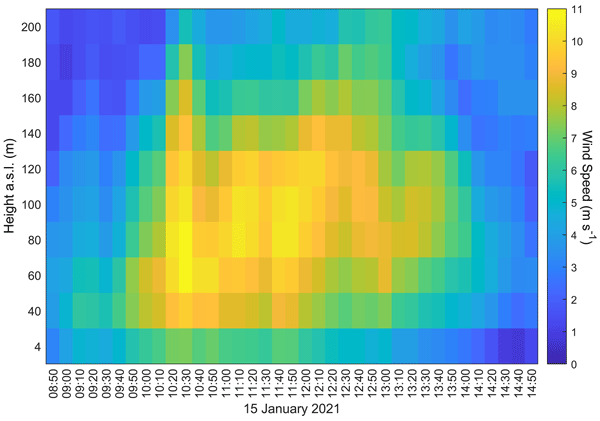
The truck-based Doppler lidar system was used during the American Wake Experiment (AWAKEN) to obtain the high-frequency, simultaneous measurements of the horizontal wind speed, direction, and vertical velocity from a moving platform. The paper presents the unique capability of the novel lidar system to characterize the temporal, vertical, and spatial variability in winds at various distances from operating turbines and obtain quantitative estimates of wind speed reduction in the waked flow.
Aliza Abraham, Matteo Puccioni, Arianna Jordan, Emina Maric, Nicola Bodini, Nicholas Hamilton, Stefano Letizia, Petra M. Klein, Elizabeth N. Smith, Sonia Wharton, Jonathan Gero, Jamey D. Jacob, Raghavendra Krishnamurthy, Rob K. Newsom, Mikhail Pekour, William Radünz, and Patrick Moriarty
Wind Energ. Sci., 10, 1681–1705, https://doi.org/10.5194/wes-10-1681-2025, https://doi.org/10.5194/wes-10-1681-2025, 2025
Short summary
Short summary
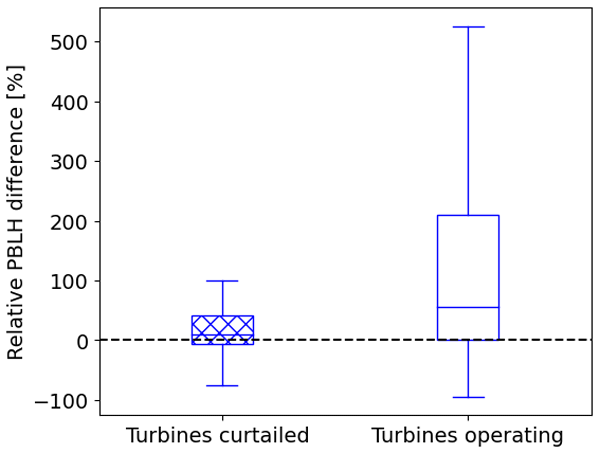
This study is the first to use real-world atmospheric measurements to show that large wind plants can increase the height of the planetary boundary layer, the part of the atmosphere near the surface where life takes place. The planetary boundary layer height governs processes like pollutant transport and cloud formation and is a key parameter for modeling the atmosphere. The results of this study provide important insights into interactions between wind plants and their local environment.
Lindsay M. Sheridan, Jiali Wang, Caroline Draxl, Nicola Bodini, Caleb Phillips, Dmitry Duplyakin, Heidi Tinnesand, Raj K. Rai, Julia E. Flaherty, Larry K. Berg, Chunyong Jung, Ethan Young, and Rao Kotamarthi
Wind Energ. Sci., 10, 1551–1574, https://doi.org/10.5194/wes-10-1551-2025, https://doi.org/10.5194/wes-10-1551-2025, 2025
Short summary
Short summary
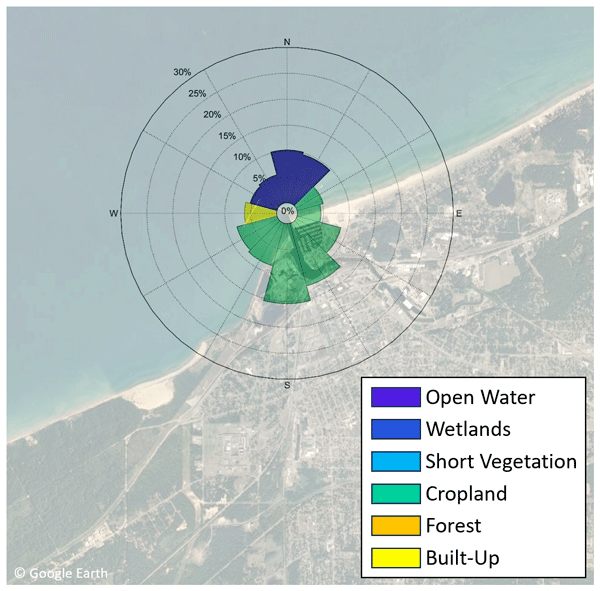
Three recent wind resource datasets are assessed for their skills in representing annual average wind speeds and seasonal, diurnal, and interannual trends in the wind resource in coastal locations to support customers interested in small and midsize wind energy.
Daphne Quint, Julie K. Lundquist, Nicola Bodini, and David Rosencrans
Wind Energ. Sci., 10, 1269–1301, https://doi.org/10.5194/wes-10-1269-2025, https://doi.org/10.5194/wes-10-1269-2025, 2025
Short summary
Short summary
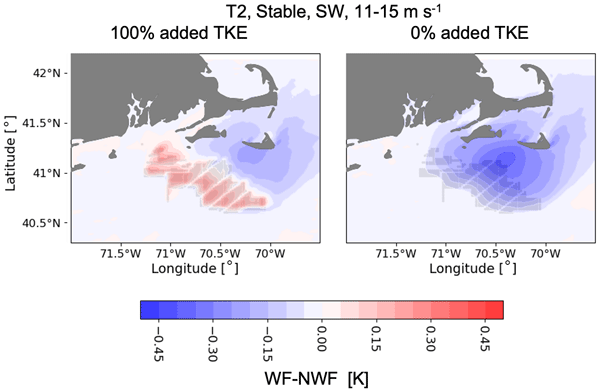
Offshore wind farms along the US East Coast can have limited effects on local weather. To study these effects, we include wind farms near Massachusetts and Rhode Island, and we test different amounts of turbulence in our model. We analyze changes in wind, temperature, and turbulence. Simulated effects on surface temperature and turbulence change depending on how much turbulence is added to the model. The extent of the wind farm wake depends on how deep the atmospheric boundary layer is.
Raghavendra Krishnamurthy, Rob K. Newsom, Colleen M. Kaul, Stefano Letizia, Mikhail Pekour, Nicholas Hamilton, Duli Chand, Donna Flynn, Nicola Bodini, and Patrick Moriarty
Wind Energ. Sci., 10, 361–380, https://doi.org/10.5194/wes-10-361-2025, https://doi.org/10.5194/wes-10-361-2025, 2025
Short summary
Short summary
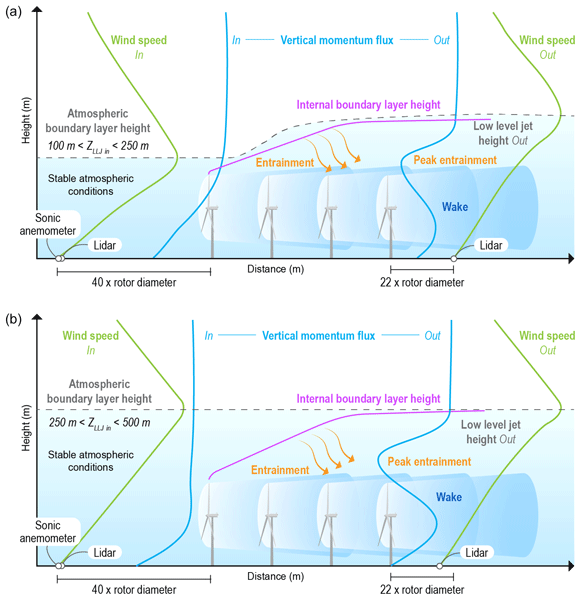
This study examines how atmospheric phenomena affect the recovery of wind farm wake – the disturbed air behind turbines. In regions like Oklahoma, where wind farms are often clustered, understanding wake recovery is crucial. We found that wind farms can alter phenomena like low-level jets, which are common in Oklahoma, by deflecting them above the wind farm. As a result, the impact of wakes can be observed up to 1–2 km above ground level.
David Rosencrans, Julie K. Lundquist, Mike Optis, and Nicola Bodini
Wind Energ. Sci., 10, 59–81, https://doi.org/10.5194/wes-10-59-2025, https://doi.org/10.5194/wes-10-59-2025, 2025
Short summary
Short summary
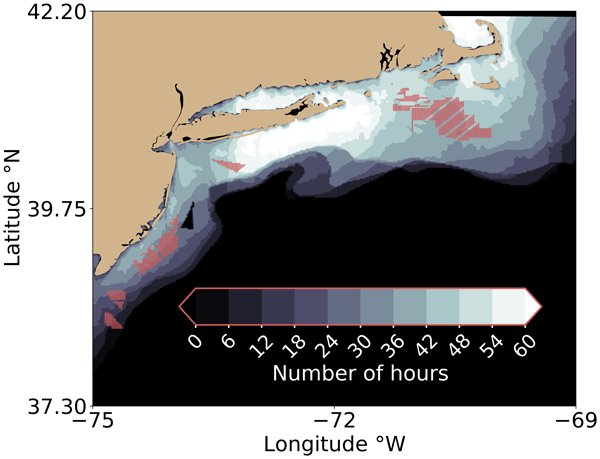
The US offshore wind industry is growing rapidly. Expansion into cold climates will subject turbines and personnel to hazardous icing. We analyze the 21-year icing risk for US east coast wind areas based on numerical weather prediction simulations and further assess impacts from wind farm wakes over one winter season. Sea spray icing at 10 m can occur up to 67 h per month. However, turbine–atmosphere interactions reduce icing hours within wind plant areas.
Nicola Bodini, Mike Optis, Stephanie Redfern, David Rosencrans, Alex Rybchuk, Julie K. Lundquist, Vincent Pronk, Simon Castagneri, Avi Purkayastha, Caroline Draxl, Raghavendra Krishnamurthy, Ethan Young, Billy Roberts, Evan Rosenlieb, and Walter Musial
Earth Syst. Sci. Data, 16, 1965–2006, https://doi.org/10.5194/essd-16-1965-2024, https://doi.org/10.5194/essd-16-1965-2024, 2024
Short summary
Short summary
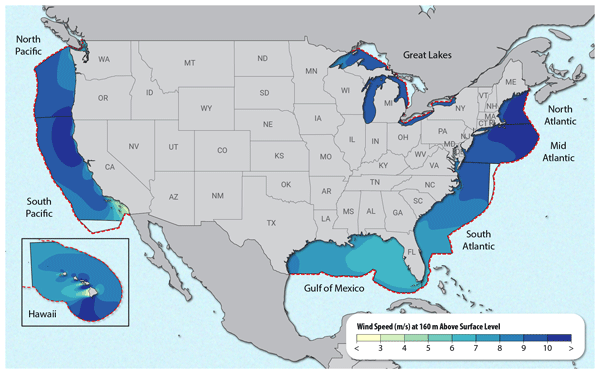
This article presents the 2023 National Offshore Wind data set (NOW-23), an updated resource for offshore wind information in the US. It replaces the Wind Integration National Dataset (WIND) Toolkit, offering improved accuracy through advanced weather prediction models. The data underwent regional tuning and validation and can be accessed at no cost.
Lindsay M. Sheridan, Raghavendra Krishnamurthy, William I. Gustafson Jr., Ye Liu, Brian J. Gaudet, Nicola Bodini, Rob K. Newsom, and Mikhail Pekour
Wind Energ. Sci., 9, 741–758, https://doi.org/10.5194/wes-9-741-2024, https://doi.org/10.5194/wes-9-741-2024, 2024
Short summary
Short summary
In 2020, lidar-mounted buoys owned by the US Department of Energy (DOE) were deployed off the California coast in two wind energy lease areas and provided valuable year-long analyses of offshore low-level jet (LLJ) characteristics at heights relevant to wind turbines. In addition to the LLJ climatology, this work provides validation of LLJ representation in atmospheric models that are essential for assessing the potential energy yield of offshore wind farms.
David Rosencrans, Julie K. Lundquist, Mike Optis, Alex Rybchuk, Nicola Bodini, and Michael Rossol
Wind Energ. Sci., 9, 555–583, https://doi.org/10.5194/wes-9-555-2024, https://doi.org/10.5194/wes-9-555-2024, 2024
Short summary
Short summary
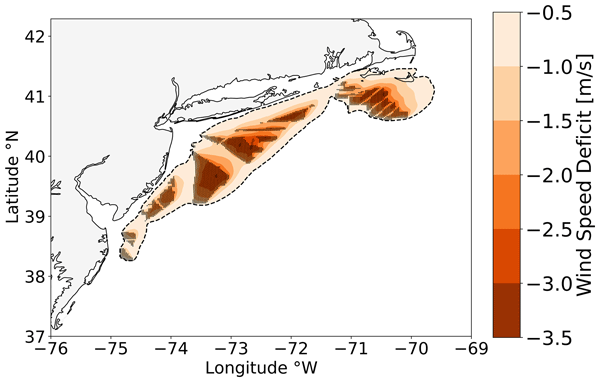
The US offshore wind industry is developing rapidly. Using yearlong simulations of wind plants in the US mid-Atlantic, we assess the impacts of wind turbine wakes. While wakes are the strongest and longest during summertime stably stratified conditions, when New England grid demand peaks, they are predictable and thus manageable. Over a year, wakes reduce power output by over 35 %. Wakes in a wind plant contribute the most to that reduction, while wakes between wind plants play a secondary role.
Nicola Bodini, Simon Castagneri, and Mike Optis
Wind Energ. Sci., 8, 607–620, https://doi.org/10.5194/wes-8-607-2023, https://doi.org/10.5194/wes-8-607-2023, 2023
Short summary
Short summary
The National Renewable Energy Laboratory (NREL) has published updated maps of the wind resource along all US coasts. Given the upcoming offshore wind development, it is essential to quantify the uncertainty that comes with the modeled wind resource data set. The paper proposes a novel approach to quantify this numerical uncertainty by leveraging available observations along the US East Coast.
Alex Rybchuk, Timothy W. Juliano, Julie K. Lundquist, David Rosencrans, Nicola Bodini, and Mike Optis
Wind Energ. Sci., 7, 2085–2098, https://doi.org/10.5194/wes-7-2085-2022, https://doi.org/10.5194/wes-7-2085-2022, 2022
Short summary
Short summary
Numerical weather prediction models are used to predict how wind turbines will interact with the atmosphere. Here, we characterize the uncertainty associated with the choice of turbulence parameterization on modeled wakes. We find that simulated wind speed deficits in turbine wakes can be significantly sensitive to the choice of turbulence parameterization. As such, predictions of future generated power are also sensitive to turbulence parameterization choice.
Vincent Pronk, Nicola Bodini, Mike Optis, Julie K. Lundquist, Patrick Moriarty, Caroline Draxl, Avi Purkayastha, and Ethan Young
Wind Energ. Sci., 7, 487–504, https://doi.org/10.5194/wes-7-487-2022, https://doi.org/10.5194/wes-7-487-2022, 2022
Short summary
Short summary
In this paper, we have assessed to which extent mesoscale numerical weather prediction models are more accurate than state-of-the-art reanalysis products in characterizing the wind resource at heights of interest for wind energy. The conclusions of our work will be of primary importance to the wind industry for recommending the best data sources for wind resource modeling.
Nicola Bodini, Weiming Hu, Mike Optis, Guido Cervone, and Stefano Alessandrini
Wind Energ. Sci., 6, 1363–1377, https://doi.org/10.5194/wes-6-1363-2021, https://doi.org/10.5194/wes-6-1363-2021, 2021
Short summary
Short summary
We develop two machine-learning-based approaches to temporally extrapolate uncertainty in hub-height wind speed modeled by a numerical weather prediction model. We test our approaches in the California Outer Continental Shelf, where a significant offshore wind energy development is currently being planned, and we find that both provide accurate results.
Filippo Campagnolo, Hamit Doruk Aktan, Davide Bortolin, Simone Tamaro, Franz V. Mühle, and Carlo L. Bottasso
Wind Energ. Sci., 11, 4005–4040, https://doi.org/10.5194/wes-11-4005-2026, https://doi.org/10.5194/wes-11-4005-2026, 2026
Short summary
Short summary
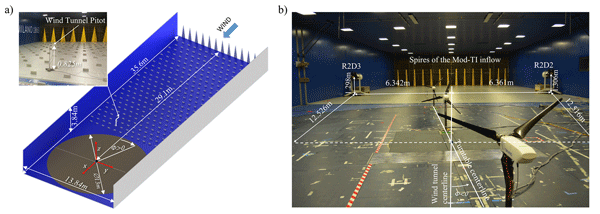
This paper presents an open-access wind-tunnel dataset of actuated, scaled wind turbines with time-resolved measurements of loads, actuator commands, inflow conditions, and wakes. It covers multiple wake-control strategies (yaw steering, derating, Helix, dynamic yaw, Pulse, pitch control). Combined with numerical models, the dataset enables benchmarking, controller analysis, and validation of aeroelastic and wake models for wind farm control research.
Adrien Guilloré, Andreas Vad, Filippo Campagnolo, and Carlo L. Bottasso
Wind Energ. Sci. Discuss., https://doi.org/10.5194/wes-2026-191, https://doi.org/10.5194/wes-2026-191, 2026
Preprint under review for WES
Short summary
Short summary
Accurate wind turbine load prediction is essential for wind farm design, optimization, and control. This study addresses both the design and implementation of location-agnostic, control-oriented load surrogate models. A key finding is that a finite level of physical complexity is sufficient for a general model to achieve converged performance. The results provide practical guidelines for reliable, computationally efficient fatigue load prediction across different implementation environments.
Abhinav Anand, Robert Braunbehrens, Adrien Guilloré, and Carlo L. Bottasso
Wind Energ. Sci., 11, 3949–3981, https://doi.org/10.5194/wes-11-3949-2026, https://doi.org/10.5194/wes-11-3949-2026, 2026
Short summary
Short summary
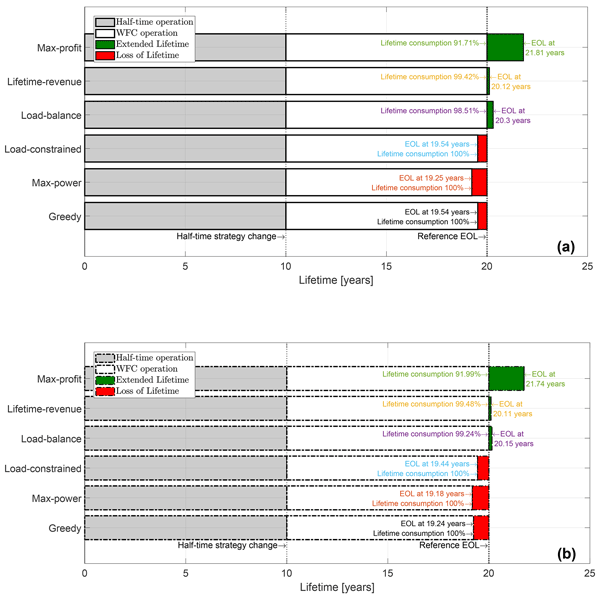
We present a new method for wind farm control based on the optimization of an economic cost function that accounts for revenue from power production and cost due to operation and maintenance. The new formulation also includes constraints to ensure a desired lifetime duration. The application to relevant scenarios shows consistently improved profit when compared to alternative formulations from the recent literature.
Serena Lipari, Raghavendra Krishnamurthy, Bianca Adler, Laura Bianco, Nicola Bodini, Matthis Chabert d'Hières, Harindra J. S. Fernando, Robert Jackson, Michael Kieburtz, Anthony Kirincich, Stefano Letizia, Julie K. Lundquist, Paytsar Muradyan, Rob K. Newsom, Joseph O'Brien, Sujan Pal, Mikhail Pekour, David D. Turner, Sonia Wharton, and Seth Zippel
EGUsphere, https://doi.org/10.5194/egusphere-2026-5984, https://doi.org/10.5194/egusphere-2026-5984, 2026
This preprint is open for discussion and under review for Atmospheric Measurement Techniques (AMT).
Short summary
Short summary
Wind energy and weather forecasts depend on knowing how winds change with height. We combined laser, radar, and tower measurements to map winds and their fluctuations every ten minutes, using 19 months of observations at four coastal sites in the northeastern United States. In fog, which limits laser measurements, median data availability at 100–300 meters was 94.5% at a site with radar, compared with 39.3% at a site using only lasers. The method and dataset are freely available.
Matteo Baricchio, Samuel Kainz, Jan-Willem van Wingerden, and Carlo L. Bottasso
Wind Energ. Sci. Discuss., https://doi.org/10.5194/wes-2026-178, https://doi.org/10.5194/wes-2026-178, 2026
Preprint under review for WES
Short summary
Short summary
Layout and control of wind farms are traditionally optimized sequentially for economic objectives, often overlooking environmental impacts. This study investigates the effect of introducing a carbon-related objective into layout, control, and layout-control co-design optimization. Results for a large-scale offshore wind farm show that using an environmental objective can achieve economic performance comparable to that of conventional economic optimization, while the resulting layouts may differ.
Nicola Bodini, Emina Maric, Ulrike Egerer, Grant Buster, Luke Lavin, Pavlo Pinchuk, Brandon Benton, and David D. Turner
Wind Energ. Sci., 11, 3919–3948, https://doi.org/10.5194/wes-11-3919-2026, https://doi.org/10.5194/wes-11-3919-2026, 2026
Short summary
Short summary
To plan a reliable United States power grid, engineers need continuous weather data. Because the previous standard record ended in 2013, we created a new, easy-to-use weather database by repackaging complex weather forecasting models onto the same historical grid. We compared our data against real-world observations nationwide, finding it is highly accurate. This provides a seamless, reliable new standard to help plan the future of our national energy system.
Maarten Paul van der Laan and Simon Watson
Wind Energ. Sci., 11, 3763–3774, https://doi.org/10.5194/wes-11-3763-2026, https://doi.org/10.5194/wes-11-3763-2026, 2026
Short summary
Short summary
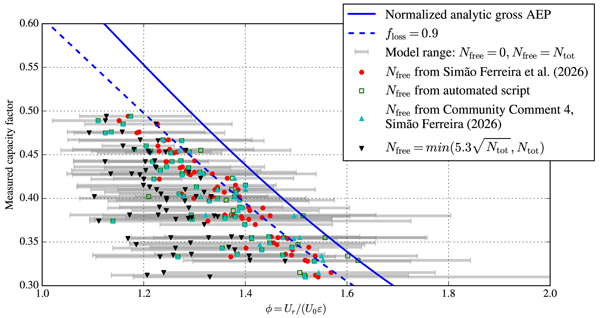
A theoretical limit for the energy extraction of offshore wind farms has been suggested by Simão Ferreira et al. (2026) based on a simple model of an infinite wind farm and an ad hoc method to correct the model for application to finite wind farms. In this work, we discuss a number of concerns and we conclude that the limit proposed in Simão Ferreira et al. (2026) is not a theoretical limit but rather a limit supported by the non-reproducible finite wind farm correction.
Nikolas Angelou and Camille Dubreuil-Boisclair
Wind Energ. Sci., 11, 3745–3762, https://doi.org/10.5194/wes-11-3745-2026, https://doi.org/10.5194/wes-11-3745-2026, 2026
Short summary
Short summary
We examined how variations in vertical wind profiles influence floating offshore wind turbines. Using data from a turbine in Scotland, we found that wind speed can change unexpectedly with height. These conditions occur frequently and, if not fully characterized, can complicate power curve verification. Our findings highlight the fact that measuring wind across the entire rotor using nacelle-mounted lidars is essential for improving performance assessment and turbine efficiency.
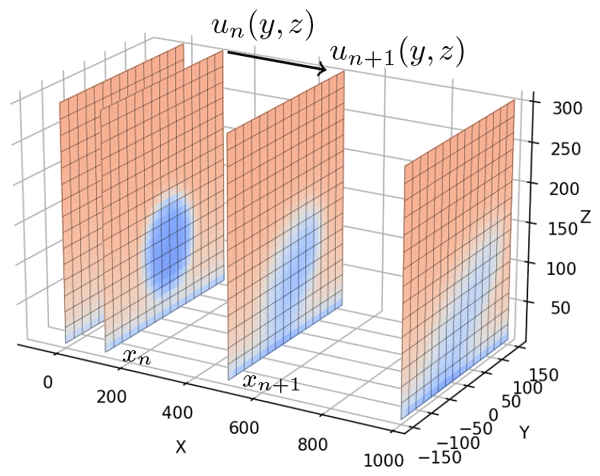
Lawrence Cheung, Prakash Mohan, Marc T. Henry de Frahan, Gopal R. Yalla, Alan Hsieh, Kenneth Brown, Nathaniel deVelder, Sam Kaufman-Martin, Marc Day, and Michael Sprague
Wind Energ. Sci., 11, 3719–3743, https://doi.org/10.5194/wes-11-3719-2026, https://doi.org/10.5194/wes-11-3719-2026, 2026
Short summary
Short summary
Modeling turbine wakes is critical to maximizing wind farm energy production but is also challenging due to the complicated phenomena that must be accounted for, including wind shear, veer, atmospheric stratification, and overlapping wakes. Our work introduces a new, efficient method of modeling wakes which naturally captures these complex wake behaviors. We show that our wake modeling approach is as accurate as higher-fidelity methods, but with much less computational cost.
Hadi Hoghooghi and Carlo L. Bottasso
Wind Energ. Sci. Discuss., https://doi.org/10.5194/wes-2026-156, https://doi.org/10.5194/wes-2026-156, 2026
Preprint under review for WES
Short summary
Short summary
Wind turbines operate under changing weather conditions, making it difficult to accurately estimate structural stress. This study improves a digital model by combining engineering knowledge with learning from real turbine measurements. The new approach significantly reduced prediction errors and remained reliable across different conditions. More accurate load estimates can support better turbine monitoring and maintenance planning.
Bianca Adler, Laura Bianco, David D. Turner, Joseph Olson, Xia Sun, Joshua Gebauer, Nicola Bodini, Stefano Letizia, and James M. Wilczak
Geosci. Model Dev., 19, 8627–8649, https://doi.org/10.5194/gmd-19-8627-2026, https://doi.org/10.5194/gmd-19-8627-2026, 2026
Short summary
Short summary
Accurate operational forecasts of temperature and wind in the coastal marine boundary layer are important for a wide range of applications. Leveraging data that were collected along the United States northeast coast during a multi-year period for the Third Wind Forecast Improvement project, we investigated the performance of the operational forecast model and identified systematic errors in wind and temperature forecasts that are now being addressed by the model developers.
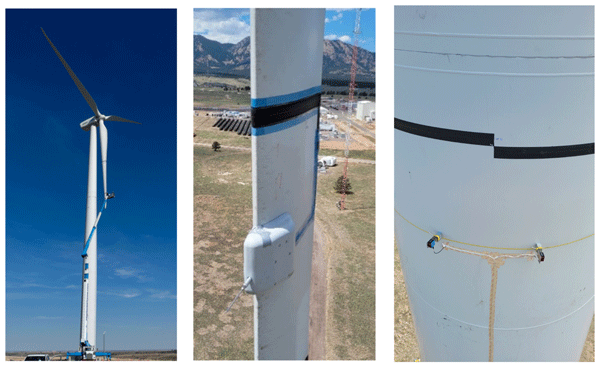
Helge Aagaard Madsen, Pietro Bortolotti, Thanasis Barlas, Pourya Nikoueeyan, Christopher Kelley, Claus Brian Munk Pedersen, Per Hansen, Andreas Fischer, Chris Ivanov, Jason Roadman, Jonathan Naughton, Kenneth Brown, Mark Iverson, and Simon Thao
Wind Energ. Sci., 11, 3337–3357, https://doi.org/10.5194/wes-11-3337-2026, https://doi.org/10.5194/wes-11-3337-2026, 2026
Short summary
Short summary
We present a detailed experimental investigation of the flow details of the blade/tower interaction (BTI) on a 1.5 MW wind turbine operating in a downwind configuration. The objective is to clarify some of the most important barriers for the downwind turbine concept linked to the impulsive loading from the blade/tower interaction generating low-frequency noise and increased loading. Unique instrumentation was used, comprising two extruded pressure belts on one of the blades and on the tower.
Nicola Bodini, Grant Buster, and David D. Turner
Earth Syst. Sci. Data Discuss., https://doi.org/10.5194/essd-2026-680, https://doi.org/10.5194/essd-2026-680, 2026
Preprint under review for ESSD
Short summary
Short summary
Alaska's power systems depend on weather, yet weather stations there are few and far between. We turned seven years of hourly output from a national weather forecast model into an easy-to-use record of wind and temperature across Alaska, and checked it against measurements from more than 150 sites. The data generally match observations well, and are freely available to support energy planning, resilient power grids, and artificial intelligence research in this remote region.
Nicolas G. Alonso-de-Linaje, Andrea N. Hahmann, and Alfredo Peña
Wind Energ. Sci. Discuss., https://doi.org/10.5194/wes-2026-143, https://doi.org/10.5194/wes-2026-143, 2026
Preprint under review for WES
Short summary
Short summary
Offshore wind farms create wind shadows that reduce energy for nearby farms. Traditional weather simulations require weeks of computing time, making extensive testing impractical. We developed a fast tool that estimates these wind shadows in seconds using turbine positions and local wind data. It closely matches detailed simulations for current and future North Sea layouts and is applicable in the Baltic Sea, enabling planners to evaluate many options quickly.
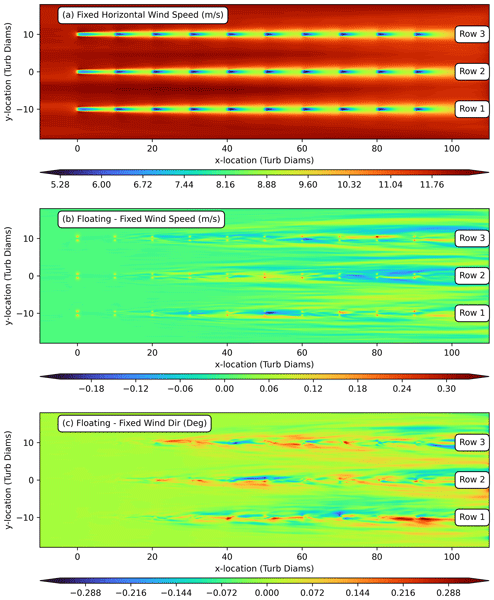
Juan M. Restrepo, Matthew Norman, Stuart Slattery, Lawrence Cheung, and Yihan Liu
Wind Energ. Sci., 11, 2915–2938, https://doi.org/10.5194/wes-11-2915-2026, https://doi.org/10.5194/wes-11-2915-2026, 2026
Short summary
Short summary
A comparison between the power generated by a 5 MW turbine mounted on a tension-leg platform and subjected to fully developed ocean wave movements, and the same platform/turbine not subjected to ocean motions shows that these wave motions have little effect on time-average power output over a large wind speed range.
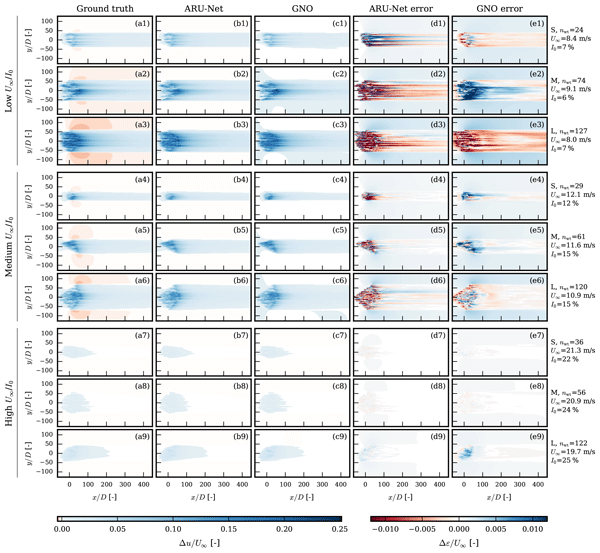
Jens Peter Schøler, Frederik Peder Weilmann Rasmussen, M. Paul van der Laan, Alfredo Peña, and Pierre-Elouan Réthoré
Wind Energ. Sci., 11, 2869–2893, https://doi.org/10.5194/wes-11-2869-2026, https://doi.org/10.5194/wes-11-2869-2026, 2026
Short summary
Short summary
As offshore wind farms are built closer together, predicting how they affect each other becomes critical. We compared two AI approaches for this task, training both on cheap approximate data before refining them with expensive high-accuracy simulations. One predicts wake boundaries better, while the other estimates wind speeds more accurately, offering complementary tools for future wind farm design.
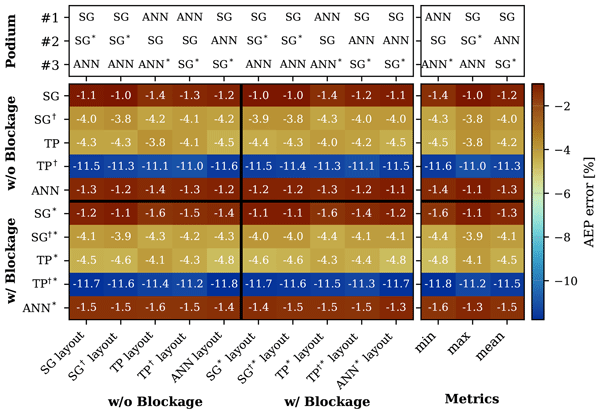
Jens Peter Schøler, Ernestas Simutis, M. Paul van der Laan, Julian Quick, and Pierre-Elouan Réthoré
Wind Energ. Sci., 11, 2845–2868, https://doi.org/10.5194/wes-11-2845-2026, https://doi.org/10.5194/wes-11-2845-2026, 2026
Short summary
Short summary
Wind turbines create wakes, which reduce downstream power. Optimizing turbine placement requires accounting for these reductions. We compared a neural network trained on numerical simulations against engineering wake models across various farm sizes. The neural network predicted flow most accurately but was slower. Surprisingly, a simple TurbOPark model produced layouts with higher validated energy output, suggesting that accuracy is not the only important metric for such models.
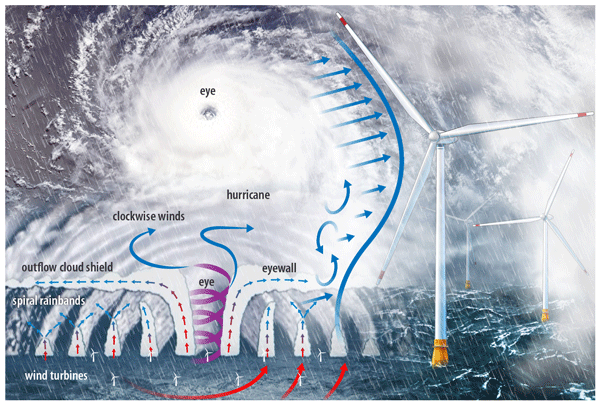
Georgios Deskos, Jiali Wang, Sanjay Arwade, Murray Fisher, Brian Hirth, Xiaoli Guo Larsén, Julie K. Lundquist, Andrew Myers, Weichiang Pang, William J. Pringle, Robert Rogers, Miguel Sanchez-Gomez, Chao Sun, Atsushi Yamaguchi, and Paul Veers
Wind Energ. Sci., 11, 2749–2782, https://doi.org/10.5194/wes-11-2749-2026, https://doi.org/10.5194/wes-11-2749-2026, 2026
Short summary
Short summary
Wind energy is expanding into regions exposed to tropical cyclones, where extreme winds and waves can damage turbines and disrupt energy production. We reviewed observations, simulations, engineering standards, and risk quantification frameworks to identify the most important gaps. Today's design rules, originally built for milder storms, do not capture cyclone hazards. Closing these gaps requires better offshore measurements, improved models, and risk-informed design standards.
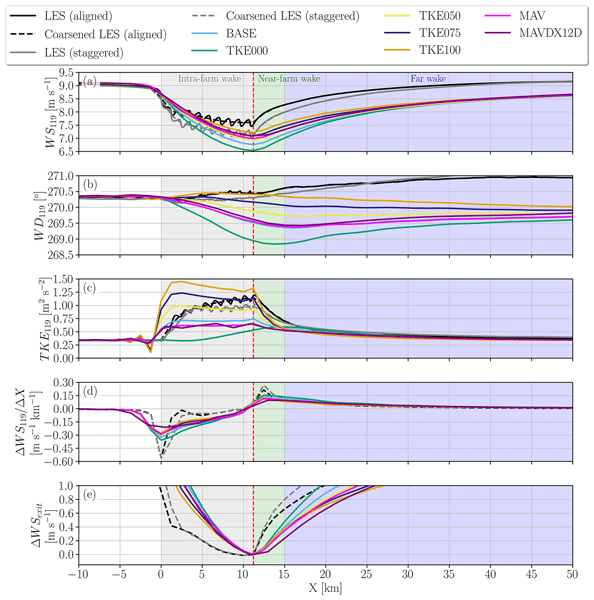
William C. Radünz, Jens H. Kasper, Richard J. A. M. Stevens, and Julie K. Lundquist
Wind Energ. Sci., 11, 2723–2747, https://doi.org/10.5194/wes-11-2723-2026, https://doi.org/10.5194/wes-11-2723-2026, 2026
Short summary
Short summary
Wind farms extract energy from the wind, creating slower, more turbulent flows that can affect other farms downstream. Using high-fidelity simulations for comparison, we find that mesoscale simulations that parameterize wind farms at coarser resolution may underestimate how quickly the wind recovers downstream. This slow recovery results from missing sharp wind gradients and low turbulence. Improving these aspects can help better predict wind energy production over long distances.
Adam S. Wise, Harish Gopalan, Aaron M. Lattanzi, Ann S. Almgren, David Wiersema, Akshay Gowardhan, Soonpil Kang, Jeffrey D. Mirocha, David J. Gardner, and Katherine A. Lundquist
EGUsphere, https://doi.org/10.5194/egusphere-2026-4030, https://doi.org/10.5194/egusphere-2026-4030, 2026
Short summary
Short summary
Fast and accurate models of how wind and hazardous materials move throughout cities and suburban areas are needed for emergency response. This article describes a new method for representing buildings in the exascale Energy Research and Forecasting model for accelerated, high-fidelity urban dispersion modeling. We validate the capability using realistic data from a field experiment conducted in Oklahoma City and examine assess accuracy and speed tradeoffs for different model configurations.

Maarten Paul van der Laan, Alexander Meyer Forsting, and Pierre-Elouan Réthoré
Wind Energ. Sci., 11, 2647–2668, https://doi.org/10.5194/wes-11-2647-2026, https://doi.org/10.5194/wes-11-2647-2026, 2026
Short summary
Short summary
Wind turbine interaction can lead to energy losses. This article introduces a fast open-source wind turbine interaction model that can be used to design energy-efficient wind farms, including effects of atmospheric turbulence and temperature. The model can inherit the accuracy of a higher-fidelity model while being about 5 orders of magnitude faster. However, the model is an order of magnitude slower than analytic wind turbine interaction models, and more research is needed to reduce it.
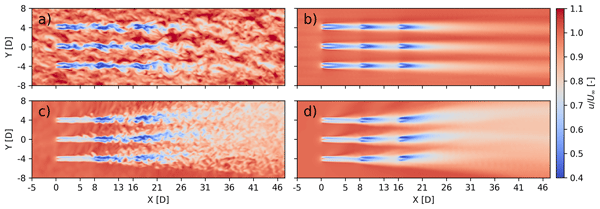
Adam S. Wise, Robert S. Arthur, Jeffrey D. Mirocha, Julie K. Lundquist, and Fotini K. Chow
Wind Energ. Sci., 11, 2543–2565, https://doi.org/10.5194/wes-11-2543-2026, https://doi.org/10.5194/wes-11-2543-2026, 2026
Short summary
Short summary
At night, wind farms can experience a wide range of intermittent wind events that can affect how much power is produced. We modeled a specific type of intermittent wind event that happens as the atmosphere gets colder and colder throughout a night. We identified a threshold to determine when these events impact wind farms and ultimately found that mainly the front of a wind farm tends to be most impacted by these sorts of events.
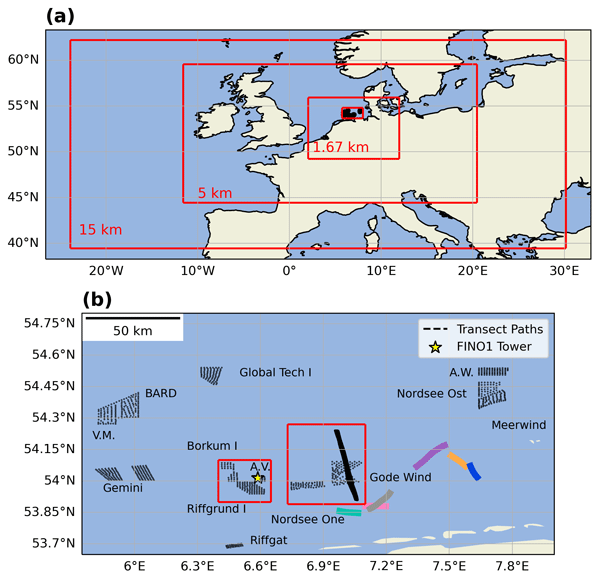
Nathan J. Agarwal, Julie K. Lundquist, Timothy W. Juliano, and Alex Rybchuk
Wind Energ. Sci., 11, 2369–2403, https://doi.org/10.5194/wes-11-2369-2026, https://doi.org/10.5194/wes-11-2369-2026, 2026
Short summary
Short summary
Models of wind behavior inform offshore wind farm site investment decisions. Here we compare a newly developed model to another, historically used model based on how these models represent winds and turbulence at two North Sea sites. The best model depends on the site. While the older model performs best at the site above a wind farm, the newer model performs best at the site that is at the same altitude as the wind farm. We support using the new model to represent winds at the turbine level.
Valeria Vasquez-Barros, Nicola Bodini, Seth Zippel, Anthony Kirincich, and Julie K. Lundquist
Wind Energ. Sci. Discuss., https://doi.org/10.5194/wes-2026-115, https://doi.org/10.5194/wes-2026-115, 2026
Preprint under review for WES
Short summary
Short summary
Offshore wind turbines operate more than 100 meters above the ocean, but atmospheric conditions are often measured only near the sea surface. Using observations from an offshore research platform, we found that surface measurements frequently do not represent the conditions experienced by turbines because the lower atmosphere can become decoupled. These results highlight the need for measurements throughout the turbine height to improve wind energy forecasting and operations.
Lindsay M. Sheridan, Raghavendra Krishnamurthy, Tien Manh Nguyen, Yi-Leng Chen, William I. Gustafson Jr., Ye Liu, Feng Hsiao, Rob K. Newsom, Preston Spicer, Evgueni Kassianov, Mikhail Pekour, Nicola Bodini, and Mark Severy
Wind Energ. Sci., 11, 2257–2285, https://doi.org/10.5194/wes-11-2257-2026, https://doi.org/10.5194/wes-11-2257-2026, 2026
Short summary
Short summary
Wind simulations can contain significant errors, which can lead to inaccurate estimates of wind energy generation. Using observations from a floating lidar off Hawai'i, we hypothesize and establish that distinct simulation datasets will exhibit diverse ranges of errors in this offshore environment. The most commonly used simulation dataset produces the largest wind speed biases due to underestimation of fast wind speeds and misrepresentation of how wind speed varies throughout the day and night.
Carlo Rosario Sucameli, Marta Bertelè, Robert Braunbehrens, Filippo Campagnolo, Simone Tamaro, Paul Hulsman, and Carlo Luigi Bottasso
Wind Energ. Sci. Discuss., https://doi.org/10.5194/wes-2026-93, https://doi.org/10.5194/wes-2026-93, 2026
Preprint under review for WES
Short summary
Short summary
Wind turbines extract energy by slowing the air, so downstream turbines receive less wind and produce less power, a phenomenon called wake. Wind is not uniform: it varies in both speed and direction with height, also affecting downstream turbines. Using a year of measurements and simulations, we found that both effects influence the power production of downstream turbines by pushing the air sideways. We built improved models to capture these effects, enabling better wind farm control strategies.
Hadi Hoghooghi and Carlo L. Bottasso
Wind Energ. Sci. Discuss., https://doi.org/10.5194/wes-2026-102, https://doi.org/10.5194/wes-2026-102, 2026
Manuscript not accepted for further review
Short summary
Short summary
Reliable wind turbine fatigue load estimates are key to assessing structural integrity and service life. This study integrates a simplified simulation model with machine learning to enhance predictions while protecting industrial design confidentiality. It achieves DEL errors under 5 % across varied conditions and performs well on simulated and field data, supporting improved monitoring, maintenance, and lifetime assessment.
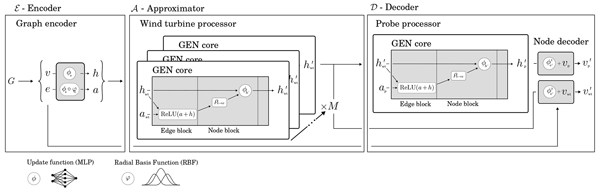
Jens Peter Schøler, Frederik Peder Weilmann Rasmussen, Julian Quick, and Pierre-Elouan Réthoré
Wind Energ. Sci., 11, 2229–2256, https://doi.org/10.5194/wes-11-2229-2026, https://doi.org/10.5194/wes-11-2229-2026, 2026
Short summary
Short summary
We propose a machine learning model that represents wind turbines as nodes in a graph, learning how they interact to predict the wind speed at any location on a farm. Trained on thousands of simulated farms, it captures complex wake interactions across varying layouts and sizes at low computational cost, supporting faster neighboring farm wake assessment.
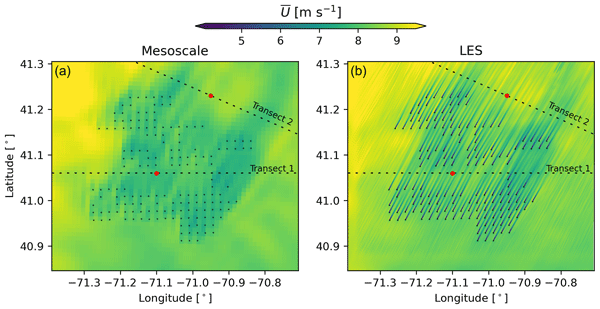
Miguel Sanchez-Gomez, Georgios Deskos, Mike Optis, Julie K. Lundquist, Michael Sinner, Geng Xia, and Walter Musial
Wind Energ. Sci., 11, 2009–2036, https://doi.org/10.5194/wes-11-2009-2026, https://doi.org/10.5194/wes-11-2009-2026, 2026
Short summary
Short summary
Mesoscale simulations with the Fitch wind farm parameterization were compared to large-domain large-eddy simulations for three planned offshore wind farms under varied atmospheric conditions. Mesoscale runs captured key wake deficit patterns and stability effects in the wind farm wake evolution but underestimated power losses from internal wakes, especially in aligned winds or stable conditions. Results highlight mesoscale strengths for large-scale wakes and limits for turbine-level losses.
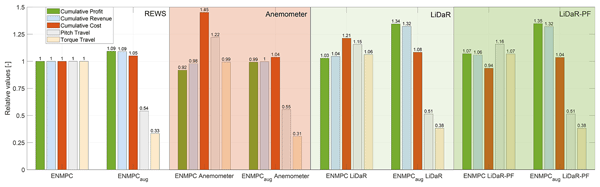
Abhinav Anand and Carlo L. Bottasso
Wind Energ. Sci., 11, 1989–2008, https://doi.org/10.5194/wes-11-1989-2026, https://doi.org/10.5194/wes-11-1989-2026, 2026
Short summary
Short summary
We formulate a controller for wind turbines that has three main characteristics. First, it optimizes profit by balancing revenue from power generation with cost. Second, cost includes the effects of cyclic fatigue that, departing from most of the existing literature on control, is rigorously accounted for by an exact cycle counting on receding horizons. Third, it uses a model capable of learning and improving its performance based on measured or synthetic data.
Michele Sergio Campobasso, Alessio Castorrini, David Bretos, Beatriz Mendez, David C. Maniaci, Johannes N. Theron, Alexander Meyer Forsting, Niels Nørmark Sørensen, Kisorthman Vimalakanthan, Marco Caboni, Ruben Gutierrez, Yana Gorbachova, Aya Aihara, and Francesco Grasso
Wind Energ. Sci. Discuss., https://doi.org/10.5194/wes-2026-89, https://doi.org/10.5194/wes-2026-89, 2026
Preprint under review for WES
Short summary
Short summary
We assess against wind tunnel data the predictions of aerodynamics codes used in industry and research of wind turbine airfoil performance loss due to leading edge degradation. Predictions are close to measurements for moderate surface degradation. At severe degradation, differences among predictions increase due to user model and subjectivity in detailed set-up. Also quantified is the impact of airfoil performance variability on wind turbine energy losses, providing detailed sensitivity data.
Nicola Bodini, Joseph Olson, Brian Gaudet, Giacomo Valerio Iungo, Mojtaba Shams Solari, Sayahnya Roy, Julie K. Lundquist, Nathan Agarwal, Timothy A. Myers, Bianca Adler, Jeffrey D. Mirocha, Eric James, Laura Bianco, James M. Wilczak, and David D. Turner
Wind Energ. Sci., 11, 1949–1961, https://doi.org/10.5194/wes-11-1949-2026, https://doi.org/10.5194/wes-11-1949-2026, 2026
Short summary
Short summary
To improve offshore wind forecasts, the Third Wind Forecast Improvement Project monitored the United States east coast for 18 months. We compiled a daily log of weather events using advanced scanners and expert notes. This public dataset identifies important wind patterns, helping scientists test computer models and choose specific cases to study.
Tianxia Jia, Mike Optis, Adam H. Monahan, and Slim Ibrahim
Wind Energ. Sci. Discuss., https://doi.org/10.5194/wes-2026-87, https://doi.org/10.5194/wes-2026-87, 2026
Preprint under review for WES
Short summary
Short summary
Wind farms can reduce each other's power generation by slowing the wind downwind, but testing many possible layouts with detailed weather simulation is slow and costly. We trained artificial intelligence models to learn from detailed simulations and quickly estimate power for new layouts. The models gave accurate results for unseen layouts, and some also estimated generation uncertainty. This can help planners compare wind farm design faster at lower cost, and with clearer information about risk
Sinem Uluocak, Andreas Rott, Alfredo Peña, and Martin Kühn
EGUsphere, https://doi.org/10.5194/egusphere-2026-825, https://doi.org/10.5194/egusphere-2026-825, 2026
This preprint is open for discussion and under review for Atmospheric Measurement Techniques (AMT).
Short summary
Short summary
Wind lidar turbulence measurements are limited by large probe volume of lidar, which attenuates turbulence scales smaller than the probe volume. This process is known as probe volume averaging. This wind tunnel study enabled an experimental investigation of probe volume averaging for the first time, using 32 distinct probe volumes over integral length scale ratios. The study demonstrated the capability of lidar to measure along-wind turbulence statistics.
Øyvind Waage Hanssen-Bauer, Paula Doubrawa, Helge A. Madsen, Henrik Asmuth, Jason Jonkman, Gunner C. Larsen, Stefan Ivanell, and Roy Stenbro
Wind Energ. Sci., 11, 1913–1948, https://doi.org/10.5194/wes-11-1913-2026, https://doi.org/10.5194/wes-11-1913-2026, 2026
Short summary
Short summary
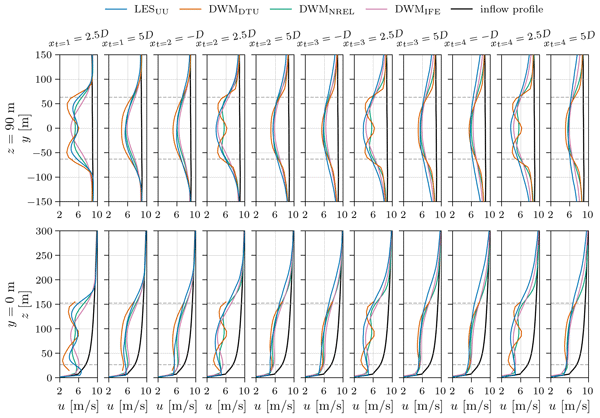
We studied how different industry-oriented computer models predict the behavior of winds behind turbines in a wind farm. These
wakesreduce energy output and can affect turbines further down the row. By comparing these three models with more detailed simulations, we found they agree well on overall power but differ in how they capture turbulence and wear on machines. Our results show where the models need improvement to make wind farm computer models more accurate and reliable in the future.
Xiaoli Guo Larsén, Marc Imberger, and Rogier Floors
Wind Energ. Sci., 11, 1853–1869, https://doi.org/10.5194/wes-11-1853-2026, https://doi.org/10.5194/wes-11-1853-2026, 2026
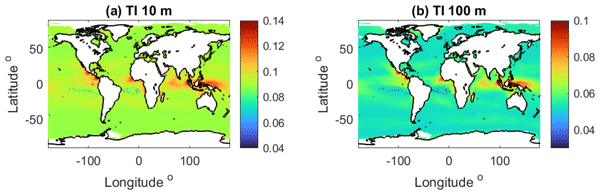
Short summary
Short summary
This study delivers a method and datasets for a global offshore atlas for turbulence intensity from a height of 10 m to 200 m. The method innovatively includes both two-dimensional and three-dimensional turbulence, along with stability, wave age and height. Results show satisfactory agreement with measurements and data from the literature.
Julia Steiner, Emily Louise Hodgson, Maarten Paul van der Laan, Leonardo Alcayaga, Mads Pedersen, Søren Juhl Andersen, Gunner Larsen, and Pierre-Elouan Réthoré
Wind Energ. Sci., 11, 1679–1703, https://doi.org/10.5194/wes-11-1679-2026, https://doi.org/10.5194/wes-11-1679-2026, 2026
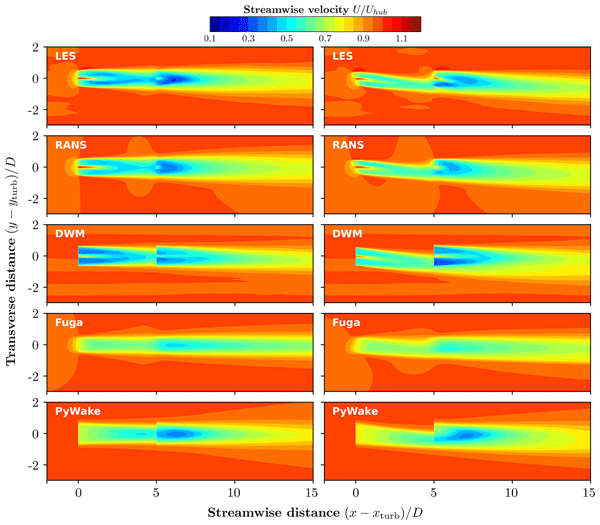
Short summary
Short summary
Wake steering is a promising strategy for wind farm optimization, but its success hinges on accurate wake models. We assess models of varying fidelity for a 22 MW reference turbine, comparing single- and two-turbine cases against large-eddy simulations. All models reproduced qualitative trends for power and loads (if applicable), but quantitative agreement varied, and in general the error increased with increasing yaw angle.
Aliza Abraham, Nicola Bodini, Nicholas Hamilton, Brian Hirth, John Schroeder, and Patrick Moriarty
Wind Energ. Sci. Discuss., https://doi.org/10.5194/wes-2026-82, https://doi.org/10.5194/wes-2026-82, 2026
Revised manuscript under review for WES
Short summary
Short summary
Thunderstorms can cause sudden changes in wind speed and direction called "wind ramps". While wind turbines are designed to withstand simplified versions of such wind ramps, this paper shows that real wind ramps are much more variable and complex than those prescribed in the design standard. This variability makes it difficult for wind farm operators to predict the conditions that each wind turbine will experience, adding uncertainty to the prediction of wind farm power.
Stefano Letizia, David D. Turner, Aliza Abraham, Luc Rochette, and Patrick J. Moriarty
Wind Energ. Sci., 11, 1653–1677, https://doi.org/10.5194/wes-11-1653-2026, https://doi.org/10.5194/wes-11-1653-2026, 2026
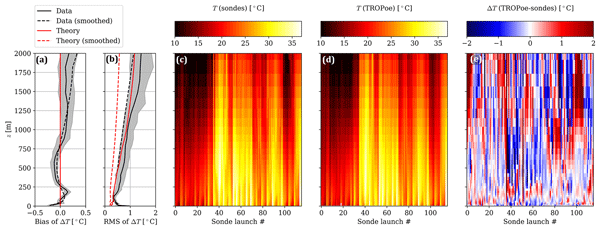
Short summary
Short summary
Characterizing the wind resource is much more than just measuring wind speeds. In fact, the physics of the atmosphere is governed by a complex interplay of different quantities, temperature being one of the most important. We used a new technology to remotely sense temperature profiles around wind farms at AWAKEN (American WAKE ExperimeNt). Here, we discuss the methodology and guide readers through a comprehensive, step-by-step validation effort to quantify the accuracy of temperature profiling for wind energy.
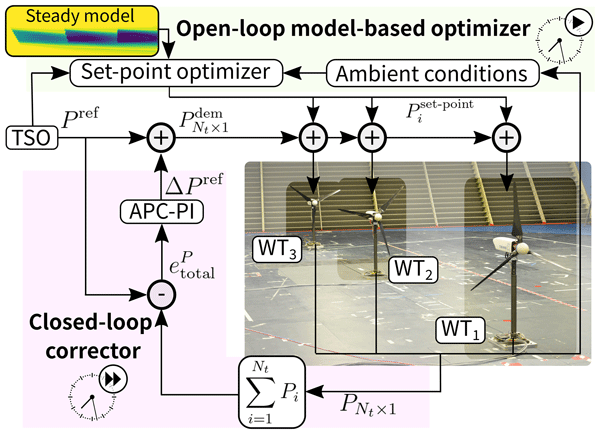
Simone Tamaro, Davide Bortolin, Filippo Campagnolo, Franz V. Mühle, and Carlo L. Bottasso
Wind Energ. Sci., 11, 1607–1630, https://doi.org/10.5194/wes-11-1607-2026, https://doi.org/10.5194/wes-11-1607-2026, 2026
Short summary
Short summary
This work presents the scaled experimental validation of an active power control (APC) algorithm that improves wind farm power-tracking accuracy during turbulent wind lulls. Tests in a large low-blockage wind tunnel, including dynamic wind-direction changes, show that the method outperforms three reference APC strategies, especially under high power demand, while keeping structural fatigue low.
Alex Rybchuk, Henrik Asmuth, Armin Haghshenas, Ásta Hannesdóttir, Jan Friedrich, Jaime Liew, Jennifer M. Rinker, Daniel R. Houck, Regis Thedin, and Patrick Moriarty
Wind Energ. Sci. Discuss., https://doi.org/10.5194/wes-2026-77, https://doi.org/10.5194/wes-2026-77, 2026
Preprint under review for WES
Short summary
Short summary
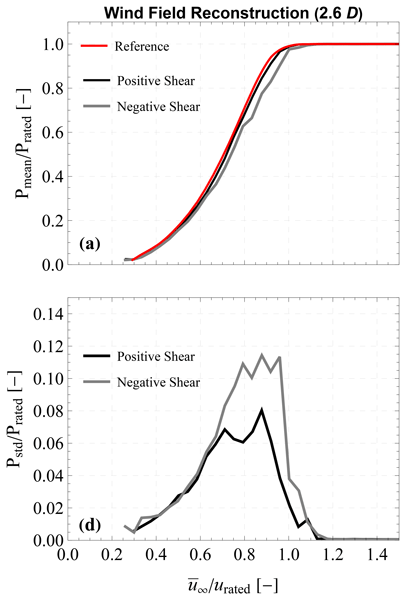
Wind turbine engineers use wind simulation tools as part of the design process. We conducted a benchmark study for these tools. We collected detailed wind data from two sets of environments (a field campaign and a research-grade simulation). We gave benchmark participants limited information about this data, and they used their wind simulation tools of choice to reconstruct the winds. We compared the output of the different simulation codes, identifying strengths and shortcomings.
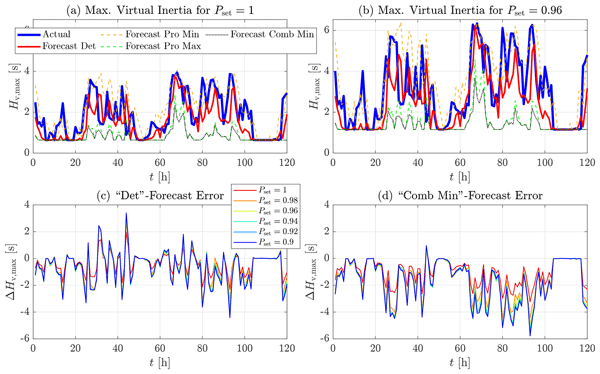
Andre Thommessen, Abhinav Anand, Carlo L. Bottasso, and Christoph M. Hackl
Wind Energ. Sci., 11, 1399–1428, https://doi.org/10.5194/wes-11-1399-2026, https://doi.org/10.5194/wes-11-1399-2026, 2026
Short summary
Short summary
We present a method to forecast inertia that accounts for wake effects in a wind farm. The approach is based on mapping forecasted site conditions to each single wind turbine in the farm through a wake model. The resulting inflow conditions are used to predict the inertia that the wind farm can provide to the grid, taking the wind turbine control strategies and operational limits into account.
Oscar García-Santiago, Jake Badger, Andrea N. Hahmann, Patrick J. H. Volker, Søren Ott, M. Paul van der Laan, and Mark Kelly
EGUsphere, https://doi.org/10.5194/egusphere-2026-2144, https://doi.org/10.5194/egusphere-2026-2144, 2026
Short summary
Short summary
We improve how weather models represent the turbulence generated by wind turbines within and behind wind farms. Rather than adding this turbulence only at grid squares with turbine locations, the new method transports it through the wake as it moves downwind. Tests against high-resolution simulations of an idealised wind farm showed better agreement in wake turbulence and more accurate reductions in wind speed, providing a more realistic picture of wake effects across the wind farm.
Marinos Manolesos, Sandrine Aubrun, Christian Bak, Paolo Bettini, Filippo Campagnolo, Alessandro Croce, Arslan Salim Dar, Michael Hölling, Stefan Ivanell, Konstantinos Kellaris, Miguel Alfonso Mendez, Pierluigi Montinari, Franz Mühle, George Papadakis, Fernardo Porté-Agel, Daniele Ragni, Sebastiano Randino, Andrea Sciacchitano, Lorenzo Schena, Gerard Schepers, Antonio Segalini, Wei Yu, and Carlo Luigi Bottasso
Wind Energ. Sci. Discuss., https://doi.org/10.5194/wes-2026-51, https://doi.org/10.5194/wes-2026-51, 2026
Manuscript not accepted for further review
Short summary
Short summary
As wind turbines grow to unprecedented sizes, ensuring their reliability requires advanced testing. We reviewed the current state of wind tunnel experiments, examining how scaled physical models are evaluated for wind flow, flexibility, and noise. We conclude that while laboratory testing remains essential, it is most powerful when integrated with computer simulations and real-world data. This combined approach will ultimately drive the design of more efficient and sustainable wind energy.
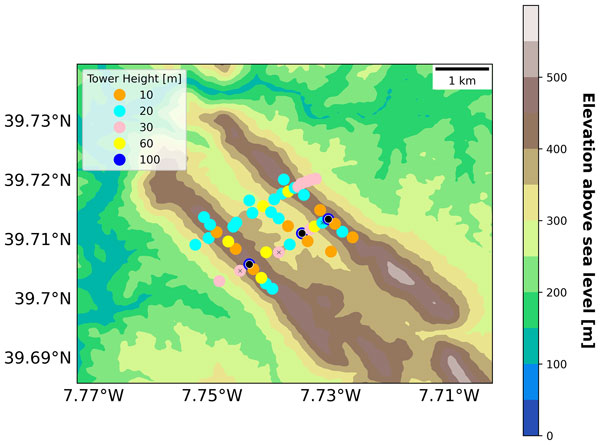
Nathan J. Agarwal and Julie K. Lundquist
Wind Energ. Sci., 11, 883–910, https://doi.org/10.5194/wes-11-883-2026, https://doi.org/10.5194/wes-11-883-2026, 2026
Short summary
Short summary
Areas with hills and valleys can be either beneficial or challenging for wind energy applications, depending on the wind patterns. Unfortunately, predicting wind patterns in these areas is also challenging, and investing in measurement towers to improve wind forecasts can be expensive. We evaluate ways in which wind farm developers and other stakeholders interested in improving atmospheric forecasts in these areas can do so in a more cost-effective way.
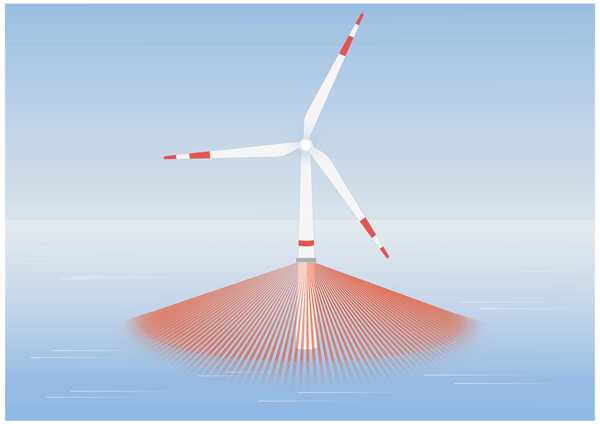
Kira Gramitzky, Florian Jäger, Doron Callies, Tabea Hildebrand, Julie K. Lundquist, and Lukas Pauscher
Wind Energ. Sci., 11, 861–882, https://doi.org/10.5194/wes-11-861-2026, https://doi.org/10.5194/wes-11-861-2026, 2026
Short summary
Short summary
This study introduces an extended sea surface levelling method for the accurate offshore calibration of scanning lidars. This method can determine the alignment of the laser beam, including any vertical shift, and is independent of the scan pattern. Tests using real measurement data and a detailed uncertainty study confirm its reliability. The study offers a versatile calibration approach and improves confidence in offshore wind measurements with scanning lidars.
Andreas Vad, Adrien Guilloré, Abhinav Anand, Vasilis Pettas, Anik H. Shah, Ion Lizarraga-Saenz, Maria Aparicio-Sanchez, Irene Eguinoa, Nicolau Conti Gost, Iasonas Tsaklis, Ariane Frère, Koen W. Hermans, Joseph K. Kamau, Nikolay Dimitrov, Tuhfe Göçmen, and Carlo L. Bottasso
Wind Energ. Sci. Discuss., https://doi.org/10.5194/wes-2026-45, https://doi.org/10.5194/wes-2026-45, 2026
Revised manuscript under review for WES
Short summary
Short summary
A modular, computationally efficient framework for wind‑farm response modeling is presented. It combines an engineering wake model with surrogate models trained on extensive aeroelastic simulations generated using a novel method for synthetic waked and clean inflows. The wind‑farm‑agnostic framework supports multiple turbine types and layouts, enabling accurate, low‑cost predictions for design, operation, and control.
Nicola Bodini, Aliza Abraham, Paula Doubrawa, Stefano Letizia, Julie K. Lundquist, Patrick Moriarty, and Ryan Scott
Wind Energ. Sci. Discuss., https://doi.org/10.5194/wes-2026-33, https://doi.org/10.5194/wes-2026-33, 2026
Revised manuscript accepted for WES
Short summary
Short summary
Wind turbines create "wakes" of slowed air that reduce power for nearby turbines. To help improve wind energy models, we analyzed data from a large field experiment. We focused on a single day with changing weather patterns. We found that even simple terrain features interacted with the wind to create large variations in power output – up to 80 percent – across a wind farm. This detailed dataset provides a real-world case needed to validate and improve wind energy design tools.
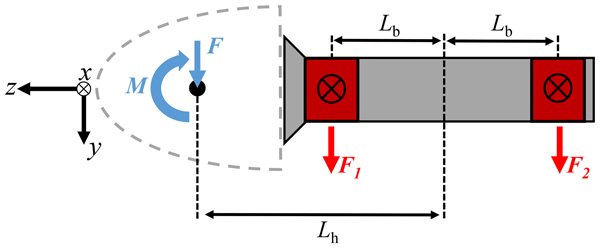
Julian Quick, Edward Hart, Marcus Binder Nilsen, Rasmus Sode Lund, Jaime Liew, Piinshin Huang, Pierre-Elouan Rethore, Jonathan Keller, Wooyong Song, and Yi Guo
Wind Energ. Sci., 11, 493–507, https://doi.org/10.5194/wes-11-493-2026, https://doi.org/10.5194/wes-11-493-2026, 2026
Short summary
Short summary
Wind turbine main bearings often fail prematurely, creating costly maintenance challenges. This study examined how wake effects – where upstream turbines create disturbed airflow that impacts downstream turbines – affect bearing lifespans. Using computer simulations, we found that wake effects reduce bearing life by 16 % on average. The direction of wake impact matters significantly due to interactions between wind forces and gravity, informing better wind turbine and farm design strategies.
Yelena Pichugina, Alan W. Brewer, Sunil Baidar, Robert Banta, Edward Strobach, Brandi McCarty, Brian Carroll, Nicola Bodini, Stefano Letizia, Richard Marchbanks, Michael Zucker, Maxwell Holloway, and Patrick Moriarty
Wind Energ. Sci., 11, 417–442, https://doi.org/10.5194/wes-11-417-2026, https://doi.org/10.5194/wes-11-417-2026, 2026
Short summary
Short summary
The truck-based Doppler lidar system was used during the American Wake Experiment (AWAKEN) to obtain the high-frequency, simultaneous measurements of the horizontal wind speed, direction, and vertical velocity from a moving platform. The paper presents the unique capability of the novel lidar system to characterize the temporal, vertical, and spatial variability in winds at various distances from operating turbines and obtain quantitative estimates of wind speed reduction in the waked flow.
Carlo L. Bottasso, Sandrine Aubrun, Nicolaos A. Cutululis, Julia Gottschall, Athanasios Kolios, Jakob Mann, and Paul Veers
Wind Energ. Sci., 11, 347–348, https://doi.org/10.5194/wes-11-347-2026, https://doi.org/10.5194/wes-11-347-2026, 2026
Short summary
Short summary
This editorial celebrates the 10th anniversary of Wind Energy Science, reflecting on a decade of rapid scientific progress and the journal’s role in advancing fundamental, interdisciplinary research. It highlights key developments in wind energy, the importance of open science and academia–industry collaboration, and emerging challenges such as data sharing and artificial intelligence. Above all, it honors the research community that has shaped the journal and looks ahead to the next decade.
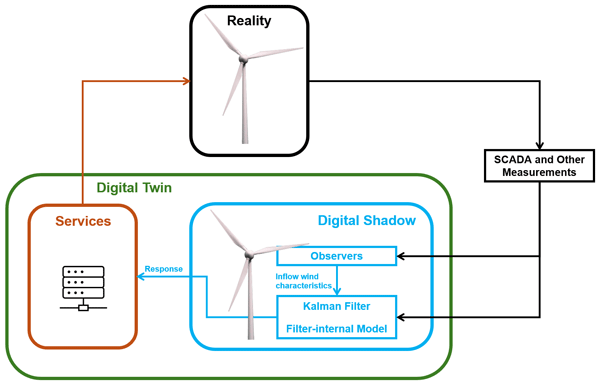
Hadi Hoghooghi and Carlo L. Bottasso
Wind Energ. Sci., 11, 373–393, https://doi.org/10.5194/wes-11-373-2026, https://doi.org/10.5194/wes-11-373-2026, 2026
Short summary
Short summary
We formulate and demonstrate a new digital shadow (i.e., a virtual copy) for wind turbines. The digital shadow is designed in order to be capable of mirroring the response of the machine even in complex inflow conditions. Results from field measurements illustrate the ability of the shadow to estimate loads with good accuracy, even with minimal tuning.
Sima Hamzeloo, Xiaoli Guo Larsén, Alfredo Peña, Jana Fischereit, and Oscar García-Santiago
Wind Energ. Sci. Discuss., https://doi.org/10.5194/wes-2025-267, https://doi.org/10.5194/wes-2025-267, 2026
Revised manuscript accepted for WES
Short summary
Short summary
We studied how winds and ocean waves affect each other during a North Sea storm. Using a multiscale approach that captures processes from kilometers down to meters, we linked wind and wave models and compared the results with real measurements. Our aim was to improve current simulation methods, and the findings show that this detailed approach provides more accurate storm predictions up to 100 m height.
Neil Matula, Gopal Yalla, Bumseok Lee, Ganesh Vijayakumar, Nathaniel deVelder, Lawrence Cheung, Michael Sprague, and Paul Crozier
Wind Energ. Sci. Discuss., https://doi.org/10.5194/wes-2025-263, https://doi.org/10.5194/wes-2025-263, 2026
Revised manuscript accepted for WES
Short summary
Short summary
This paper presents the results of a validation campaign of the fluid-structure interaction capability of the ExaWind software suite using the Pazy wing case, an aeroelastic benchmark featuring large nonlinear deformations of a very flexible wing under low-speed conditions. The results show good agreement with the published experimental and simulation results for tip deflection and flutter onset speed, and provide credibility evidence for the predictive capability of the ExaWind suite.

Anna Voss, Konrad B. Bärfuss, Beatriz Cañadillas, Maik Angermann, Mark Bitter, Matthias Cremer, Thomas Feuerle, Jonas Spoor, Julie K. Lundquist, Patrick Moriarty, and Astrid Lampert
Wind Energ. Sci., 11, 71–88, https://doi.org/10.5194/wes-11-71-2026, https://doi.org/10.5194/wes-11-71-2026, 2026
Short summary
Short summary
This study analyzes onshore wind farm wakes in a semi-complex terrain with data conducted with the research aircraft of TU Braunschweig during the American WAKE experimeNt (AWAKEN). Vertical profiles of temperature, humidity, and wind give insights into the stratification of the atmospheric boundary layer, while horizontal profiles downwind of wind farms reveal an amplification of the reduction in wind speed in a semi-complex terrain, in particular at a distance of 10 km.
Gopal R. Yalla, Kenneth Brown, Lawrence Cheung, Dan Houck, Nathaniel deVelder, and Balaji Jayaraman
Wind Energ. Sci. Discuss., https://doi.org/10.5194/wes-2025-250, https://doi.org/10.5194/wes-2025-250, 2025
Revised manuscript under review for WES
Short summary
Short summary
This study examines the increase in annual energy production of a wind farm when using a new control technology designed to re-energize the wind between turbines by enhancing the mixing in the flow behind a turbine. High-fidelity computer simulations are used to create training data for a lower-fidelity model that efficiently predicts wind farm performance. Additionally, the power performance gains are compared to a standard control approach that steers wakes away from downstream turbines.
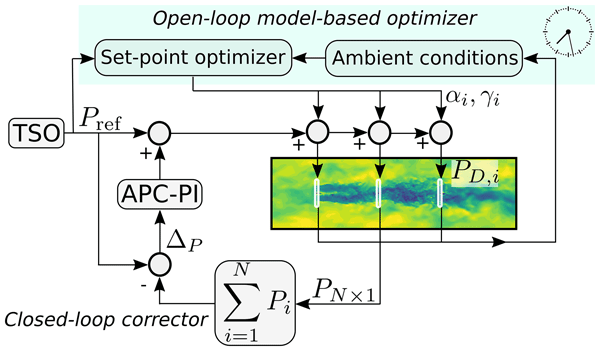
Simone Tamaro, Filippo Campagnolo, and Carlo L. Bottasso
Wind Energ. Sci., 10, 2705–2728, https://doi.org/10.5194/wes-10-2705-2025, https://doi.org/10.5194/wes-10-2705-2025, 2025
Short summary
Short summary
We proposed a new method for active power control that uniquely combines induction control with wake steering to maximize power tracking margins. Our methodology results in significantly improved robustness against wind fluctuations and fatigue loading when compared to the state of the art.
Ali Khanjari and Cristina Archer
Wind Energ. Sci. Discuss., https://doi.org/10.5194/wes-2025-220, https://doi.org/10.5194/wes-2025-220, 2025
Preprint withdrawn
Short summary
Short summary
In a wind farm, wind turbines decrease the wind speed and add turbulence, reducing the efficiency of turbines behind them and the overall wind farm performance. This study organizes mathematical models and uses computer simulations to examine how turbines interact. The results will help improve wind farm design and better understanding of their environmental effects in the future.
Matteo Puccioni, Sonia Wharton, Stephan F. J. De Wekker, Robert S. Arthur, Tianyi Li, Ye Liu, Sha Feng, Kyle Pressel, Raj K. Rai, Larry K. Berg, and Jerome D. Fast
Wind Energ. Sci. Discuss., https://doi.org/10.5194/wes-2025-215, https://doi.org/10.5194/wes-2025-215, 2025
Revised manuscript not accepted
Short summary
Short summary
A multi-wind Lidar campaign is conducted in a forest in the United States Southeast, a region featuring low wind resources due to the forest drag. Although the latter reduces the wind for hundreds of meters above ground, we found this effect to be negligible for heights above 8 times the tree height where the wind is dominated by local atmospheric events. This scenario opens to the development of taller turbines harvesting the wind farther away from the ground where the forest drag is minimal.
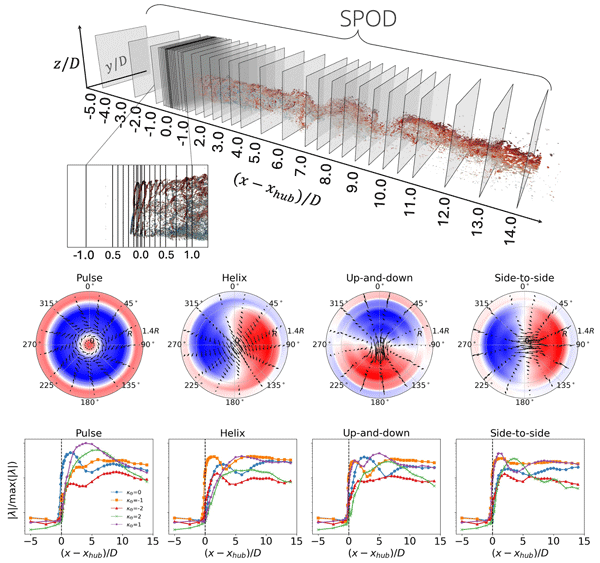
Gopal R. Yalla, Kenneth Brown, Lawrence Cheung, Dan Houck, Nathaniel deVelder, and Nicholas Hamilton
Wind Energ. Sci., 10, 2449–2474, https://doi.org/10.5194/wes-10-2449-2025, https://doi.org/10.5194/wes-10-2449-2025, 2025
Short summary
Short summary
When wind reaches the first set of turbines in a wind farm, energy is extracted, reducing the energy available for downstream turbines. This study examines emerging technologies aimed at re-energizing the wind between turbines in a wind farm to improve overall power production. Optimizing these technologies depends on understanding the complex flow features of the atmosphere and the wakes behind turbines, which is accomplished using high-fidelity computer simulations and data analysis techniques.
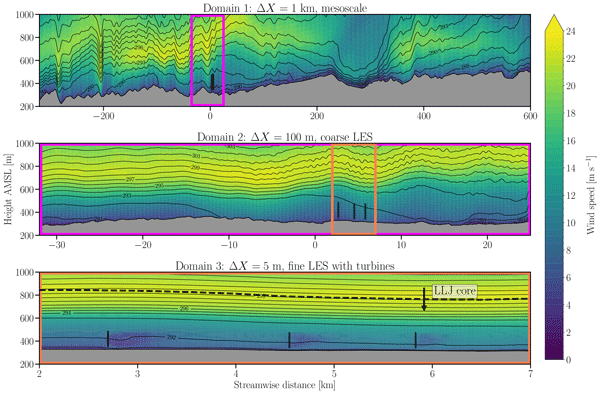
William C. Radünz, Bruno Carmo, Julie K. Lundquist, Stefano Letizia, Aliza Abraham, Adam S. Wise, Miguel Sanchez Gomez, Nicholas Hamilton, Raj K. Rai, and Pedro S. Peixoto
Wind Energ. Sci., 10, 2365–2393, https://doi.org/10.5194/wes-10-2365-2025, https://doi.org/10.5194/wes-10-2365-2025, 2025
Short summary
Short summary
We explore how simple terrain influences spatial variations in wind speed and wind farm performance during a low-level jet. Using simulations, field observations, and turbine production data, we find that downstream turbines produce more power than upstream ones, despite being subjected to wake effects. This counterintuitive result arises because the low-level jet and winds near turbine rotors are highly sensitive to topographic features, leading to stronger winds at the downstream turbines.
Juan M. Restrepo, Matthew Norman, Stuart Slattery, Lawrence Cheung, and Yihan Liu
Wind Energ. Sci. Discuss., https://doi.org/10.5194/wes-2025-208, https://doi.org/10.5194/wes-2025-208, 2025
Manuscript not accepted for further review
Short summary
Short summary
We examine the average power output of a single and a collection of 5 MW wind turbines, mounted on a Tension-Leg Platform (TLP) under the action of fully developed ocean waves. We find that wave motions have a negligible effect on power output.
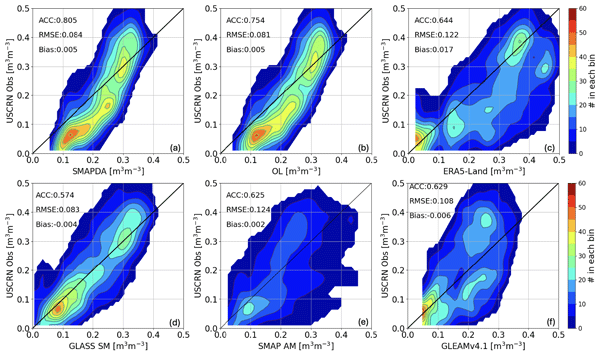
Sheng-Lun Tai, Zhao Yang, Brian Gaudet, Koichi Sakaguchi, Larry Berg, Colleen Kaul, Yun Qian, Ye Liu, and Jerome Fast
Earth Syst. Sci. Data, 17, 4587–4611, https://doi.org/10.5194/essd-17-4587-2025, https://doi.org/10.5194/essd-17-4587-2025, 2025
Short summary
Short summary
Our study created a high-resolution soil moisture dataset for the eastern US by integrating satellite data with a land surface model and advanced algorithms, achieving 1 km scale analyses. Validated against multiple in situ networks and analysis datasets, it demonstrated superior accuracy. This dataset is vital for understanding soil moisture dynamics, especially during droughts, and highlights the need to mitigate soil-type-dependent biases in the model.
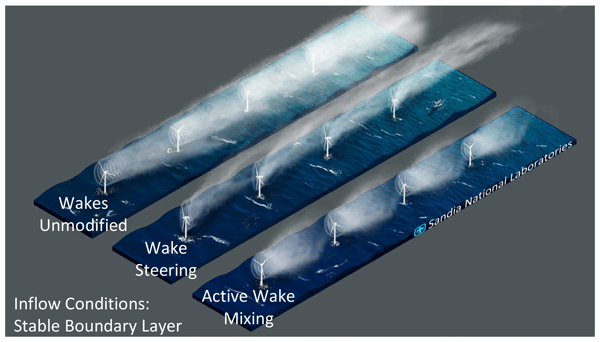
Kenneth Brown, Gopal Yalla, Lawrence Cheung, Joeri Frederik, Dan Houck, Nathaniel deVelder, Eric Simley, and Paul Fleming
Wind Energ. Sci., 10, 1737–1762, https://doi.org/10.5194/wes-10-1737-2025, https://doi.org/10.5194/wes-10-1737-2025, 2025
Short summary
Short summary
This paper presents one half of a companion paper series that studies strategies to reduce negative aerodynamic interference (i.e., wake effects) between nearby wind turbines in a wind farm. The approach leverages high-fidelity flow simulations of an open-source design for a wind turbine. Complimenting the companion paper’s analysis of the power and loading effects of the wake-control strategies, this article uncovers the underlying fluid-dynamic causes for these effects.
Geng Xia, Mike Optis, Georgios Deskos, Michael Sinner, Daniel Mulas Hernando, Julie Kay Lundquist, Andrew Kumler, Miguel Sanchez Gomez, Paul Fleming, and Walter Musial
Wind Energ. Sci. Discuss., https://doi.org/10.5194/wes-2025-154, https://doi.org/10.5194/wes-2025-154, 2025
Revised manuscript not accepted
Short summary
Short summary
This study examines energy losses from cluster wakes in offshore wind farms along the U.S. East Coast. Simulations based on real lease projects show that large wind speed deficits do not always cause equally large energy losses. The energy loss method revealed wake areas up to 30 % larger than traditional estimates, underscoring the need to consider both wind speed deficit and energy loss in planning offshore wind development.
Aliza Abraham, Matteo Puccioni, Arianna Jordan, Emina Maric, Nicola Bodini, Nicholas Hamilton, Stefano Letizia, Petra M. Klein, Elizabeth N. Smith, Sonia Wharton, Jonathan Gero, Jamey D. Jacob, Raghavendra Krishnamurthy, Rob K. Newsom, Mikhail Pekour, William Radünz, and Patrick Moriarty
Wind Energ. Sci., 10, 1681–1705, https://doi.org/10.5194/wes-10-1681-2025, https://doi.org/10.5194/wes-10-1681-2025, 2025
Short summary
Short summary
This study is the first to use real-world atmospheric measurements to show that large wind plants can increase the height of the planetary boundary layer, the part of the atmosphere near the surface where life takes place. The planetary boundary layer height governs processes like pollutant transport and cloud formation and is a key parameter for modeling the atmosphere. The results of this study provide important insights into interactions between wind plants and their local environment.
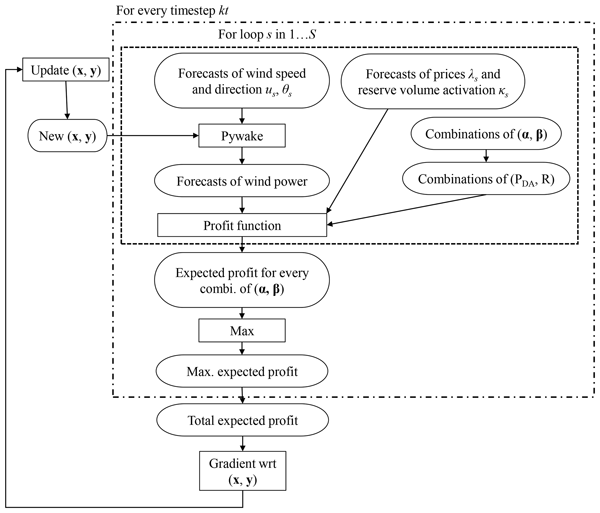
Thuy-Hai Nguyen, Julian Quick, Pierre-Elouan Réthoré, Jean-François Toubeau, Emmanuel De Jaeger, and François Vallée
Wind Energ. Sci., 10, 1661–1680, https://doi.org/10.5194/wes-10-1661-2025, https://doi.org/10.5194/wes-10-1661-2025, 2025
Short summary
Short summary
Current offshore wind farms have been designed to maximize their production of electricity at all times and not to keep a reserve of power in case of unexpected events on the grid. We present a new formulation for designing wind farms to maximize revenues from both energy and reserve markets. We apply it to a real-life wind farm and show that profits are expected to increase in a significant way for wind farms designed and operated for reserve, with less energy supplied.
Lindsay M. Sheridan, Jiali Wang, Caroline Draxl, Nicola Bodini, Caleb Phillips, Dmitry Duplyakin, Heidi Tinnesand, Raj K. Rai, Julia E. Flaherty, Larry K. Berg, Chunyong Jung, Ethan Young, and Rao Kotamarthi
Wind Energ. Sci., 10, 1551–1574, https://doi.org/10.5194/wes-10-1551-2025, https://doi.org/10.5194/wes-10-1551-2025, 2025
Short summary
Short summary
Three recent wind resource datasets are assessed for their skills in representing annual average wind speeds and seasonal, diurnal, and interannual trends in the wind resource in coastal locations to support customers interested in small and midsize wind energy.
Lindsay M. Sheridan, Dmitry Duplyakin, Caleb Phillips, Heidi Tinnesand, Raj K. Rai, Julia E. Flaherty, and Larry K. Berg
Wind Energ. Sci., 10, 1451–1470, https://doi.org/10.5194/wes-10-1451-2025, https://doi.org/10.5194/wes-10-1451-2025, 2025
Short summary
Short summary
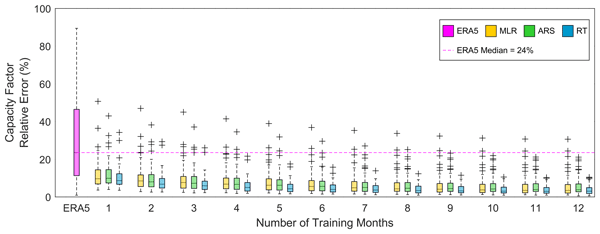
A total of 12 months of onsite wind measurement is standard for correcting model-based long-term wind speed estimates for utility-scale wind farms; however, the time and capital investment involved in gathering onsite measurements must be reconciled with the energy needs and funding opportunities for distributed wind projects. This study aims to answer the question of how short you can go in terms of the observational time period needed to make impactful improvements to long-term wind speed estimates.
Cristina Lozej Archer
Wind Energ. Sci., 10, 1433–1438, https://doi.org/10.5194/wes-10-1433-2025, https://doi.org/10.5194/wes-10-1433-2025, 2025
Short summary
Short summary
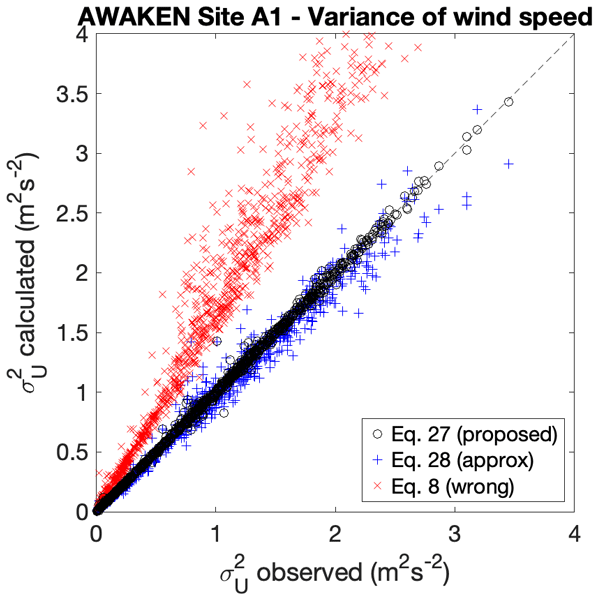
Two approximate analytical expressions are derived, one for the variance of wind speed and the other for turbulence intensity, based on one simple assumption: that the turbulent fluctuations in wind are small with respect to the mean. The formulations perform well when applied to the observations from the American WAKE experimeNt (AWAKEN) field campaign conducted in 2023.
Lawrence Cheung, Gopal Yalla, Prakash Mohan, Alan Hsieh, Kenneth Brown, Nathaniel deVelder, Daniel Houck, Marc T. Henry de Frahan, Marc Day, and Michael Sprague
Wind Energ. Sci., 10, 1403–1420, https://doi.org/10.5194/wes-10-1403-2025, https://doi.org/10.5194/wes-10-1403-2025, 2025
Short summary
Short summary
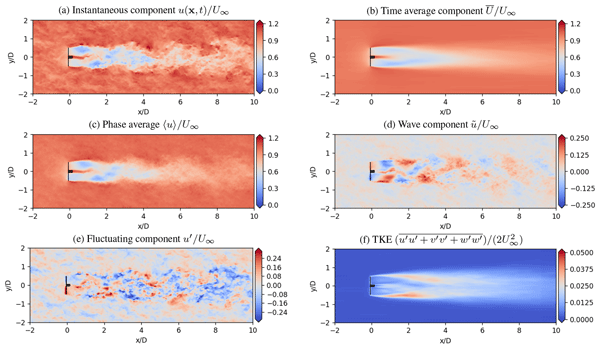
Mitigating turbine wakes is an important aspect to maximizing wind farm energy production but is a challenge to model. We demonstrate a new approach to modeling active wake mixing, which re-energizes turbine wake through periodic blade pitching. The new model divides the wake into separate steady, unsteady, and turbulent components and solves for each in a computationally efficient manner. Our results show that the model can reasonably predict the faster wake recovery due to mixing.
Daphne Quint, Julie K. Lundquist, Nicola Bodini, and David Rosencrans
Wind Energ. Sci., 10, 1269–1301, https://doi.org/10.5194/wes-10-1269-2025, https://doi.org/10.5194/wes-10-1269-2025, 2025
Short summary
Short summary
Offshore wind farms along the US East Coast can have limited effects on local weather. To study these effects, we include wind farms near Massachusetts and Rhode Island, and we test different amounts of turbulence in our model. We analyze changes in wind, temperature, and turbulence. Simulated effects on surface temperature and turbulence change depending on how much turbulence is added to the model. The extent of the wind farm wake depends on how deep the atmospheric boundary layer is.
Robert S. Arthur, Alex Rybchuk, Timothy W. Juliano, Gabriel Rios, Sonia Wharton, Julie K. Lundquist, and Jerome D. Fast
Wind Energ. Sci., 10, 1187–1209, https://doi.org/10.5194/wes-10-1187-2025, https://doi.org/10.5194/wes-10-1187-2025, 2025
Short summary
Short summary
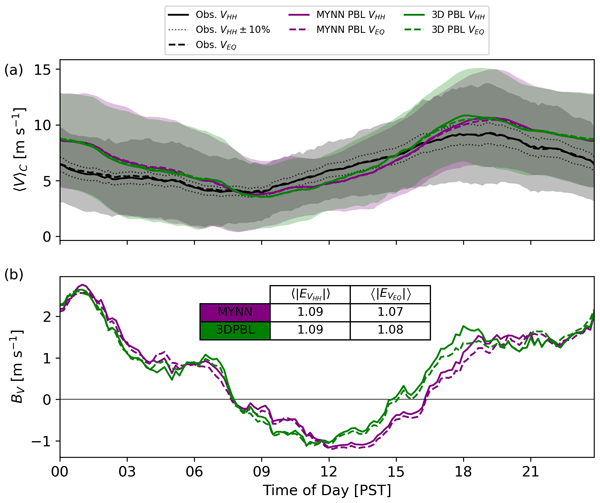
This paper evaluates a new model configuration for wind energy forecasting in complex terrain. We compare model results to observations in the Altamont Pass (California, USA), where wind channeling through a mountain gap leads to increased energy production. We demonstrate that the new model configuration performs similarly to a more established approach, with some evidence of improved wind speed predictions, and provide guidance for future model testing.

Regis Thedin, Garrett Barter, Jason Jonkman, Rafael Mudafort, Christopher J. Bay, Kelsey Shaler, and Jasper Kreeft
Wind Energ. Sci., 10, 1033–1053, https://doi.org/10.5194/wes-10-1033-2025, https://doi.org/10.5194/wes-10-1033-2025, 2025
Short summary
Short summary
We investigate asymmetries in terms of power performance and fatigue loading on a five-turbine wind farm subject to wake steering strategies. Both the yaw misalignment angle and the wind direction were varied from negative to positive. We highlight conditions in which fatigue loading is lower while still maintaining good power gains and show that a partial wake is the source of the asymmetries observed. We provide recommendations in terms of yaw misalignment angles for a given wind direction.
Adam S. Wise, Robert S. Arthur, Aliza Abraham, Sonia Wharton, Raghavendra Krishnamurthy, Rob Newsom, Brian Hirth, John Schroeder, Patrick Moriarty, and Fotini K. Chow
Wind Energ. Sci., 10, 1007–1032, https://doi.org/10.5194/wes-10-1007-2025, https://doi.org/10.5194/wes-10-1007-2025, 2025
Short summary
Short summary
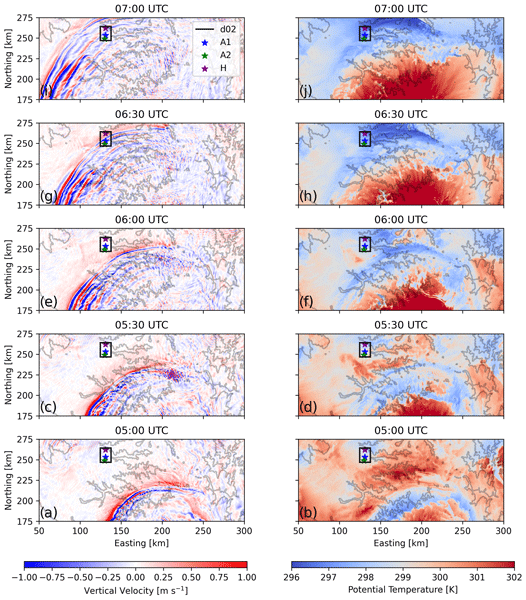
Wind farms can be subject to rapidly changing weather events. In the United States Great Plains, some of these weather events can result in waves in the atmosphere that ultimately affect how much power a wind farm can produce. We modeled a specific event of waves observed in Oklahoma. We determined how to accurately model the event and analyzed how it affected a wind farm’s power production, finding that the waves both decreased power and made it more variable.
Ali Khanjari, Asim Feroz, and Cristina L. Archer
Wind Energ. Sci., 10, 887–905, https://doi.org/10.5194/wes-10-887-2025, https://doi.org/10.5194/wes-10-887-2025, 2025
Short summary
Short summary
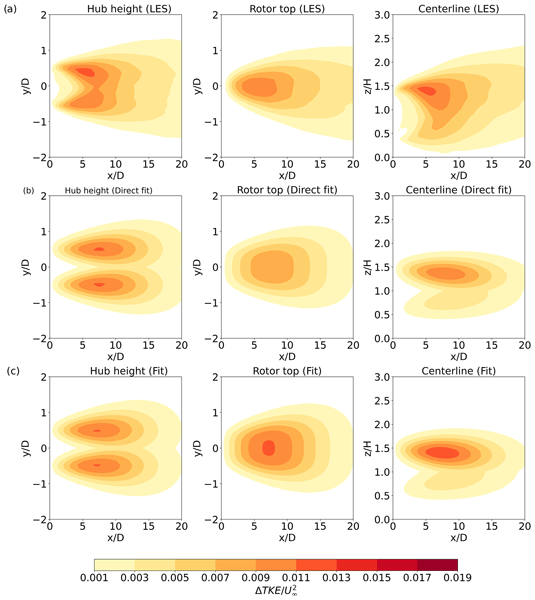
Wind turbines add turbulence to the atmosphere behind them, especially 4–6 diameters downstream and near the rotor top. We propose an equation that predicts the distribution of added turbulence as a function of a turbine parameter (thrust coefficient) and an atmospheric parameter (undisturbed turbulence intensity before the turbine). We find that our equation performs well, although not perfectly. Ultimately this equation can be used to better understand how wind turbines affect the atmosphere.
Joeri A. Frederik, Eric Simley, Kenneth A. Brown, Gopal R. Yalla, Lawrence C. Cheung, and Paul A. Fleming
Wind Energ. Sci., 10, 755–777, https://doi.org/10.5194/wes-10-755-2025, https://doi.org/10.5194/wes-10-755-2025, 2025
Short summary
Short summary
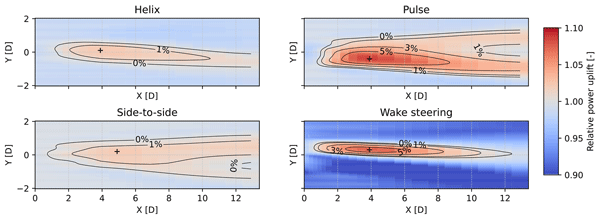
In this paper, we present results from advanced computer simulations to determine the effects of applying different control strategies to a small wind farm. We show that when there is variability in wind direction over height, steering the wake of a turbine away from other turbines is the most effective strategy. When this variability is not present, actively changing the pitch angle of the blades to increase turbulence in the wake could be more effective.
Etienne Cheynet, Jan Markus Diezel, Hilde Haakenstad, Øyvind Breivik, Alfredo Peña, and Joachim Reuder
Wind Energ. Sci., 10, 733–754, https://doi.org/10.5194/wes-10-733-2025, https://doi.org/10.5194/wes-10-733-2025, 2025
Short summary
Short summary
This study analyses wind speed data at heights up to 500 m to support the design of future large offshore wind turbines and airborne wind energy systems. We compared three wind models (ERA5, NORA3, and NEWA) with lidar measurements at five sites using four performance metrics. ERA5 and NORA3 performed equally well offshore, with NORA3 typically outperforming the other two models onshore. More generally, the optimal choice of model depends on site, altitude, and evaluation criteria.
Mads Baungaard, Takafumi Nishino, and Maarten Paul van der Laan
Wind Energ. Sci. Discuss., https://doi.org/10.5194/wes-2025-50, https://doi.org/10.5194/wes-2025-50, 2025
Manuscript not accepted for further review
Short summary
Short summary
A systematic comparison between 2D and 3D Reynolds-averaged Navier-Stokes simulations of wind farm flows have been conducted. It is found that the 2D simulations are, at least, two orders of magnitude computationally cheaper than their corresponding 3D simulations, while the predicted farm power is within -30 % to 15 % for all cases considered. The large computational speed-ups and sensible results makes 2D simulations a promising option in the low- to mid-fidelity range.
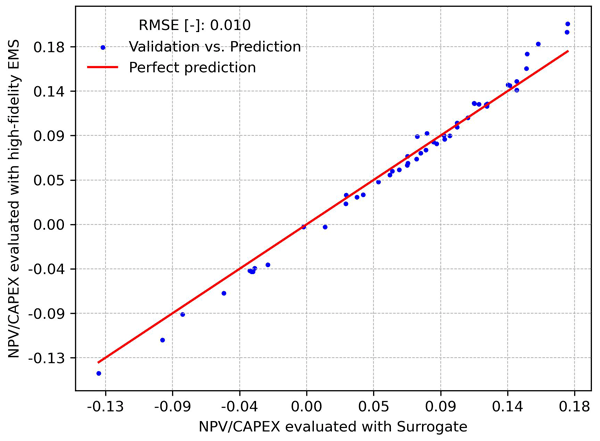
Charbel Assaad, Juan Pablo Murcia Leon, Julian Quick, Tuhfe Göçmen, Sami Ghazouani, and Kaushik Das
Wind Energ. Sci., 10, 559–578, https://doi.org/10.5194/wes-10-559-2025, https://doi.org/10.5194/wes-10-559-2025, 2025
Short summary
Short summary
This research develops a new method for assessing hybrid power plant (HPP) profitability, combining wind and battery systems. It addresses the need for an efficient, accurate, and comprehensive operational model by approximating a state-of-the-art energy management system (EMS) for spot market power bidding using machine learning. The approach significantly reduces computational demands while maintaining high accuracy. It thus opens new possibilities in terms of optimizing the design of HPPs.
Raghavendra Krishnamurthy, Rob K. Newsom, Colleen M. Kaul, Stefano Letizia, Mikhail Pekour, Nicholas Hamilton, Duli Chand, Donna Flynn, Nicola Bodini, and Patrick Moriarty
Wind Energ. Sci., 10, 361–380, https://doi.org/10.5194/wes-10-361-2025, https://doi.org/10.5194/wes-10-361-2025, 2025
Short summary
Short summary
This study examines how atmospheric phenomena affect the recovery of wind farm wake – the disturbed air behind turbines. In regions like Oklahoma, where wind farms are often clustered, understanding wake recovery is crucial. We found that wind farms can alter phenomena like low-level jets, which are common in Oklahoma, by deflecting them above the wind farm. As a result, the impact of wakes can be observed up to 1–2 km above ground level.
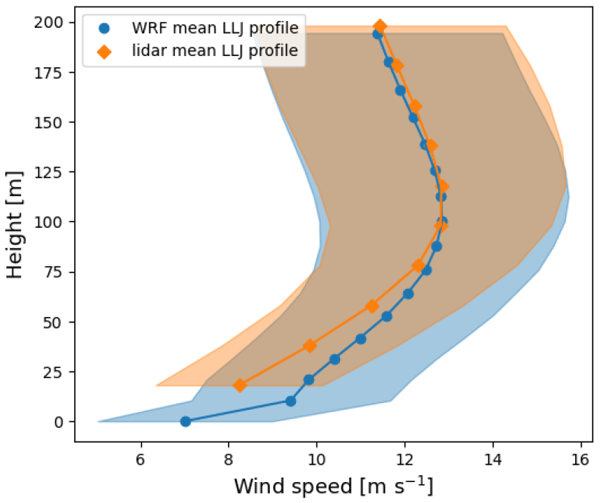
Daphne Quint, Julie K. Lundquist, and David Rosencrans
Wind Energ. Sci., 10, 117–142, https://doi.org/10.5194/wes-10-117-2025, https://doi.org/10.5194/wes-10-117-2025, 2025
Short summary
Short summary
Offshore wind farms will be built along the East Coast of the United States. Low-level jets (LLJs) – layers of fast winds at low altitudes – also occur here. LLJs provide wind resources and also influence moisture and pollution transport, so it is important to understand how they might change. We develop and validate an automated tool to detect LLJs and compare 1 year of simulations with and without wind farms. Here, we describe LLJ characteristics and how they change with wind farms.
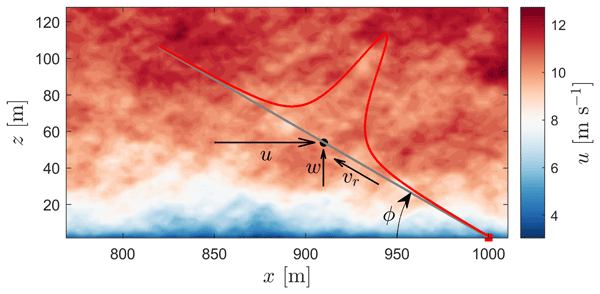
Alfredo Peña, Ginka G. Yankova, and Vasiliki Mallini
Wind Energ. Sci., 10, 83–102, https://doi.org/10.5194/wes-10-83-2025, https://doi.org/10.5194/wes-10-83-2025, 2025
Short summary
Short summary
Lidars are vastly used in wind energy, but most users struggle when interpreting lidar turbulence measures. Here, we explain the difficulty in converting them into standard measurements. We show two ways of converting lidar to in situ turbulence measurements, both using neural networks: one of them is based on physics, while the other is purely data-driven. They show promising results when compared to high-quality turbulence measurements from a tall mast.
David Rosencrans, Julie K. Lundquist, Mike Optis, and Nicola Bodini
Wind Energ. Sci., 10, 59–81, https://doi.org/10.5194/wes-10-59-2025, https://doi.org/10.5194/wes-10-59-2025, 2025
Short summary
Short summary
The US offshore wind industry is growing rapidly. Expansion into cold climates will subject turbines and personnel to hazardous icing. We analyze the 21-year icing risk for US east coast wind areas based on numerical weather prediction simulations and further assess impacts from wind farm wakes over one winter season. Sea spray icing at 10 m can occur up to 67 h per month. However, turbine–atmosphere interactions reduce icing hours within wind plant areas.

Majid Bastankhah, Marcus Becker, Matthew Churchfield, Caroline Draxl, Jay Prakash Goit, Mehtab Khan, Luis A. Martinez Tossas, Johan Meyers, Patrick Moriarty, Wim Munters, Asim Önder, Sara Porchetta, Eliot Quon, Ishaan Sood, Nicole van Lipzig, Jan-Willem van Wingerden, Paul Veers, and Simon Watson
Wind Energ. Sci., 9, 2171–2174, https://doi.org/10.5194/wes-9-2171-2024, https://doi.org/10.5194/wes-9-2171-2024, 2024
Short summary
Short summary
Dries Allaerts was born on 19 May 1989 and passed away at his home in Wezemaal, Belgium, on 10 October 2024 after battling cancer. Dries started his wind energy career in 2012 and had a profound impact afterward on the community, in terms of both his scientific realizations and his many friendships and collaborations in the field. His scientific acumen, open spirit of collaboration, positive attitude towards life, and playful and often cheeky sense of humor will be deeply missed by many.
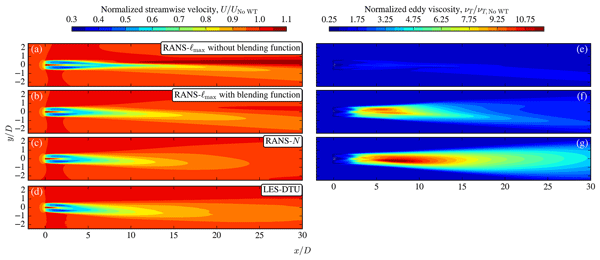
Maarten Paul van der Laan, Mark Kelly, Mads Baungaard, Antariksh Dicholkar, and Emily Louise Hodgson
Wind Energ. Sci., 9, 1985–2000, https://doi.org/10.5194/wes-9-1985-2024, https://doi.org/10.5194/wes-9-1985-2024, 2024
Short summary
Short summary
Wind turbines are increasing in size and operate more frequently above the atmospheric surface layer, which requires improved inflow models for numerical simulations of turbine interaction. In this work, a novel steady-state model of the atmospheric boundary layer (ABL) is introduced. Numerical wind turbine flow simulations subjected to shallow and tall ABLs are conducted, and the proposed model shows improved performance compared to other state-of-the-art steady-state models.
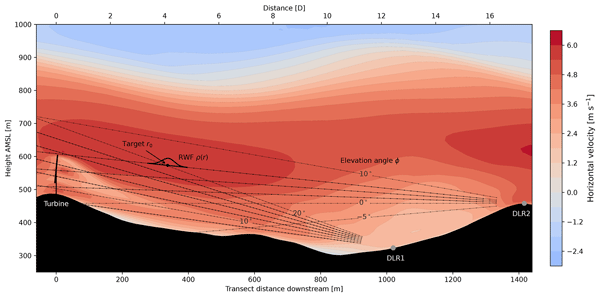
Rachel Robey and Julie K. Lundquist
Wind Energ. Sci., 9, 1905–1922, https://doi.org/10.5194/wes-9-1905-2024, https://doi.org/10.5194/wes-9-1905-2024, 2024
Short summary
Short summary
Measurements of wind turbine wakes with scanning lidar instruments contain complex errors. We model lidars in a simulated environment to understand how and why the measured wake may differ from the true wake and validate the results with observational data. The lidar smooths out the wake, making it seem more spread out and the slowdown of the winds less pronounced. Our findings provide insights into best practices for accurately measuring wakes with lidar and interpreting observational data.
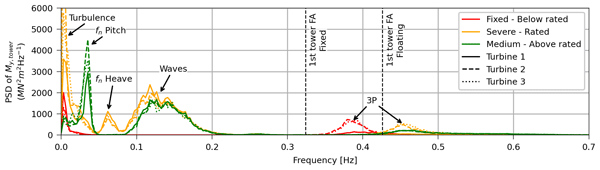
Lucas Carmo, Jason Jonkman, and Regis Thedin
Wind Energ. Sci., 9, 1827–1847, https://doi.org/10.5194/wes-9-1827-2024, https://doi.org/10.5194/wes-9-1827-2024, 2024
Short summary
Short summary
As floating wind turbines progress to arrays with multiple units, it becomes important to understand how the wake of a floating turbine affects the performance of other units in the array. Due to the compliance of the floating substructure, the wake of a floating wind turbine may behave differently from that of a fixed turbine. In this work, we present an investigation of the mutual interaction between the motions of floating wind turbines and wakes.
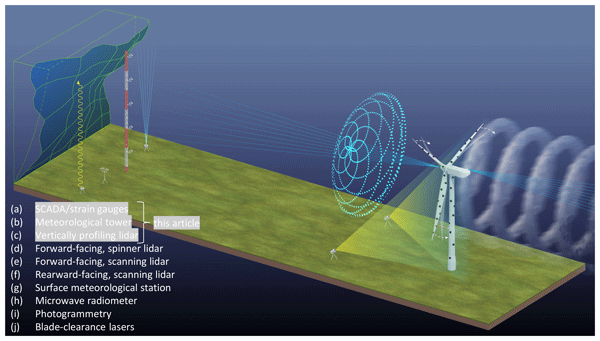
Kenneth Brown, Pietro Bortolotti, Emmanuel Branlard, Mayank Chetan, Scott Dana, Nathaniel deVelder, Paula Doubrawa, Nicholas Hamilton, Hristo Ivanov, Jason Jonkman, Christopher Kelley, and Daniel Zalkind
Wind Energ. Sci., 9, 1791–1810, https://doi.org/10.5194/wes-9-1791-2024, https://doi.org/10.5194/wes-9-1791-2024, 2024
Short summary
Short summary
This paper presents a study of the popular wind turbine design tool OpenFAST. We compare simulation results to measurements obtained from a 2.8 MW land-based wind turbine. Measured wind conditions were used to generate turbulent flow fields through several techniques. We show that successful validation of the tool is not strongly dependent on the inflow generation technique used for mean quantities of interest. The type of inflow assimilation method has a larger effect on fatigue quantities.
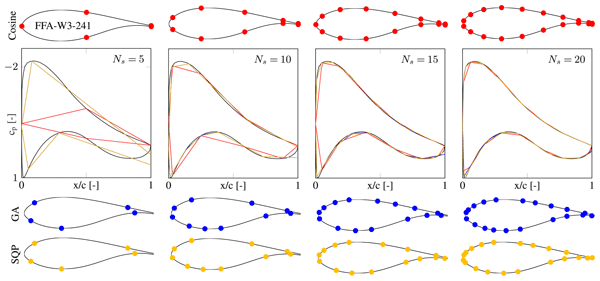
Erik K. Fritz, Christopher L. Kelley, and Kenneth A. Brown
Wind Energ. Sci., 9, 1713–1726, https://doi.org/10.5194/wes-9-1713-2024, https://doi.org/10.5194/wes-9-1713-2024, 2024
Short summary
Short summary
This study investigates the benefits of optimizing the spacing of pressure sensors for measurement campaigns on wind turbine blades and airfoils. It is demonstrated that local aerodynamic properties can be estimated considerably more accurately when the sensor layout is optimized compared to commonly used simpler sensor layouts. This has the potential to reduce the number of sensors without losing measurement accuracy and, thus, reduce the instrumentation complexity and experiment cost.
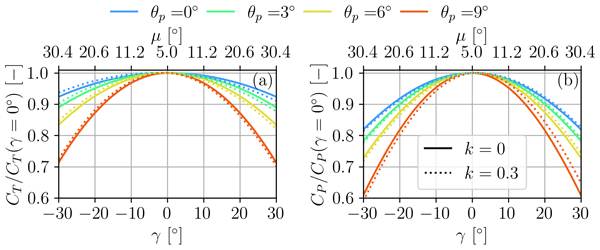
Simone Tamaro, Filippo Campagnolo, and Carlo L. Bottasso
Wind Energ. Sci., 9, 1547–1575, https://doi.org/10.5194/wes-9-1547-2024, https://doi.org/10.5194/wes-9-1547-2024, 2024
Short summary
Short summary
We develop a new simple model to predict power losses incurred by a wind turbine when it yaws out of the wind. The model reveals the effects of a number of rotor design parameters and how the turbine is governed when it yaws. The model exhibits an excellent agreement with large eddy simulations and wind tunnel measurements. We showcase the capabilities of the model by deriving the power-optimal yaw strategy for a single turbine and for a cluster of wake-interacting turbines.
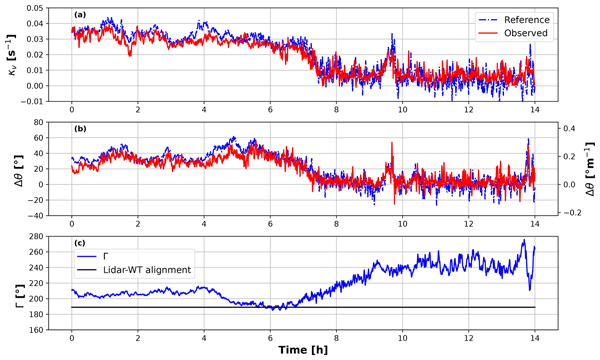
Marta Bertelè, Paul J. Meyer, Carlo R. Sucameli, Johannes Fricke, Anna Wegner, Julia Gottschall, and Carlo L. Bottasso
Wind Energ. Sci., 9, 1419–1429, https://doi.org/10.5194/wes-9-1419-2024, https://doi.org/10.5194/wes-9-1419-2024, 2024
Short summary
Short summary
A neural observer is used to estimate shear and veer from the operational data of a large wind turbine equipped with blade load sensors. Comparison with independent measurements from a nearby met mast and profiling lidar demonstrate the ability of the
rotor as a sensorconcept to provide high-quality estimates of these inflow quantities based simply on already available standard operational data.
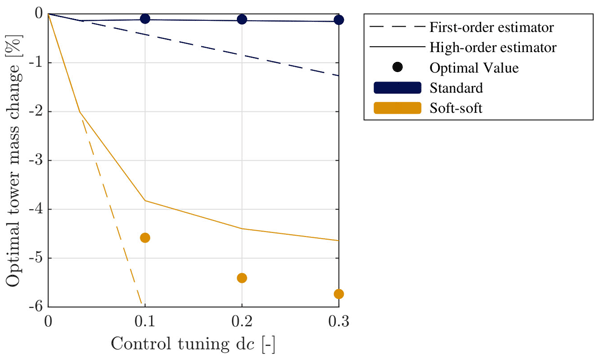
Jenna Iori, Carlo Luigi Bottasso, and Michael Kenneth McWilliam
Wind Energ. Sci., 9, 1289–1304, https://doi.org/10.5194/wes-9-1289-2024, https://doi.org/10.5194/wes-9-1289-2024, 2024
Short summary
Short summary
The controller of a wind turbine has an important role in regulating power production and avoiding structural failure. However, it is often designed after the rest of the turbine, and thus its potential is not fully exploited. An alternative is to design the structure and the controller simultaneously. This work develops a method to identify if a given turbine design can benefit from this new simultaneous design process. For example, a higher and cheaper turbine tower can be built this way.

Daniel R. Houck, Nathaniel B. de Velder, David C. Maniaci, and Brent C. Houchens
Wind Energ. Sci., 9, 1189–1209, https://doi.org/10.5194/wes-9-1189-2024, https://doi.org/10.5194/wes-9-1189-2024, 2024
Short summary
Short summary
Experiments offer incredible value to science, but results must come with an uncertainty quantification to be meaningful. We present a method to simulate a proposed experiment, calculate uncertainties, and determine the measurement duration (total time of measurements) and the experiment duration (total time to collect the required measurement data when including condition variability and time when measurement is not occurring) required to produce statistically significant and converged results.
Nicola Bodini, Mike Optis, Stephanie Redfern, David Rosencrans, Alex Rybchuk, Julie K. Lundquist, Vincent Pronk, Simon Castagneri, Avi Purkayastha, Caroline Draxl, Raghavendra Krishnamurthy, Ethan Young, Billy Roberts, Evan Rosenlieb, and Walter Musial
Earth Syst. Sci. Data, 16, 1965–2006, https://doi.org/10.5194/essd-16-1965-2024, https://doi.org/10.5194/essd-16-1965-2024, 2024
Short summary
Short summary
This article presents the 2023 National Offshore Wind data set (NOW-23), an updated resource for offshore wind information in the US. It replaces the Wind Integration National Dataset (WIND) Toolkit, offering improved accuracy through advanced weather prediction models. The data underwent regional tuning and validation and can be accessed at no cost.
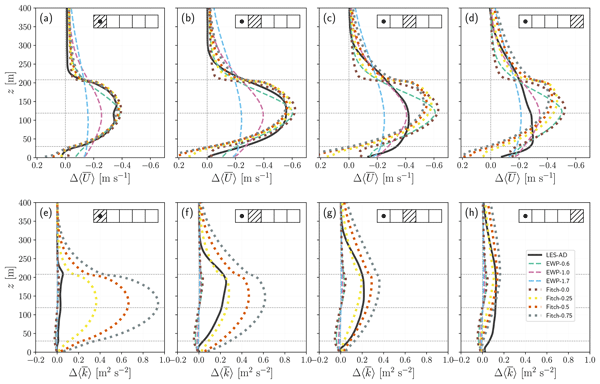
Oscar García-Santiago, Andrea N. Hahmann, Jake Badger, and Alfredo Peña
Wind Energ. Sci., 9, 963–979, https://doi.org/10.5194/wes-9-963-2024, https://doi.org/10.5194/wes-9-963-2024, 2024
Short summary
Short summary
This study compares the results of two wind farm parameterizations (WFPs) in the Weather Research and Forecasting model, simulating a two-turbine array under three atmospheric stabilities with large-eddy simulations. We show that the WFPs accurately depict wind speeds either near turbines or in the far-wake areas, but not both. The parameterizations’ performance varies by variable (wind speed or turbulent kinetic energy) and atmospheric stability, with reduced accuracy in stable conditions.
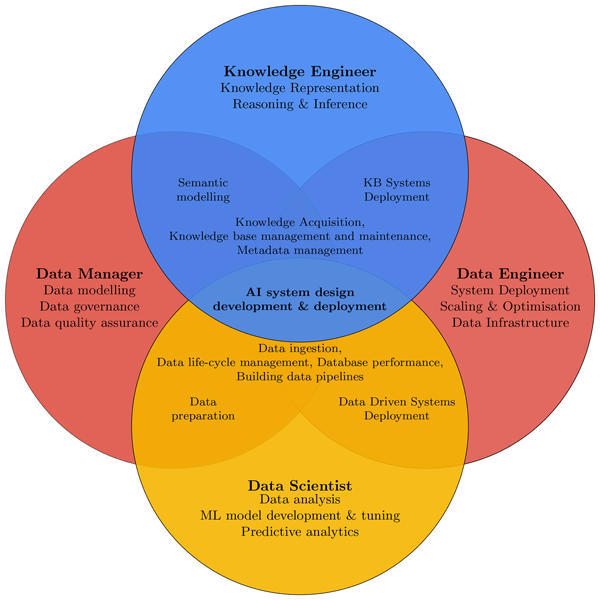
Yuriy Marykovskiy, Thomas Clark, Justin Day, Marcus Wiens, Charles Henderson, Julian Quick, Imad Abdallah, Anna Maria Sempreviva, Jean-Paul Calbimonte, Eleni Chatzi, and Sarah Barber
Wind Energ. Sci., 9, 883–917, https://doi.org/10.5194/wes-9-883-2024, https://doi.org/10.5194/wes-9-883-2024, 2024
Short summary
Short summary
This paper delves into the crucial task of transforming raw data into actionable knowledge which can be used by advanced artificial intelligence systems – a challenge that spans various domains, industries, and scientific fields amid their digital transformation journey. This article underscores the significance of cross-industry collaboration and learning, drawing insights from sectors leading in digitalisation, and provides strategic guidance for further development in this area.
Lindsay M. Sheridan, Raghavendra Krishnamurthy, William I. Gustafson Jr., Ye Liu, Brian J. Gaudet, Nicola Bodini, Rob K. Newsom, and Mikhail Pekour
Wind Energ. Sci., 9, 741–758, https://doi.org/10.5194/wes-9-741-2024, https://doi.org/10.5194/wes-9-741-2024, 2024
Short summary
Short summary
In 2020, lidar-mounted buoys owned by the US Department of Energy (DOE) were deployed off the California coast in two wind energy lease areas and provided valuable year-long analyses of offshore low-level jet (LLJ) characteristics at heights relevant to wind turbines. In addition to the LLJ climatology, this work provides validation of LLJ representation in atmospheric models that are essential for assessing the potential energy yield of offshore wind farms.
David Rosencrans, Julie K. Lundquist, Mike Optis, Alex Rybchuk, Nicola Bodini, and Michael Rossol
Wind Energ. Sci., 9, 555–583, https://doi.org/10.5194/wes-9-555-2024, https://doi.org/10.5194/wes-9-555-2024, 2024
Short summary
Short summary
The US offshore wind industry is developing rapidly. Using yearlong simulations of wind plants in the US mid-Atlantic, we assess the impacts of wind turbine wakes. While wakes are the strongest and longest during summertime stably stratified conditions, when New England grid demand peaks, they are predictable and thus manageable. Over a year, wakes reduce power output by over 35 %. Wakes in a wind plant contribute the most to that reduction, while wakes between wind plants play a secondary role.
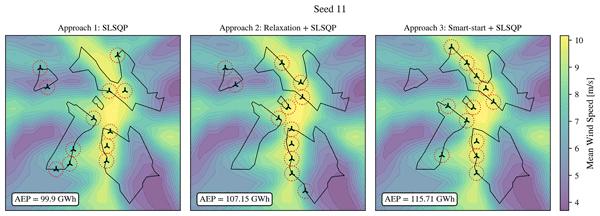
Javier Criado Risco, Rafael Valotta Rodrigues, Mikkel Friis-Møller, Julian Quick, Mads Mølgaard Pedersen, and Pierre-Elouan Réthoré
Wind Energ. Sci., 9, 585–600, https://doi.org/10.5194/wes-9-585-2024, https://doi.org/10.5194/wes-9-585-2024, 2024
Short summary
Short summary
Wind energy developers frequently have to face some spatial restrictions at the time of designing a new wind farm due to different reasons, such as the existence of protected natural areas around the wind farm location, fishing routes, and the presence of buildings. Wind farm design has to account for these restricted areas, but sometimes this is not straightforward to achieve. We have developed a methodology that allows for different inclusion and exclusion areas in the optimization framework.
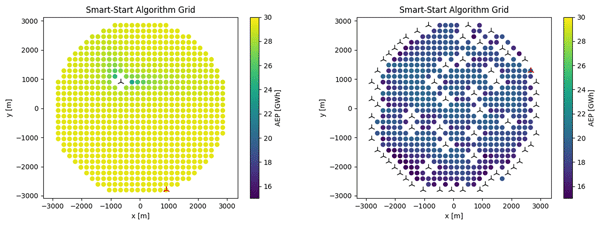
Rafael Valotta Rodrigues, Mads Mølgaard Pedersen, Jens Peter Schøler, Julian Quick, and Pierre-Elouan Réthoré
Wind Energ. Sci., 9, 321–341, https://doi.org/10.5194/wes-9-321-2024, https://doi.org/10.5194/wes-9-321-2024, 2024
Short summary
Short summary
The use of wind energy has been growing over the last few decades, and further increase is predicted. As the wind energy industry is starting to consider larger wind farms, the existing numerical methods for analysis of small and medium wind farms need to be improved. In this article, we have explored different strategies to tackle the problem in a feasible and timely way. The final product is a set of recommendations when carrying out trade-off analysis on large wind farms.
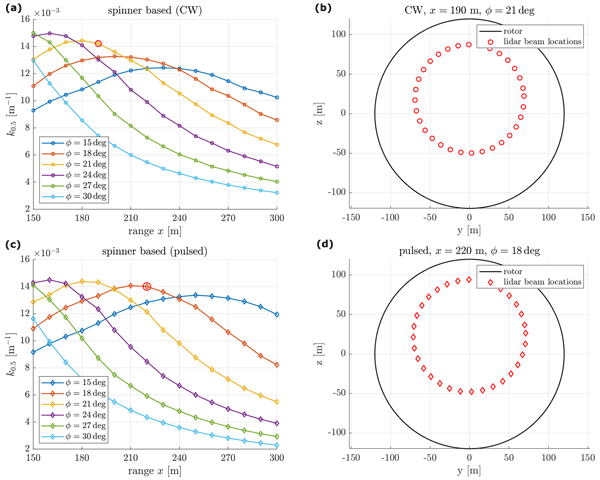
Wei Fu, Feng Guo, David Schlipf, and Alfredo Peña
Wind Energ. Sci., 8, 1893–1907, https://doi.org/10.5194/wes-8-1893-2023, https://doi.org/10.5194/wes-8-1893-2023, 2023
Short summary
Short summary
A high-quality preview of the rotor-effective wind speed is a key element of the benefits of feedforward pitch control. We model a one-beam lidar in the spinner of a 15 MW wind turbine. The lidar rotates with the wind turbine and scans the inflow in a circular pattern, mimicking a multiple-beam lidar at a lower cost. We found that a spinner-based one-beam lidar provides many more control benefits than the one on the nacelle, which is similar to a four-beam nacelle lidar for feedforward control.
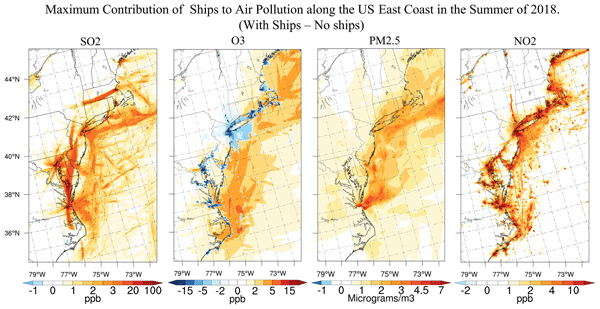
Maryam Golbazi and Cristina Archer
Atmos. Chem. Phys., 23, 15057–15075, https://doi.org/10.5194/acp-23-15057-2023, https://doi.org/10.5194/acp-23-15057-2023, 2023
Short summary
Short summary
We use scientific models to study the impact of ship emissions on air quality along the US East Coast. We find an increase in three major pollutants (PM2.5, NO2, and SO2) in coastal regions. However, we detect a reduction in ozone (O3) levels in major coastal cities. This reduction is linked to the significant emissions of nitrogen oxides (NOx) from ships, which scavenged O3, especially in highly polluted urban areas experiencing an NOx-limited regime.
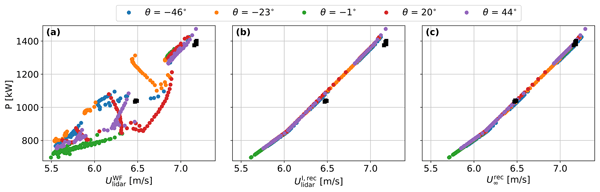
Alessandro Sebastiani, James Bleeg, and Alfredo Peña
Wind Energ. Sci., 8, 1795–1808, https://doi.org/10.5194/wes-8-1795-2023, https://doi.org/10.5194/wes-8-1795-2023, 2023
Short summary
Short summary
The power curve of a wind turbine indicates the turbine power output in relation to the wind speed. Therefore, power curves are critically important to estimate the production of future wind farms as well as to assess whether operating wind farms are functioning correctly. Since power curves are often measured in wind farms, they might be affected by the interactions between the turbines. We show that these effects are not negligible and present a method to correct for them.
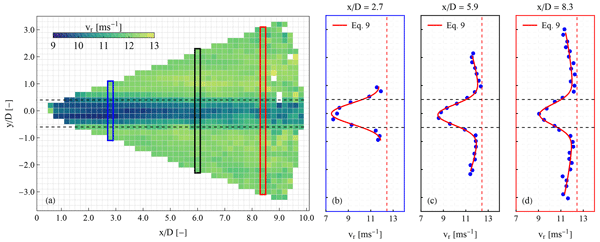
Nikolas Angelou, Jakob Mann, and Camille Dubreuil-Boisclair
Wind Energ. Sci., 8, 1511–1531, https://doi.org/10.5194/wes-8-1511-2023, https://doi.org/10.5194/wes-8-1511-2023, 2023
Short summary
Short summary
This study presents the first experimental investigation using two nacelle-mounted wind lidars that reveal the upwind and downwind conditions relative to a full-scale floating wind turbine. We find that in the case of floating wind turbines with small pitch and roll oscillating motions (< 1°), the ambient turbulence is the main driving factor that determines the propagation of the wake characteristics.
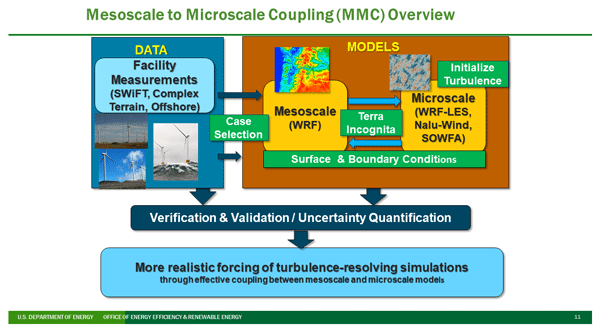
Sue Ellen Haupt, Branko Kosović, Larry K. Berg, Colleen M. Kaul, Matthew Churchfield, Jeffrey Mirocha, Dries Allaerts, Thomas Brummet, Shannon Davis, Amy DeCastro, Susan Dettling, Caroline Draxl, David John Gagne, Patrick Hawbecker, Pankaj Jha, Timothy Juliano, William Lassman, Eliot Quon, Raj K. Rai, Michael Robinson, William Shaw, and Regis Thedin
Wind Energ. Sci., 8, 1251–1275, https://doi.org/10.5194/wes-8-1251-2023, https://doi.org/10.5194/wes-8-1251-2023, 2023
Short summary
Short summary
The Mesoscale to Microscale Coupling team, part of the U.S. Department of Energy Atmosphere to Electrons (A2e) initiative, has studied various important challenges related to coupling mesoscale models to microscale models. Lessons learned and discerned best practices are described in the context of the cases studied for the purpose of enabling further deployment of wind energy. It also points to code, assessment tools, and data for testing the methods.
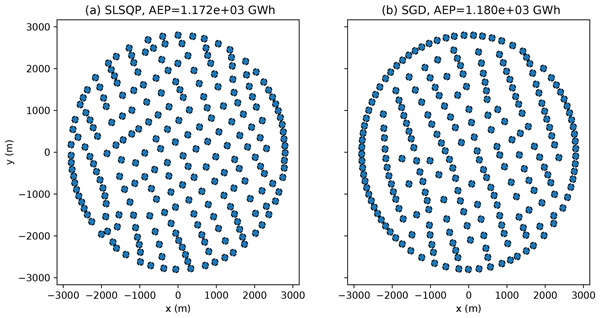
Julian Quick, Pierre-Elouan Rethore, Mads Mølgaard Pedersen, Rafael Valotta Rodrigues, and Mikkel Friis-Møller
Wind Energ. Sci., 8, 1235–1250, https://doi.org/10.5194/wes-8-1235-2023, https://doi.org/10.5194/wes-8-1235-2023, 2023
Short summary
Short summary
Wind turbine positions are often optimized to avoid wake losses. These losses depend on atmospheric conditions, such as the wind speed and direction. The typical optimization scheme involves discretizing the atmospheric inputs, then considering every possible set of these discretized inputs in every optimization iteration. This work presents stochastic gradient descent (SGD) as an alternative, which randomly samples the atmospheric conditions during every optimization iteration.
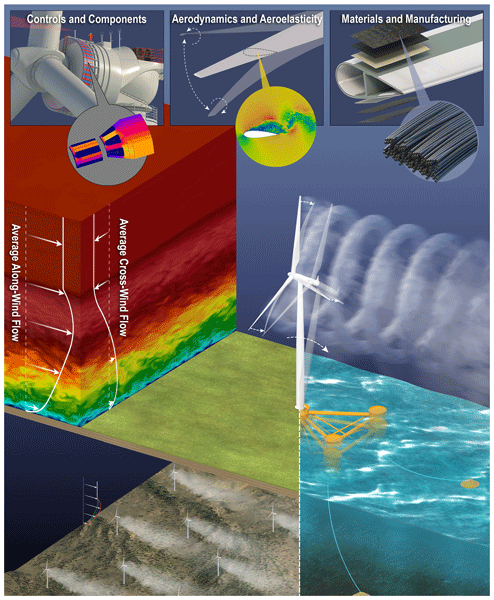
Paul Veers, Carlo L. Bottasso, Lance Manuel, Jonathan Naughton, Lucy Pao, Joshua Paquette, Amy Robertson, Michael Robinson, Shreyas Ananthan, Thanasis Barlas, Alessandro Bianchini, Henrik Bredmose, Sergio González Horcas, Jonathan Keller, Helge Aagaard Madsen, James Manwell, Patrick Moriarty, Stephen Nolet, and Jennifer Rinker
Wind Energ. Sci., 8, 1071–1131, https://doi.org/10.5194/wes-8-1071-2023, https://doi.org/10.5194/wes-8-1071-2023, 2023
Short summary
Short summary
Critical unknowns in the design, manufacturing, and operation of future wind turbine and wind plant systems are articulated, and key research activities are recommended.
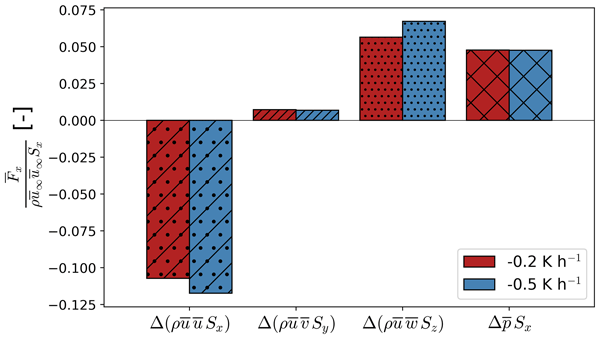
Miguel Sanchez Gomez, Julie K. Lundquist, Jeffrey D. Mirocha, and Robert S. Arthur
Wind Energ. Sci., 8, 1049–1069, https://doi.org/10.5194/wes-8-1049-2023, https://doi.org/10.5194/wes-8-1049-2023, 2023
Short summary
Short summary
The wind slows down as it approaches a wind plant; this phenomenon is called blockage. As a result, the turbines in the wind plant produce less power than initially anticipated. We investigate wind plant blockage for two atmospheric conditions. Blockage is larger for a wind plant compared to a stand-alone turbine. Also, blockage increases with atmospheric stability. Blockage is amplified by the vertical transport of horizontal momentum as the wind approaches the front-row turbines in the array.
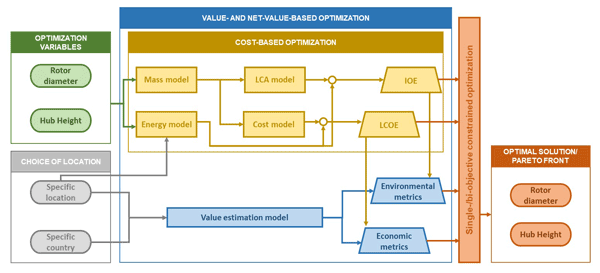
Helena Canet, Adrien Guilloré, and Carlo L. Bottasso
Wind Energ. Sci., 8, 1029–1047, https://doi.org/10.5194/wes-8-1029-2023, https://doi.org/10.5194/wes-8-1029-2023, 2023
Short summary
Short summary
We propose a new approach to design that aims at optimal trade-offs between economic and environmental goals. New environmental metrics are defined, which quantify impacts in terms of CO2-equivalent emissions produced by the turbine over its entire life cycle. For some typical onshore installations in Germany, results indicate that a 1 % increase in the cost of energy can buy about a 5 % decrease in environmental impacts: a small loss for the individual can lead to larger gains for society.
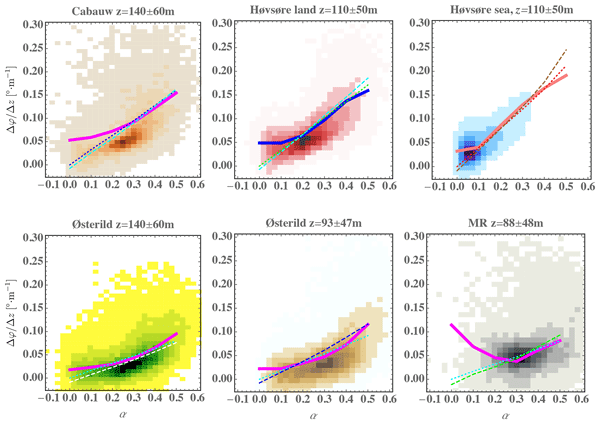
Mark Kelly and Maarten Paul van der Laan
Wind Energ. Sci., 8, 975–998, https://doi.org/10.5194/wes-8-975-2023, https://doi.org/10.5194/wes-8-975-2023, 2023
Short summary
Short summary
The turning of the wind with height, which is known as veer, can affect wind turbine performance. Thus far meteorology has only given idealized descriptions of veer, which has not yet been related in a way readily usable for wind energy. Here we derive equations for veer in terms of meteorological quantities and provide practically usable forms in terms of measurable shear (change in wind speed with height). Flow simulations and measurements at turbine heights support these developments.
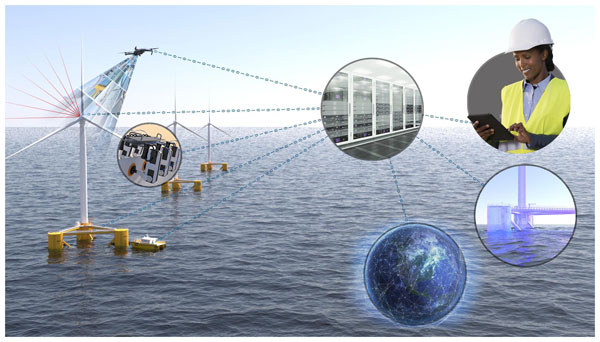
Andrew Clifton, Sarah Barber, Andrew Bray, Peter Enevoldsen, Jason Fields, Anna Maria Sempreviva, Lindy Williams, Julian Quick, Mike Purdue, Philip Totaro, and Yu Ding
Wind Energ. Sci., 8, 947–974, https://doi.org/10.5194/wes-8-947-2023, https://doi.org/10.5194/wes-8-947-2023, 2023
Short summary
Short summary
Wind energy creates huge amounts of data, which can be used to improve plant design, raise efficiency, reduce operating costs, and ease integration. These all contribute to cheaper and more predictable energy from wind. But realising the value of data requires a digital transformation that brings
grand challengesaround data, culture, and coopetition. This paper describes how the wind energy industry could work with R&D organisations, funding agencies, and others to overcome them.

Maarten Paul van der Laan, Oscar García-Santiago, Mark Kelly, Alexander Meyer Forsting, Camille Dubreuil-Boisclair, Knut Sponheim Seim, Marc Imberger, Alfredo Peña, Niels Nørmark Sørensen, and Pierre-Elouan Réthoré
Wind Energ. Sci., 8, 819–848, https://doi.org/10.5194/wes-8-819-2023, https://doi.org/10.5194/wes-8-819-2023, 2023
Short summary
Short summary
Offshore wind farms are more commonly installed in wind farm clusters, where wind farm interaction can lead to energy losses. In this work, an efficient numerical method is presented that can be used to estimate these energy losses. The novel method is verified with higher-fidelity numerical models and validated with measurements of an existing wind farm cluster.

Robert Braunbehrens, Andreas Vad, and Carlo L. Bottasso
Wind Energ. Sci., 8, 691–723, https://doi.org/10.5194/wes-8-691-2023, https://doi.org/10.5194/wes-8-691-2023, 2023
Short summary
Short summary
The paper presents a new method in which wind turbines in a wind farm act as local sensors, in this way detecting the flow that develops within the power plant. Through this technique, we are able to identify effects on the flow generated by the plant itself and by the orography of the terrain. The new method not only delivers a flow model of much improved quality but can also help in understanding phenomena that drive the farm performance.
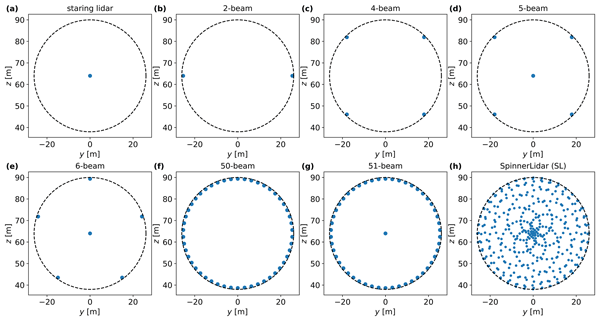
Wei Fu, Alessandro Sebastiani, Alfredo Peña, and Jakob Mann
Wind Energ. Sci., 8, 677–690, https://doi.org/10.5194/wes-8-677-2023, https://doi.org/10.5194/wes-8-677-2023, 2023
Short summary
Short summary
Nacelle lidars with different beam scanning locations and two types of systems are considered for inflow turbulence estimations using both numerical simulations and field measurements. The turbulence estimates from a sonic anemometer at the hub height of a Vestas V52 turbine are used as references. The turbulence parameters are retrieved using the radial variances and a least-squares procedure. The findings from numerical simulations have been verified by the analysis of the field measurements.
Nicola Bodini, Simon Castagneri, and Mike Optis
Wind Energ. Sci., 8, 607–620, https://doi.org/10.5194/wes-8-607-2023, https://doi.org/10.5194/wes-8-607-2023, 2023
Short summary
Short summary
The National Renewable Energy Laboratory (NREL) has published updated maps of the wind resource along all US coasts. Given the upcoming offshore wind development, it is essential to quantify the uncertainty that comes with the modeled wind resource data set. The paper proposes a novel approach to quantify this numerical uncertainty by leveraging available observations along the US East Coast.
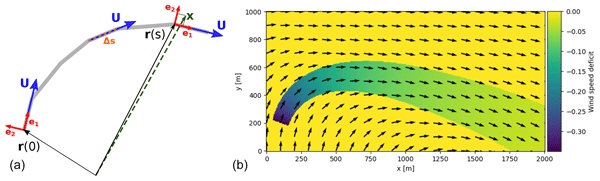
Anna von Brandis, Gabriele Centurelli, Jonas Schmidt, Lukas Vollmer, Bughsin' Djath, and Martin Dörenkämper
Wind Energ. Sci., 8, 589–606, https://doi.org/10.5194/wes-8-589-2023, https://doi.org/10.5194/wes-8-589-2023, 2023
Short summary
Short summary
We propose that considering large-scale wind direction changes in the computation of wind farm cluster wakes is of high relevance. Consequently, we present a new solution for engineering modeling tools that accounts for the effect of such changes in the propagation of wakes. The new model is evaluated with satellite data in the German Bight area. It has the potential to reduce uncertainty in applications such as site assessment and short-term power forecasting.
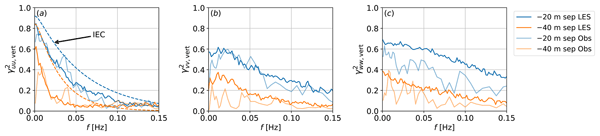
Regis Thedin, Eliot Quon, Matthew Churchfield, and Paul Veers
Wind Energ. Sci., 8, 487–502, https://doi.org/10.5194/wes-8-487-2023, https://doi.org/10.5194/wes-8-487-2023, 2023
Short summary
Short summary
We investigate coherence and correlation and highlight their importance for disciplines like wind energy structural dynamic analysis, in which blade loading and fatigue depend on turbulence structure. We compare coherence estimates to those computed using a model suggested by international standards. We show the differences and highlight additional information that can be gained using large-eddy simulation, further improving analytical coherence models used in synthetic turbulence generators.
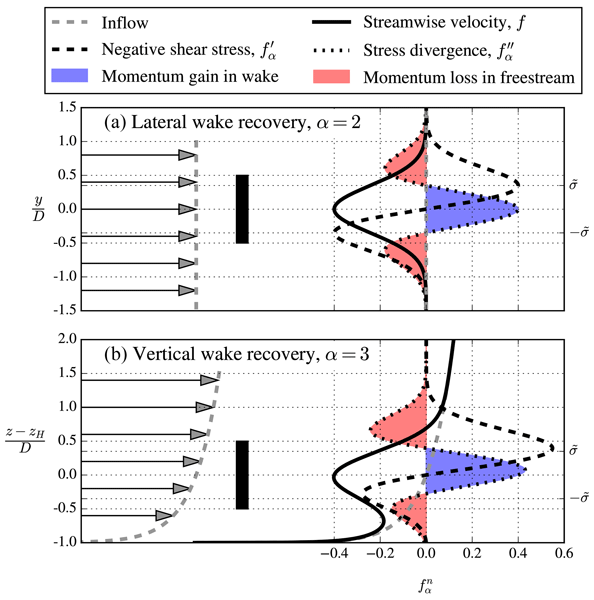
Maarten Paul van der Laan, Mads Baungaard, and Mark Kelly
Wind Energ. Sci., 8, 247–254, https://doi.org/10.5194/wes-8-247-2023, https://doi.org/10.5194/wes-8-247-2023, 2023
Short summary
Short summary
Understanding wind turbine wake recovery is important to mitigate energy losses in wind farms. Wake recovery is often assumed or explained to be dependent on the first-order derivative of velocity. In this work we show that wind turbine wakes recover mainly due to the second-order derivative of the velocity, which transport momentum from the freestream towards the wake center. The wake recovery mechanisms and results of a high-fidelity numerical simulation are illustrated using a simple model.
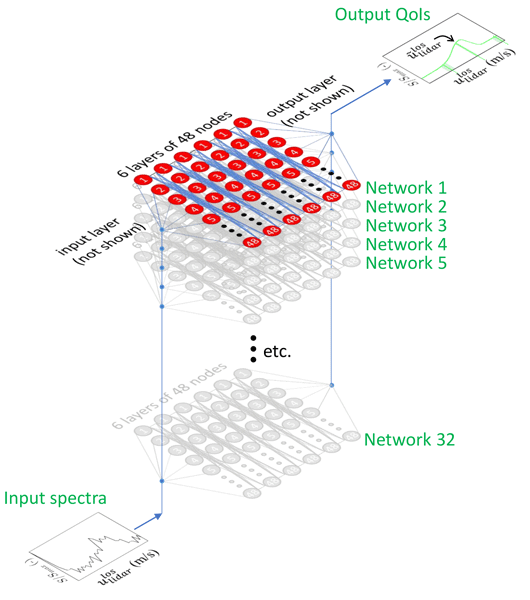
Kenneth A. Brown and Thomas G. Herges
Atmos. Meas. Tech., 15, 7211–7234, https://doi.org/10.5194/amt-15-7211-2022, https://doi.org/10.5194/amt-15-7211-2022, 2022
Short summary
Short summary
The character of the airflow around and within wind farms has a significant impact on the energy output and longevity of the wind turbines in the farm. For both research and control purposes, accurate measurements of the wind speed are required, and these are often accomplished with remote sensing devices. This article pertains to a field experiment of a lidar mounted to a wind turbine and demonstrates three data post-processing techniques with efficacy at extracting useful airflow information.
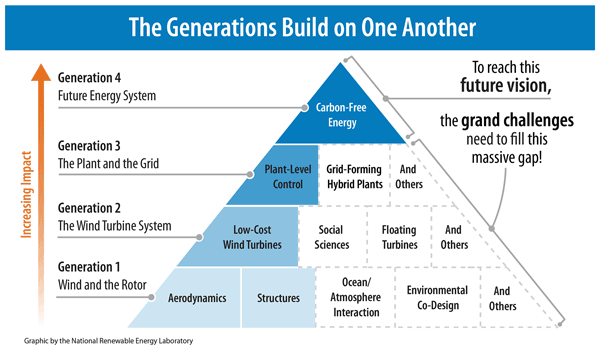
Paul Veers, Katherine Dykes, Sukanta Basu, Alessandro Bianchini, Andrew Clifton, Peter Green, Hannele Holttinen, Lena Kitzing, Branko Kosovic, Julie K. Lundquist, Johan Meyers, Mark O'Malley, William J. Shaw, and Bethany Straw
Wind Energ. Sci., 7, 2491–2496, https://doi.org/10.5194/wes-7-2491-2022, https://doi.org/10.5194/wes-7-2491-2022, 2022
Short summary
Short summary
Wind energy will play a central role in the transition of our energy system to a carbon-free future. However, many underlying scientific issues remain to be resolved before wind can be deployed in the locations and applications needed for such large-scale ambitions. The Grand Challenges are the gaps in the science left behind during the rapid growth of wind energy. This article explains the breadth of the unfinished business and introduces 10 articles that detail the research needs.
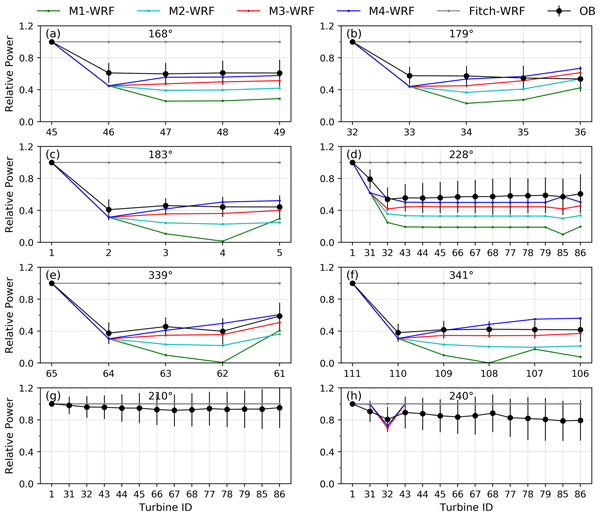
Yulong Ma, Cristina L. Archer, and Ahmadreza Vasel-Be-Hagh
Wind Energ. Sci., 7, 2407–2431, https://doi.org/10.5194/wes-7-2407-2022, https://doi.org/10.5194/wes-7-2407-2022, 2022
Short summary
Short summary
Wind turbine wakes are important because they reduce the power production of wind farms and may cause unintended impacts on the weather around wind farms. Weather prediction models, like WRF and MPAS, are often used to predict both power and impacts of wind farms, but they lack an accurate treatment of wind farm wakes. We developed the Jensen wind farm parameterization, based on the existing Jensen model of an idealized wake. The Jensen parameterization is accurate and computationally efficient.

Andrea N. Hahmann, Oscar García-Santiago, and Alfredo Peña
Wind Energ. Sci., 7, 2373–2391, https://doi.org/10.5194/wes-7-2373-2022, https://doi.org/10.5194/wes-7-2373-2022, 2022
Short summary
Short summary
We explore the changes in wind energy resources in northern Europe using output from simulations from the Climate Model Intercomparison Project (CMIP6) under the high-emission scenario. Our results show that climate change does not particularly alter annual energy production in the North Sea but could affect the seasonal distribution of these resources, significantly reducing energy production during the summer from 2031 to 2050.
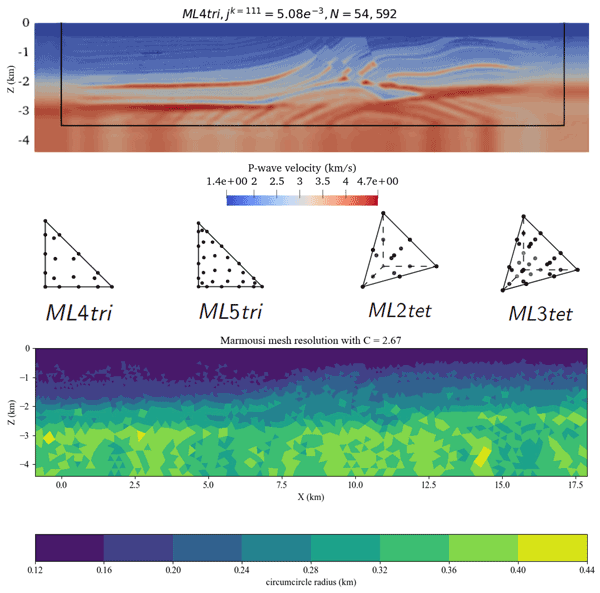
Keith J. Roberts, Alexandre Olender, Lucas Franceschini, Robert C. Kirby, Rafael S. Gioria, and Bruno S. Carmo
Geosci. Model Dev., 15, 8639–8667, https://doi.org/10.5194/gmd-15-8639-2022, https://doi.org/10.5194/gmd-15-8639-2022, 2022
Short summary
Short summary
Finite-element methods (FEMs) permit the use of more flexible unstructured meshes but are rarely used in full waveform inversions (FWIs), an iterative process that reconstructs velocity models of earth’s subsurface, due to computational and memory storage costs. To reduce those costs, novel software is presented allowing the use of high-order mass-lumped FEMs on triangular meshes, together with a material-property mesh-adaptation performance-enhancing strategy, enabling its use in FWIs.
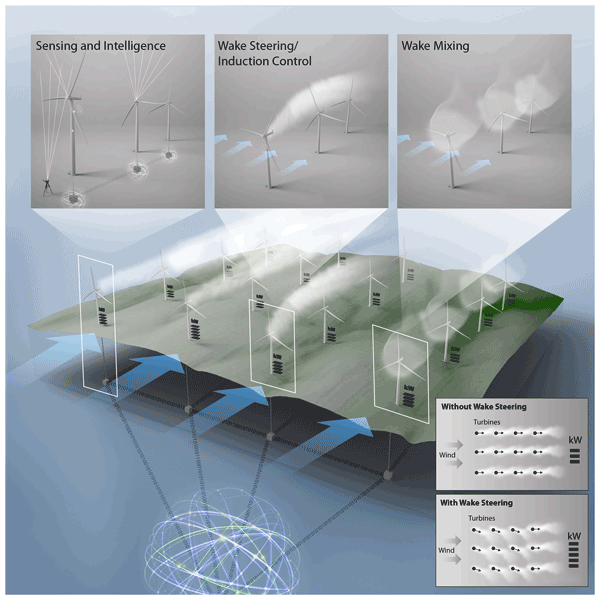
Johan Meyers, Carlo Bottasso, Katherine Dykes, Paul Fleming, Pieter Gebraad, Gregor Giebel, Tuhfe Göçmen, and Jan-Willem van Wingerden
Wind Energ. Sci., 7, 2271–2306, https://doi.org/10.5194/wes-7-2271-2022, https://doi.org/10.5194/wes-7-2271-2022, 2022
Short summary
Short summary
We provide a comprehensive overview of the state of the art and the outstanding challenges in wind farm flow control, thus identifying the key research areas that could further enable commercial uptake and success. To this end, we have structured the discussion on challenges and opportunities into four main areas: (1) insight into control flow physics, (2) algorithms and AI, (3) validation and industry implementation, and (4) integrating control with system design
(co-design).
Alex Rybchuk, Timothy W. Juliano, Julie K. Lundquist, David Rosencrans, Nicola Bodini, and Mike Optis
Wind Energ. Sci., 7, 2085–2098, https://doi.org/10.5194/wes-7-2085-2022, https://doi.org/10.5194/wes-7-2085-2022, 2022
Short summary
Short summary
Numerical weather prediction models are used to predict how wind turbines will interact with the atmosphere. Here, we characterize the uncertainty associated with the choice of turbulence parameterization on modeled wakes. We find that simulated wind speed deficits in turbine wakes can be significantly sensitive to the choice of turbulence parameterization. As such, predictions of future generated power are also sensitive to turbulence parameterization choice.
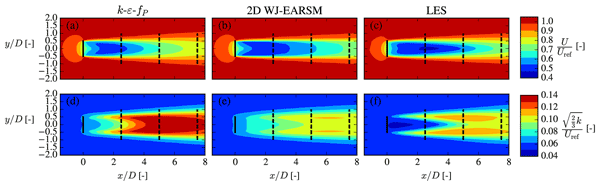
Mads Baungaard, Stefan Wallin, Maarten Paul van der Laan, and Mark Kelly
Wind Energ. Sci., 7, 1975–2002, https://doi.org/10.5194/wes-7-1975-2022, https://doi.org/10.5194/wes-7-1975-2022, 2022
Short summary
Short summary
Wind turbine wakes in the neutral atmospheric surface layer are simulated with Reynolds-averaged Navier–Stokes (RANS) using an explicit algebraic Reynolds stress model. Contrary to standard two-equation turbulence models, it can predict turbulence anisotropy and complex physical phenomena like secondary motions. For the cases considered, it improves Reynolds stress, turbulence intensity, and velocity deficit predictions, although a more top-hat-shaped profile is observed for the latter.
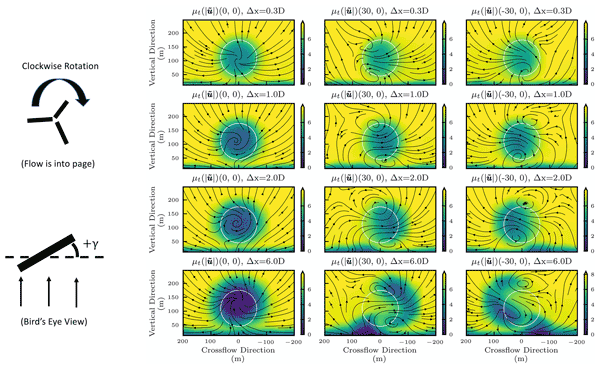
Julian Quick, Ryan N. King, Garrett Barter, and Peter E. Hamlington
Wind Energ. Sci., 7, 1941–1955, https://doi.org/10.5194/wes-7-1941-2022, https://doi.org/10.5194/wes-7-1941-2022, 2022
Short summary
Short summary
Wake steering is an emerging wind power plant control strategy where upstream turbines are intentionally yawed out of alignment with the incoming wind, thereby steering wakes away from downstream turbines. Trade-offs between the gains in power production and fatigue loads induced by this control strategy are the subject of continuing investigation. In this study, we present an optimization approach for efficiently exploring the trade-offs between power and loading during wake steering.
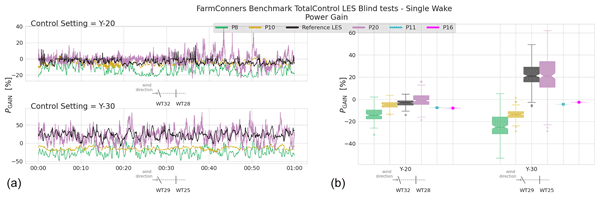
Tuhfe Göçmen, Filippo Campagnolo, Thomas Duc, Irene Eguinoa, Søren Juhl Andersen, Vlaho Petrović, Lejla Imširović, Robert Braunbehrens, Jaime Liew, Mads Baungaard, Maarten Paul van der Laan, Guowei Qian, Maria Aparicio-Sanchez, Rubén González-Lope, Vinit V. Dighe, Marcus Becker, Maarten J. van den Broek, Jan-Willem van Wingerden, Adam Stock, Matthew Cole, Renzo Ruisi, Ervin Bossanyi, Niklas Requate, Simon Strnad, Jonas Schmidt, Lukas Vollmer, Ishaan Sood, and Johan Meyers
Wind Energ. Sci., 7, 1791–1825, https://doi.org/10.5194/wes-7-1791-2022, https://doi.org/10.5194/wes-7-1791-2022, 2022
Short summary
Short summary
The FarmConners benchmark is the first of its kind to bring a wide variety of data sets, control settings, and model complexities for the (initial) assessment of wind farm flow control benefits. Here we present the first part of the benchmark results for three blind tests with large-scale rotors and 11 participating models in total, via direct power comparisons at the turbines as well as the observed or estimated power gain at the wind farm level under wake steering control strategy.
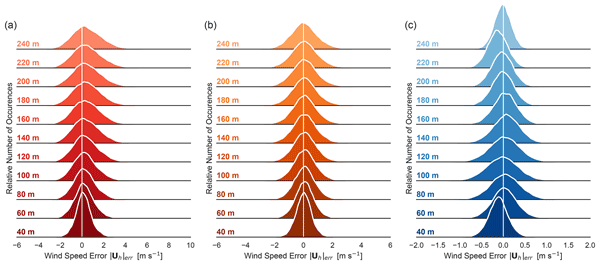
Rachel Robey and Julie K. Lundquist
Atmos. Meas. Tech., 15, 4585–4622, https://doi.org/10.5194/amt-15-4585-2022, https://doi.org/10.5194/amt-15-4585-2022, 2022
Short summary
Short summary
Our work investigates the behavior of errors in remote-sensing wind lidar measurements due to turbulence. Using a virtual instrument, we measured winds in simulated atmospheric flows and decomposed the resulting error. Dominant error mechanisms, particularly vertical velocity variations and interactions with shear, were identified in ensemble data over three test cases. By analyzing the underlying mechanisms, the response of the error behavior to further varying flow conditions may be projected.
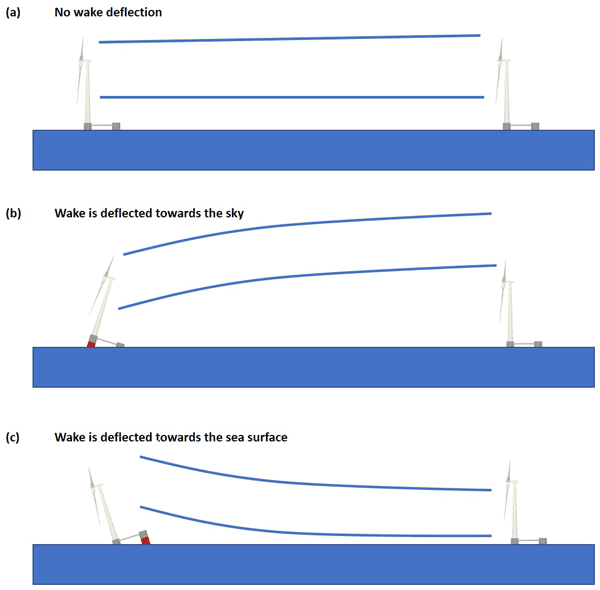
Emmanouil M. Nanos, Carlo L. Bottasso, Simone Tamaro, Dimitris I. Manolas, and Vasilis A. Riziotis
Wind Energ. Sci., 7, 1641–1660, https://doi.org/10.5194/wes-7-1641-2022, https://doi.org/10.5194/wes-7-1641-2022, 2022
Short summary
Short summary
A novel way of wind farm control is presented where the wake is deflected vertically to reduce interactions with downstream turbines. This is achieved by moving ballast in a floating offshore platform in order to pitch the support structure and thereby tilt the wind turbine rotor disk. The study considers the effects of this new form of wake control on the aerodynamics of the steering and wake-affected turbines, on the structure, and on the ballast motion system.

Stefan Loew and Carlo L. Bottasso
Wind Energ. Sci., 7, 1605–1625, https://doi.org/10.5194/wes-7-1605-2022, https://doi.org/10.5194/wes-7-1605-2022, 2022
Short summary
Short summary
This publication presents methods to improve the awareness and control of material fatigue for wind turbines. This is achieved by enhancing a sophisticated control algorithm which utilizes wind prediction information from a laser measurement device. The simulation results indicate that the novel algorithm significantly improves the economic performance of a wind turbine. This benefit is particularly high for situations when the prediction quality is low or the prediction time frame is short.
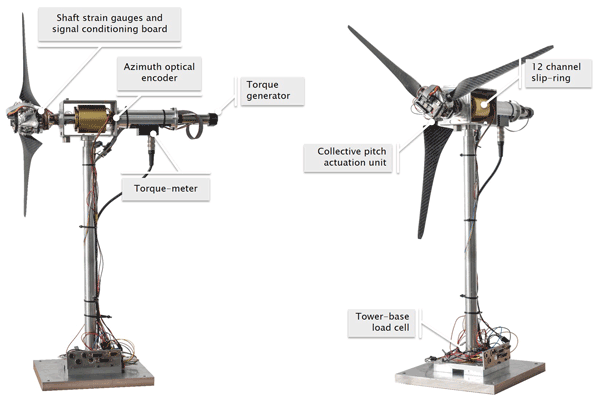
Emmanouil M. Nanos, Carlo L. Bottasso, Filippo Campagnolo, Franz Mühle, Stefano Letizia, G. Valerio Iungo, and Mario A. Rotea
Wind Energ. Sci., 7, 1263–1287, https://doi.org/10.5194/wes-7-1263-2022, https://doi.org/10.5194/wes-7-1263-2022, 2022
Short summary
Short summary
The paper describes the design of a scaled wind turbine in detail, for studying wakes and wake control applications in the known, controllable and repeatable conditions of a wind tunnel. The scaled model is characterized by conducting experiments in two wind tunnels, in different conditions, using different measurement equipment. Results are also compared to predictions obtained with models of various fidelity. The analysis indicates that the model fully satisfies the initial requirements.
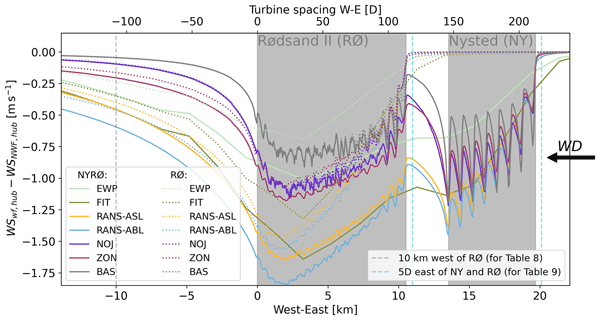
Jana Fischereit, Kurt Schaldemose Hansen, Xiaoli Guo Larsén, Maarten Paul van der Laan, Pierre-Elouan Réthoré, and Juan Pablo Murcia Leon
Wind Energ. Sci., 7, 1069–1091, https://doi.org/10.5194/wes-7-1069-2022, https://doi.org/10.5194/wes-7-1069-2022, 2022
Short summary
Short summary
Wind turbines extract kinetic energy from the flow to create electricity. This induces a wake of reduced wind speed downstream of a turbine and consequently downstream of a wind farm. Different types of numerical models have been developed to calculate this effect. In this study, we compared models of different complexity, together with measurements over two wind farms. We found that higher-fidelity models perform better and the considered rapid models cannot fully capture the wake effect.
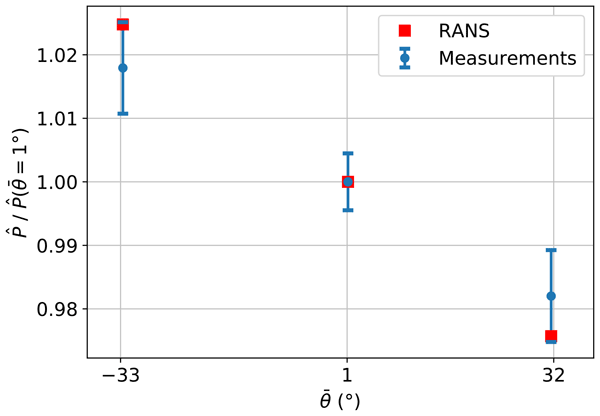
Alessandro Sebastiani, Alfredo Peña, Niels Troldborg, and Alexander Meyer Forsting
Wind Energ. Sci., 7, 875–886, https://doi.org/10.5194/wes-7-875-2022, https://doi.org/10.5194/wes-7-875-2022, 2022
Short summary
Short summary
The power performance of a wind turbine is often tested with the turbine standing in a row of several wind turbines, as it is assumed that the performance is not affected by the neighbouring turbines. We test this assumption with both simulations and measurements, and we show that the power performance can be either enhanced or lowered by the neighbouring wind turbines. Consequently, we also show how power performance testing might be biased when performed on a row of several wind turbines.
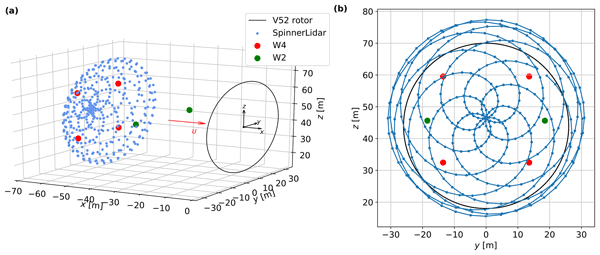
Wei Fu, Alfredo Peña, and Jakob Mann
Wind Energ. Sci., 7, 831–848, https://doi.org/10.5194/wes-7-831-2022, https://doi.org/10.5194/wes-7-831-2022, 2022
Short summary
Short summary
Measuring the variability of the wind is essential to operate the wind turbines safely. Lidars of different configurations have been placed on the turbines’ nacelle to measure the inflow remotely. This work found that the multiple-beam lidar is the only one out of the three employed nacelle lidars that can give detailed information about the inflow variability. The other two commercial lidars, which have two and four beams, respectively, measure only the fluctuation in the along-wind direction.
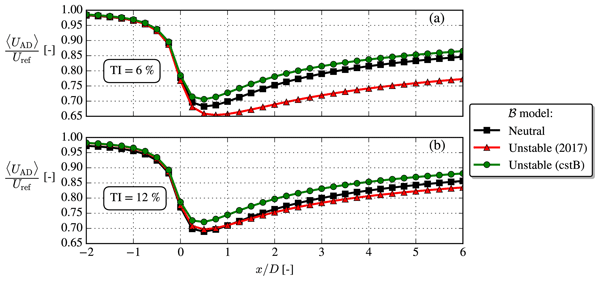
Mads Baungaard, Maarten Paul van der Laan, and Mark Kelly
Wind Energ. Sci., 7, 783–800, https://doi.org/10.5194/wes-7-783-2022, https://doi.org/10.5194/wes-7-783-2022, 2022
Short summary
Short summary
Wind turbine wakes are dependent on the atmospheric conditions, and it is therefore important to be able to simulate in various different atmospheric conditions. This paper concerns the specific case of an unstable atmospheric surface layer, which is the lower part of the typical daytime atmospheric boundary layer. A simple flow model is suggested and tested for a range of single-wake scenarios, and it shows promising results for velocity deficit predictions.
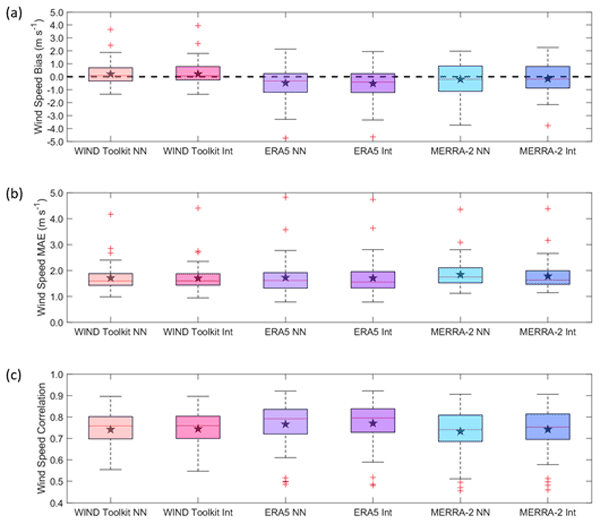
Lindsay M. Sheridan, Caleb Phillips, Alice C. Orrell, Larry K. Berg, Heidi Tinnesand, Raj K. Rai, Sagi Zisman, Dmitry Duplyakin, and Julia E. Flaherty
Wind Energ. Sci., 7, 659–676, https://doi.org/10.5194/wes-7-659-2022, https://doi.org/10.5194/wes-7-659-2022, 2022
Short summary
Short summary
The small wind community relies on simplified wind models and energy production simulation tools to obtain energy generation expectations. We gathered actual wind speed and turbine production data across the US to test the accuracy of models and tools for small wind turbines. This study provides small wind installers and owners with the error metrics and sources of error associated with using models and tools to make performance estimates, empowering them to adjust expectations accordingly.
Vincent Pronk, Nicola Bodini, Mike Optis, Julie K. Lundquist, Patrick Moriarty, Caroline Draxl, Avi Purkayastha, and Ethan Young
Wind Energ. Sci., 7, 487–504, https://doi.org/10.5194/wes-7-487-2022, https://doi.org/10.5194/wes-7-487-2022, 2022
Short summary
Short summary
In this paper, we have assessed to which extent mesoscale numerical weather prediction models are more accurate than state-of-the-art reanalysis products in characterizing the wind resource at heights of interest for wind energy. The conclusions of our work will be of primary importance to the wind industry for recommending the best data sources for wind resource modeling.
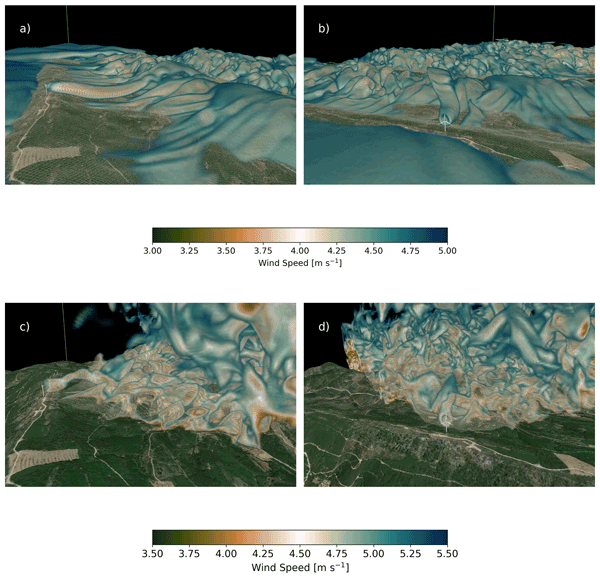
Adam S. Wise, James M. T. Neher, Robert S. Arthur, Jeffrey D. Mirocha, Julie K. Lundquist, and Fotini K. Chow
Wind Energ. Sci., 7, 367–386, https://doi.org/10.5194/wes-7-367-2022, https://doi.org/10.5194/wes-7-367-2022, 2022
Short summary
Short summary
Wind turbine wake behavior in hilly terrain depends on various atmospheric conditions. We modeled a wind turbine located on top of a ridge in Portugal during typical nighttime and daytime atmospheric conditions and validated these model results with observational data. During nighttime conditions, the wake deflected downwards following the terrain. During daytime conditions, the wake deflected upwards. These results can provide insight into wind turbine siting and operation in hilly regions.
Dan Houck, David Maniaci, and Chris L. Kelley
Wind Energ. Sci. Discuss., https://doi.org/10.5194/wes-2021-122, https://doi.org/10.5194/wes-2021-122, 2021
Preprint withdrawn
Short summary
Short summary
Like young children without help, wind turbines are bad at sharing. Those that are first in line (most upstream) take all the fresh air leaving little for those downstream. This research shows how turbines can operate to share the wind resource better and what parameters are most important for optimizing this technique. Results indicate that power gains of 10 % can be achieved if upstream turbines are operated differently, which may help operators produce more wind power.
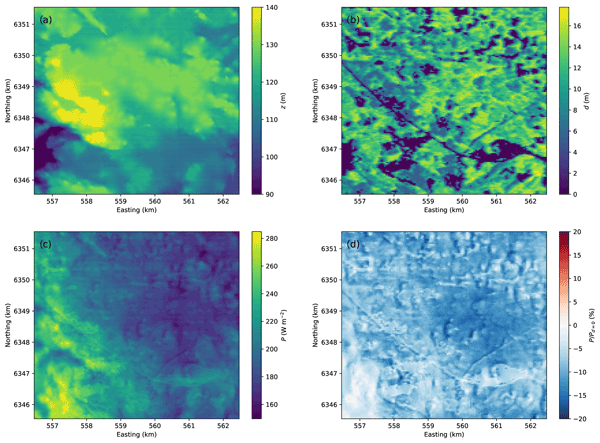
Rogier Floors, Merete Badger, Ib Troen, Kenneth Grogan, and Finn-Hendrik Permien
Wind Energ. Sci., 6, 1379–1400, https://doi.org/10.5194/wes-6-1379-2021, https://doi.org/10.5194/wes-6-1379-2021, 2021
Short summary
Short summary
Wind turbines are frequently placed in forests. We investigate the potential of using satellites to characterize the land surface for wind flow modelling. Maps of forest properties are generated from satellite data and converted to flow modelling maps. Validation is carried out at 10 sites. Using the novel satellite-based maps leads to lower errors of the power density than land cover databases, which demonstrates the value of using satellite-based land cover maps for flow modelling.
Nicola Bodini, Weiming Hu, Mike Optis, Guido Cervone, and Stefano Alessandrini
Wind Energ. Sci., 6, 1363–1377, https://doi.org/10.5194/wes-6-1363-2021, https://doi.org/10.5194/wes-6-1363-2021, 2021
Short summary
Short summary
We develop two machine-learning-based approaches to temporally extrapolate uncertainty in hub-height wind speed modeled by a numerical weather prediction model. We test our approaches in the California Outer Continental Shelf, where a significant offshore wind energy development is currently being planned, and we find that both provide accurate results.
Cited articles
Archer, C. L., Wu, S., Ma, Y., and Jiménez, P. A.: Two corrections for turbulent kinetic energy generated by wind farms in the WRF model, Mon. Weather Rev., 148, 4823–4835, https://doi.org/10.1175/MWR-D-20-0097.1, 2020. a, b, c
Bastankhah, M. and Porté-Agel, F.: A new analytical model for wind-turbine wakes, Renew. Energ., 70, 116–123, https://doi.org/10.1016/j.renene.2014.01.002, 2014. a
Bastankhah, M. and Porté-Agel, F.: Experimental and theoretical study of wind turbine wakes in yawed conditions, J. Fluid Mech., 806, 506–541, https://doi.org/10.1017/jfm.2016.595, 2016. a, b
Baungaard, M., van der Laan, M. P., and Kelly, M.: RANS modeling of a single wind turbine wake in the unstable surface layer, Wind Energ. Sci., 7, 783–800, https://doi.org/10.5194/wes-7-783-2022, 2022. a, b
Benjamin, S. G., Brown, J. M., Brundage, K. J., Devenyi, D., Grell, G. A., Kim, D., Schwartz, B. E., Smirnova, T. G., Smith, T. L., Weygandt, S. S., and Manikin, G. S.: RUC20: the 20-km version of the Rapid Update Cycle, https://repository.library.noaa.gov/view/noaa/31413 (last access: 3 December 2025), 2002. a
Blondel, F. and Cathelain, M.: An alternative form of the super-Gaussian wind turbine wake model, Wind Energ. Sci., 5, 1225–1236, https://doi.org/10.5194/wes-5-1225-2020, 2020. a
Bodini, N.: AWAKEN wind farm wake benchmark inputs [Dataset]. Zenodo. https://doi.org/10.5281/zenodo.15623845, 2025. a
Bodini, N., Lundquist, J. K., and Moriarty, P.: Wind plants can impact long-term local atmospheric conditions, Sci. Rep., 11, 22939, https://doi.org/10.1038/s41598-021-02089-2, 2021. a
Braunbehrens, R., Vad, A., and Bottasso, C. L.: The wind farm as a sensor: learning and explaining orographic and plant-induced flow heterogeneities from operational data, Wind Energ. Sci., 8, 691–723, https://doi.org/10.5194/wes-8-691-2023, 2023. a
Brown, A. R., Hobson, J. M., and Wood, N.: Large-Eddy Simulation Of Neutral Turbulent Flow Over Rough Sinusoidal Ridges, Bound.-Lay. Meteorol., 98, 411–441, https://doi.org/10.1023/A:1018703209408, 2001. a
Chen, F. and Dudhia, J.: Coupling an advanced land surface–hydrology model with the Penn State–NCAR MM5 modeling system. Part I: Model implementation and sensitivity, Mon. Weather Rev., 129, 569–585, https://doi.org/10.1175/1520-0493(2001)129<0569:CAALSH>2.0.CO;2, 2001. a
Crespo, A. and Hernández, J.: Turbulence characteristics in wind-turbine wakes, J. Wind Eng. Ind. Aerod., 61, 71–85, https://doi.org/10.1016/0167-6105(95)00033-X, 1996. a, b
Deardorff, J. W.: Stratocumulus-capped mixed layers derived from a three-dimensional model, Bound.-Lay. Meteorol., 18, 495–527, https://doi.org/10.1007/BF00119502, 1980. a
Doubrawa, P., Quon, E. W., Martinez-Tossas, L. A., Shaler, K., Debnath, M., Hamilton, N., Herges, T. G., Maniaci, D., Kelley, C. L., Hsieh, A. S., Blaylock, M. L., van der Laan, P., Andersen, S. J., Krueger, S., Cathelain, M., Schlez, W., Jonkman, J., Branlard, E., Steinfeld, G., Schmidt, S., Blondel, F., Lukassen, L. J., and Moriarty, P.: Multimodel validation of single wakes in neutral and stratified atmospheric conditions, Wind Energy, 23, 2027–2055, https://doi.org/10.1002/we.2543, 2020. a
Dowell, D. C., Alexander, C. R., James, E. P., Weygandt, S. S., Benjamin, S. G., Manikin, G. S., Blake, B. T., Brown, J. M., Olson, J. B., Hu, M., Smirnova, T. G., Ladwig, T., Kenyon, J. S., Ahmadov, R., Turner, D. D., Duda, J. D., and Alcott, T. I.: The High-Resolution Rapid Refresh (HRRR): An hourly updating convection-allowing forecast model. Part I: Motivation and system description, Weather Forecast., 37, 1371–1395, https://doi.org/10.1175/WAF-D-21-0151.1, 2022. a, b, c, d
DTU Wind and Energy Systems: PyWakeEllipSys v5.4, https://topfarm.pages.windenergy.dtu.dk/cuttingedge/pywake/pywake_ellipsys/ (last access: 24 August 2026), 2025. a
Dudhia, J.: Numerical study of convection observed during the winter monsoon experiment using a mesoscale two-dimensional model, J. Atmos. Sci., 46, 3077–3107, https://doi.org/10.1175/1520-0469(1989)046<3077:NSOCOD>2.0.CO;2, 1989. a
Ferry, M.: New features of MIGAL solver, in: Proceedings of the PHOENICS Users International Conference, Moscow, Russia, 23–27 September, https://www.researchgate.net/publication/253893542_New_Features_of_MIGAL_solver (last access: 24 August 2026), 2002. a
Floors, R., Badger, M., Troen, I., Grogan, K., and Permien, F.-H.: Satellite-based estimation of roughness lengths and displacement heights for wind resource modelling, Wind Energ. Sci., 6, 1379–1400, https://doi.org/10.5194/wes-6-1379-2021, 2021. a
Floors, R., Troen, I., and Peña, A.: Using observed and modelled heat fluxes for improved extrapolation of wind distributions, Bound.-Lay. Meteorol., 188, 75–101, https://doi.org/10.1007/s10546-023-00803-3, 2023. a
Hersbach, H., Bell, B., Berrisford, P., Hirahara, S., Horányi, A., Muñoz-Sabater, J., Nicolas, J., Peubey, C., Radu, R., Schepers, D., Simmons, A., Soci, C., Abdalla, S., Abellan, X., Balsamo, G., Bechtold, P., Biavati, G., Bidlot, J., Bonavita, M., De Chiara, G., Dahlgren, P., Dee, D., Diamantakis, M., Dragani, R., Flemming, J., Forbes, R., Fuentes, M., Geer, A., Haimberger, L., Healy, S., Hogan, R. J., Hólm, E., Janisková, M., Keeley, S., Laloyaux, P., Lopez, P., Lupu, C., Radnoti, G., de Rosnay, P., Rozum, I., Vamborg, F., Villaume, S., and Thépaut, J.-N.: The ERA5 global reanalysis, Q. J. Roy. Meteor. Soc., 146, 1999–2049, https://doi.org/10.1002/qj.3803, 2020. a, b, c, d, e
Hong, S.-Y., Noh, Y., and Dudhia, J.: A new vertical diffusion package with an explicit treatment of entrainment processes, Mon. Weather Rev., 134, 2318–2341, https://doi.org/10.1175/MWR3199.1, 2006. a
Janjić, Z. I.: The step-mountain eta coordinate model: Further developments of the convection, viscous sublayer, and turbulence closure schemes, Mon. Weather Rev., 122, 927–945, 1994. a
Jensen, N. O.: A note on wind generator interaction, Risø National Laboratory, 1983. a
Katic, I., Højstrup, J., and Jensen, N. O.: A Simple Model for Cluster Efficiency, in: EWEC'86. Proceedings, edited by: Palz, W. and Sesto, E., 1, 407–410, https://backend.orbit.dtu.dk/ws/files/106427419/A_Simple_Model_for_Cluster_Efficiency_EWEC_86_.pdf (last access: 3 December 2025), 1987. a
Khanjari, A. and Archer, C.: Superposition of wind turbine wake properties: Recommendations for mesoscale simulations, Wind Energy, in review, 2026. a
Khanjari, A., Feroz, A., and Archer, C. L.: An analytical formulation for turbulence kinetic energy added by wind turbines based on large-eddy simulation, Wind Energ. Sci., 10, 887–905, https://doi.org/10.5194/wes-10-887-2025, 2025. a
Kuhn, M. B., Henry de Frahan, M. T., Mohan, P., Deskos, G., Churchfield, M., Cheung, L., Sharma, A., Almgren, A., Ananthan, S., Brazell, M. J., Martínez-Tossas, L. A., Thedin, R., Rood, J., Sakievich, P., Vijayakumar, G., Zhang, W., and Sprague, M.: AMR-Wind: A Performance-Portable, High-Fidelity Flow Solver for Wind Farm Simulations, Wind Energy, 28, e70010, https://doi.org/10.1002/we.70010, 2025. a
Ma, Y., Archer, C. L., and Vasel-Be-Hagh, A.: The Jensen wind farm parameterization, Wind Energ. Sci., 7, 2407–2431, https://doi.org/10.5194/wes-7-2407-2022, 2022a. a
Ma, Y., Archer, C. L., and Vasel-Be-Hagh, A.: Comparison of individual versus ensemble wind farm parameterizations inclusive of sub-grid wakes for the WRF model, Wind Energy, 25, 1573–1595, https://doi.org/10.1002/we.2758, 2022b. a, b
Mellor, G. L. and Yamada, T.: Development of a turbulence closure model for geophysical fluid problems, Rev. Geophys., 20, 851–875, https://doi.org/10.1029/RG020i004p00851, 1982. a
Michelsen, J. A.: Basis3D-a Platform for Development of Multiblock PDE Solvers: β-release, AFM 92-05, 48 pp., Technical University of Denmark, https://backend.orbit.dtu.dk/ws/portalfiles/portal/272917945/Michelsen_J_Basis3D.pdf (last access: 24 August 2026), 1992. a
Mirocha, J. D., Kosovic, B., Aitken, M. L., and Lundquist, J. K.: Implementation of a generalized actuator disk wind turbine model into the weather research and forecasting model for large-eddy simulation applications, J. Renew. Sustain. Ener., 6, 013104, https://doi.org/10.1063/1.4861061, 2014. a
Mlawer, E. J., Taubman, S. J., Brown, P. D., Iacono, M. J., and Clough, S. A.: Radiative transfer for inhomogeneous atmospheres: RRTM, a validated correlated-k model for the longwave, J. Geophys. Res.-Atmos., 102, 16663–16682, https://doi.org/10.1029/97JD00237, 1997. a
Morrison, H. and Milbrandt, J.: Comparison of two-moment bulk microphysics schemes in idealized supercell thunderstorm simulations, Mon. Weather Rev., 139, 1103–1130, https://doi.org/10.1175/2010MWR3433.1, 2011. a
NREL: FLORIS: Wind farm flow modeling software, GitHub [software], https://github.com/NREL/floris (last access: 9 May 2025), 2024. a
Nygaard, N. G., Poulsen, L., Svensson, E., and Pedersen, J. G.: Large-scale benchmarking of wake models for offshore wind farms, J. Phys. Conf. Ser., 2265, 022008, https://doi.org/10.1088/1742-6596/2265/2/022008, 2022. a
Pedersen, J. G., Svensson, E., Poulsen, L., and Nygaard, N. G.: Turbulence Optimized Park model with Gaussian wake profile, J. Phys. Conf. Ser., 2265, 022063, https://doi.org/10.1088/1742-6596/2265/2/022063, 2022. a
Pedersen, M. M., Forsting, A. M., van der Laan, P., Riva, R., Alcayaga Romàn, L. A., Criado Risco, J., Friis-Møller, M., Quick, J., Schøler Christiansen, J. P., Valotta Rodrigues, R., Olsen, B. T., and Réthoré, P.-E.: PyWake 2.5.0: An open-source wind farm simulation tool, DTU Wind, Technical University of Denmark [software], https://gitlab.windenergy.dtu.dk/TOPFARM/PyWake (last access: 24 August 2026), 2023. a
Peña, A. and Mirocha, J. D.: One-year-long turbulence measurements and modeling using large-eddy simulation domains in the Weather Research and Forecasting model, Appl. Energ., 363, 123069, https://doi.org/10.1016/j.apenergy.2024.123069, 2024. a
Peña, A., Mirocha, J. D., and van der Laan, M. P.: Evaluation of the Fitch wind-farm wake parametrization with large-eddy simulations of wakes using the Weather Research and Forecasing model, Mon. Weather Rev., 150, 3051–3064, 2022. a
Pope, S. B.: Turbulent Flows, Cambridge University Press, Cambridge, https://doi.org/10.1017/CBO9780511840531, 2000. a
Quick, J., rsmouradi, Schulte, J., mathieu7an, DTUplaa, Olsen, B. T., and ernie: EUFLOW/WIFA: v0.1.0, Zenodo [software], https://doi.org/10.5281/zenodo.17058703, 2025. a
Radünz, W. C., Carmo, B., Lundquist, J. K., Letizia, S., Abraham, A., Wise, A. S., Sanchez Gomez, M., Hamilton, N., Rai, R. K., and Peixoto, P. S.: Influence of simple terrain on the spatial variability of a low-level jet and wind farm performance in the AWAKEN field campaign, Wind Energ. Sci., 10, 2365–2393, https://doi.org/10.5194/wes-10-2365-2025, 2025. a, b
Schøler, J. P., Simutis, E., van der Laan, M. P., Quick, J., and Réthoré, P.-E.: Validation of RANS-calibrated engineering models and ANN-based surrogate for wind farm flow simulation and layout optimization, Wind Energ. Sci., 11, 2845–2868, https://doi.org/10.5194/wes-11-2845-2026, 2026. a
Sørensen, N. N.: General purpose flow solver applied to flow over hills, Risø-R-827(EN), Risø National Laboratory https://backend.orbit.dtu.dk/ws/files/12280331/Ris_R_827.pdf (last access: 24 August 2026), 1995. a
Thompson, G., Field, P. R., Rasmussen, R. M., and Hall, W. D.: Explicit forecasts of winter precipitation using an improved bulk microphysics scheme. Part II: Implementation of a new snow parameterization, Mon. Weather Rev., 136, 5095–5115, https://doi.org/10.1175/2008MWR2387.1, 2008. a
Troldborg, N. and Meyer Forsting, A. R.: A simple model of the wind turbine induction zone derived from numerical simulations, Wind Energy, 20, 2011–2020, https://doi.org/10.1002/we.2137, 2017. a
van der Laan, M. P., Kelly, M., Baungaard, M., Dicholkar, A., and Hodgson, E. L.: A simple steady-state inflow model of the neutral and stable atmospheric boundary layer applied to wind turbine wake simulations, Wind Energ. Sci., 9, 1985–2000, https://doi.org/10.5194/wes-9-1985-2024, 2024. a
van der Laan, M. P., Paraskevopoulos, I., and Kelly, M.: A damping method for RANS wind farm flow simulations subjected to shallow atmospheric boundary layers, J. Phys. Conf. Ser., 3016, 012001, https://doi.org/10.1088/1742-6596/3016/1/012001, 2025. a
van der Laan, M. P., Centurelli, G., Steinfeld, G., and Musaddiq, H.: On the connection between wind veer and numerical waves in steady-state atmospheric wind farm simulations, J. Phys. Conf. Ser., 3224, 032048, IOP Publishing, https://doi.org/10.1088/1742-6596/3224/3/032048, 2026. a
Volker, P. J. H., Badger, J., Hahmann, A. N., and Ott, S.: The Explicit Wake Parametrisation V1.0: a wind farm parametrisation in the mesoscale model WRF, Geosci. Model Dev., 8, 3715–3731, https://doi.org/10.5194/gmd-8-3715-2015, 2015. a
Vollmer, L., Sengers, B. A. M., and Dörenkämper, M.: Brief communication: A simple axial induction modification to the Weather Research and Forecasting Fitch wind farm parameterization, Wind Energ. Sci., 9, 1689–1693, https://doi.org/10.5194/wes-9-1689-2024, 2024. a
Wise, A. S., Arthur, R. S., Abraham, A., Wharton, S., Krishnamurthy, R., Newsom, R., Hirth, B., Schroeder, J., Moriarty, P., and Chow, F. K.: Large-eddy simulation of an atmospheric bore and associated gravity wave effects on wind farm performance in the southern Great Plains, Wind Energ. Sci., 10, 1007–1032, https://doi.org/10.5194/wes-10-1007-2025, 2025. a
Wong, V. and Lilly, D. K.: A comparison of two dynamic subgrid closure methods for turbulent thermal convection, Phys. Fluids, 6, 1016–1023, https://doi.org/10.1063/1.868335, 1994. a
Short summary
Predicting wind farm energy production is challenging because wind patterns are complex. We tested 16 different models against real data from a major field experiment to see which worked best. Surprisingly, the most expensive and detailed models were not always more accurate than simpler ones. We found that feeding models better weather data was the most effective way to improve accuracy. These results help the industry choose the right tools for designing more-efficient wind farms.
Predicting wind farm energy production is challenging because wind patterns are complex. We...


Altmetrics
Final-revised paper
Preprint